
A Musical Paradise and Legacy of Community
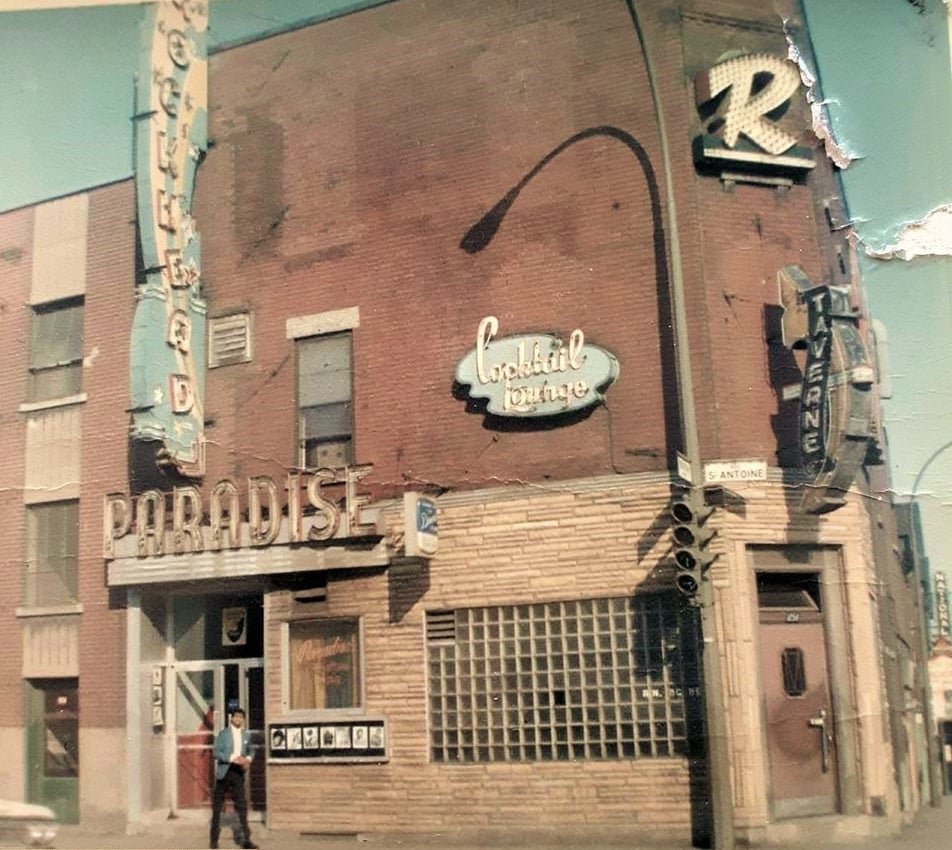
Rockhead’s Paradise
The world was awakening from the First World War and searching for hope in progress. Yet, for Black people, everyday life was defined by discrimination and restricted rights. Against this backdrop, jazz was transforming Montreal’s music scene, introducing new sounds and new names to the city. Imagine a club thick with smoke, laughter, and music. Patrons converse at tables while others lean over the balcony, watching the open stage below. People of different skin tones and backgrounds all gather under one roof, a true sanctuary where Black patrons could socialize freely and experience world-class entertainment without facing discrimination. Building such a sanctuary took far more than wishful thinking. It required the determination and unyielding dream of one man: Rufus Nathaniel Rockhead. Through his vision, Rockhead’s Paradise became a community cornerstone where Black audiences could gather, artists could perform, and nightlife could be enjoyed without barriers.
Rufus Rockhead was a Jamaican-born Black entrepreneur who immigrated to Canada, served in the First World War, and returned victorious in 1919. Settling in Montreal, he worked as a porter for the Canadian Pacific Railway. In 1927, he married his wife Elisabeth and opened a shoe-shine shop, saving his earnings until he could invest in a property in Little Burgundy in 1928. His target was an old red-brick hotel, which he was determined to transform into a welcoming haven for Black musicians. His dream was to open a venue free of discrimination where Black music could thrive and bring joy.
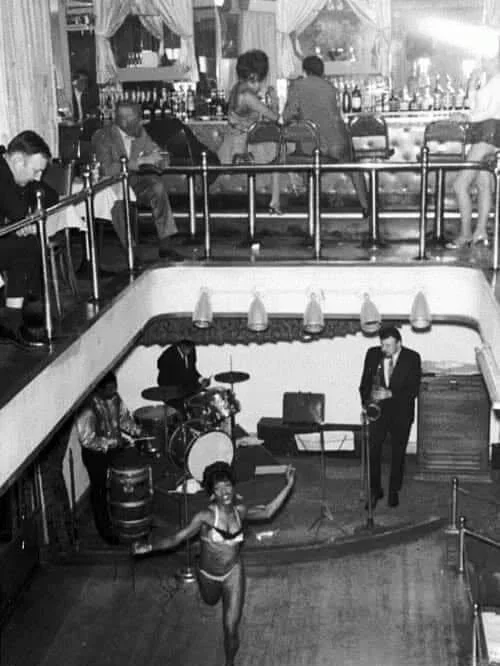
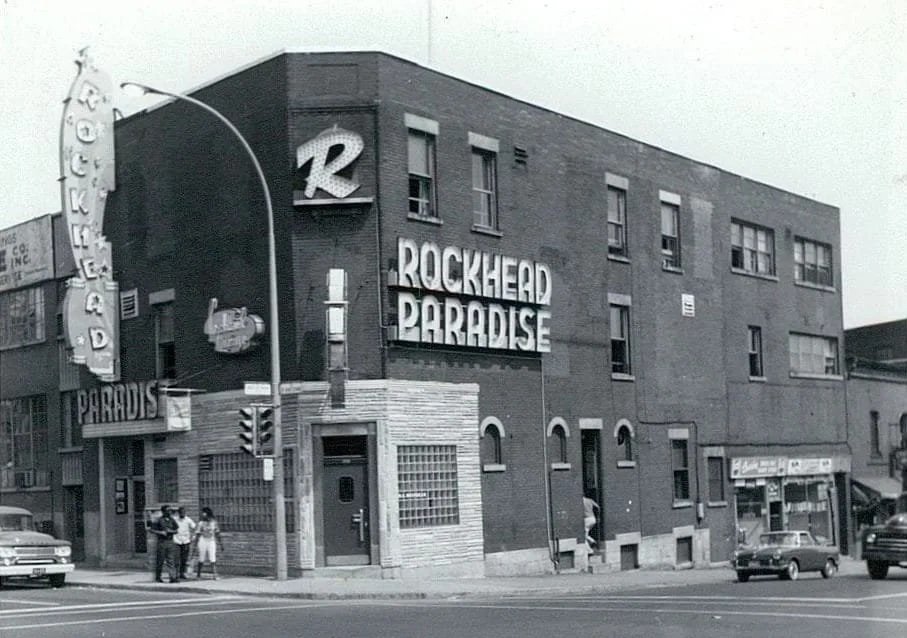
Opening a venue was an uphill battle. Even as a business owner, Rockhead faced intense institutional opposition while fighting to secure a liquor license. Through persistent effort, he finally obtained the license in the early 1930s. By 1935, his relentless work paid off as the venue expanded into a full cocktail lounge. The three-story establishment featured guest rooms for visiting artists on the upper floor, a main performance stage, and a ground-floor tavern. With this expansion, “Rockhead’s Paradise” officially launched as a registered club.
As the first Black-owned jazz club in Montreal, it rapidly grew into a regional epicenter for both emerging talent and world-famous musicians. The golden 1940s marked the club’s peak. Often dubbed the "Harlem of Montreal," its stage hosted legends like Louis Armstrong, Ella Fitzgerald, Redd Foxx, and Billie Holiday. World-renowned athletes such as heavyweight champion Joe Louis and members of the Harlem Globetrotters were also regular guests. The venue drew a vibrant mix of local Black residents, visiting tourists, and white Montrealers seeking top-tier nightlife.
Throughout the 1930s to the 1960s, social segregation meant that white-owned establishments enforced strict racial entry guidelines. Rockhead’s Paradise operated as an integrated, non-discriminatory space where everyone could mingle freely and safely. For neighborhood kids growing up in Little Burgundy, the club served as an informal music school, offering them a front-row seat to the magic of jazz.
Systemic pressure continued to target minority-owned businesses. Under the province's Padlock Law in the 1930s and 40s, Chinese, Jewish, and Black business owners faced relentless hostility. Following constant police surveillance, the club’s liquor license was revoked in the 1950s, forcing it to shutter. Unable to operate, the venue remained closed for years before finally reopening its doors in 1962. Rockhead’s Paradise adapted to changing musical landscapes, bringing in fresh bands and modern sound trends. In 1970, Rufus passed the torch to his son, Kenny, who steered the club toward the growing rhythms of soul, R&B, and funk.
In the mid-1970s, Rufus suffered a stroke, leading to the permanent closure of Rockhead’s Paradise in 1977. To honor his legacy, the City of Montreal named Rue Rufus-Rockhead in 1989. In 2024, Parks Canada designated Rufus Nathaniel Rockhead a Person of National Historic Significance.
The cultural legacy of Rockhead’s Paradise remains deeply woven into Montreal’s artistic DNA. Starting in the 1930s, the venue served as an incubator for local talent. Rockhead actively nurtured young Black artists, offering them an apprenticeship space where they could play alongside and learn from established legends. Montreal jazz icons, including pianists Oscar Peterson and Oliver Jones, drummer Norman Marshall Villeneuve, and saxophonist Harold “Steep” Wade, built the foundations of their early careers on that stage.
As one of Canada’s premier Black-owned cultural institutions, Rockhead’s Paradise proved that local ground-level spaces can shape the broader cultural history of a city. Rufus Rockhead’s triumph inspired a generation of Black entrepreneurs in Montreal to open their own venues, solidifying the city’s reputation as a North American jazz capital. Standing at the entrance with a warm smile for every guest, Rufus Rockhead didn't just run a nightspot, he built the home of Montreal jazz.
Rockhead’s Paradise
