
Open Doors to the Cirus
On Tuesday night on St. Denis, a little crowd lounged on the terrace, guitars unfurled, half talking and half focusing. Passersby stared or kept moving; Open Haüs, open mic, at Turbo Haüs, is hardly the strangest sight on the street. St Denis is one of the historic cultural centers of Montréal. Yet its changing shape has seen the closure of iconic bars, such as Saint-Sulpice, as chain restaurants emerge in their place, serving as a referendum on Montréal’s future. Famously, Turbo Haüs has itself faced noise complaints from at least 2023.
For Mike Hand who hosts Open Haüs, Montréal is still a special place, where the nightlife and music scene took him in as a college student, showed him a different kind of hospitality and a different way to live a grand life.
“There's always been a counterculture – there's got to be something to fight against if there's counter-anything. One thing I noticed is there's a spirit in this town where people will fight back, and there are still places for that to happen. This is the last place you can run away to join the circus – that's a joke.”
There’s only one rule at Open Haüs: no comedy. It’s mostly a crowd of fellow musicians at varying levels of intention, playing before a crowd of receptive, encouraging peers. Sometimes they stay for just their own, or their friend’s, set, but some regulars will enjoy the whole evening.
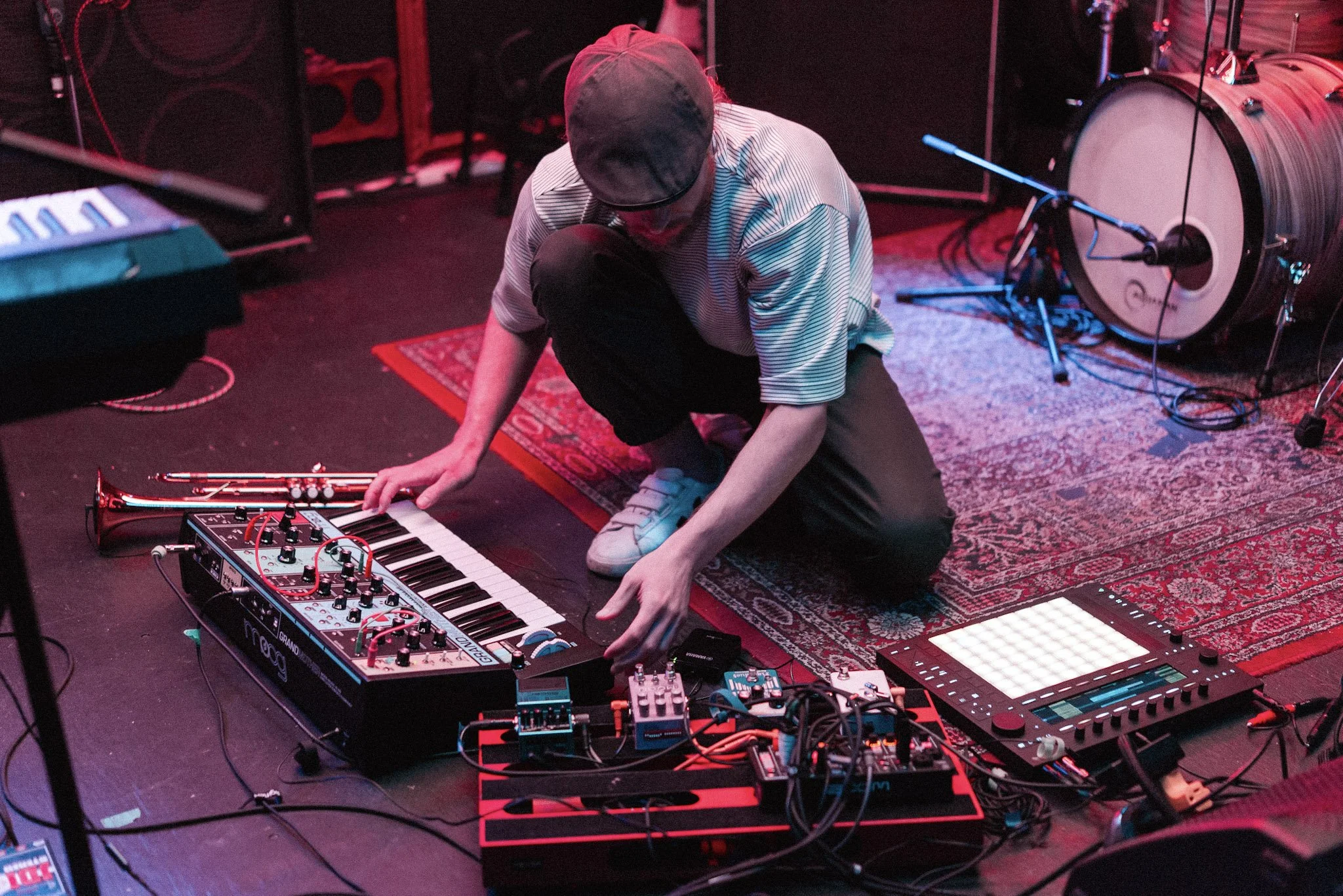
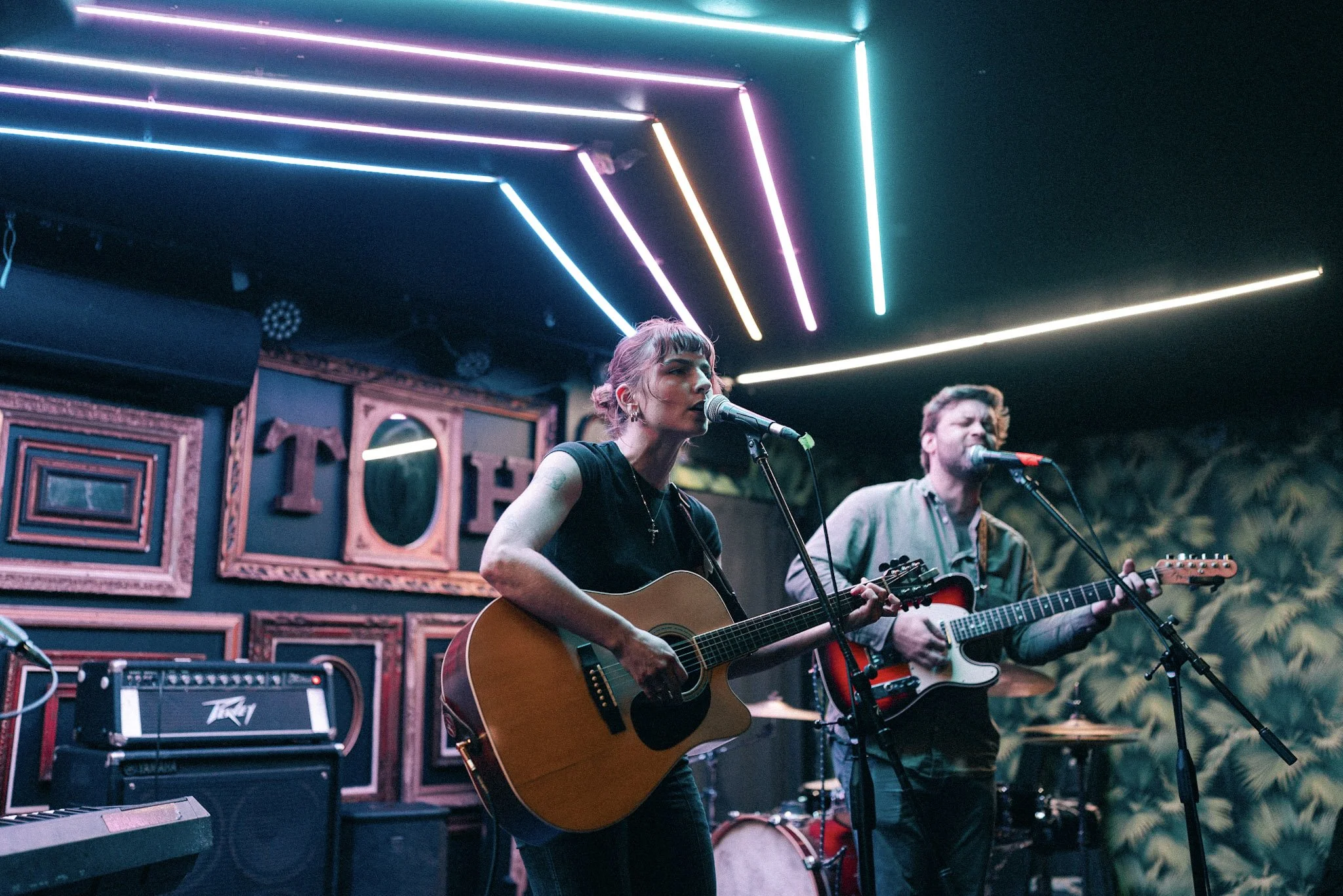
On the night, a succession of newcomers and regulars took the stage, ranging as far as Eric Morier’s tingle strings R&B, the dark acoustic pop of Camille Cailem, Josh Amar’s fat kazoo blues. Milosz Siebert took the stage, pulled out the keyboard and pedals to build up a pointillistic electro wave, cut through by a trumpet bleat. Mike announced that Milosz had just decided to go full-time as a musician and the crowd cheered. “There’s only one rule, No Comedy!” roared Mike.
Outside on the Turbo Haüs terrace, a few groups chatted, sprawled around. A mix of old friendships and first meetings, a few trying their guitar lines in anticipation of performing, many more lounging with a glass in the hazy summer evening. A good few were simply happy to drink, chat, and enjoy, sans the complication of performing.
Open Haüs was first the longtime project of musician Lea Keeley; her departure did change the scene, with some regulars leaving and a new cast of musicians beginning to emerge. Sometimes the transience of community isn’t noticed in its moment of quotidian sublime, until it disappears, one personality at a time. Open Haüs has regulars, but at times it feels like a waystation rather than a home.
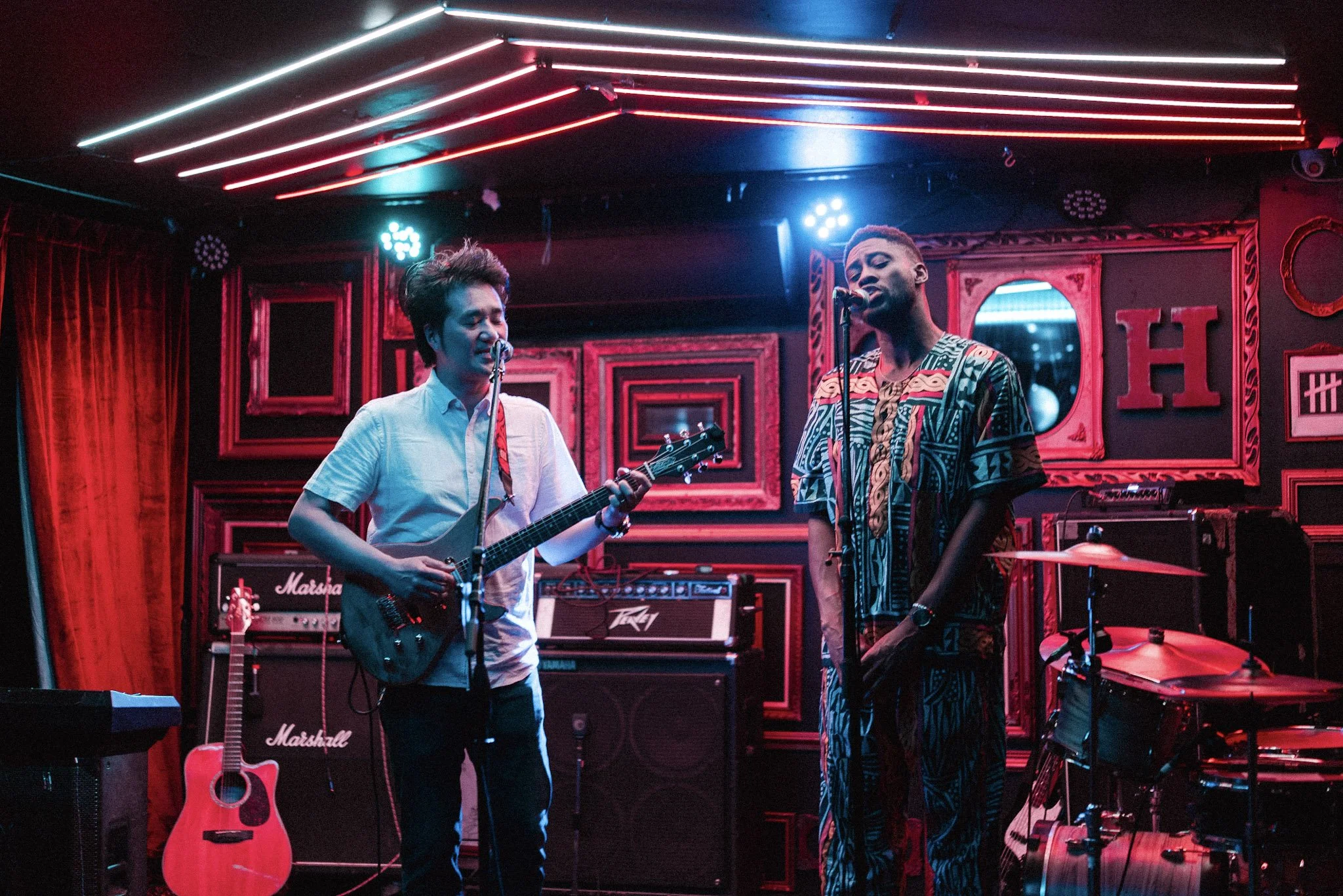
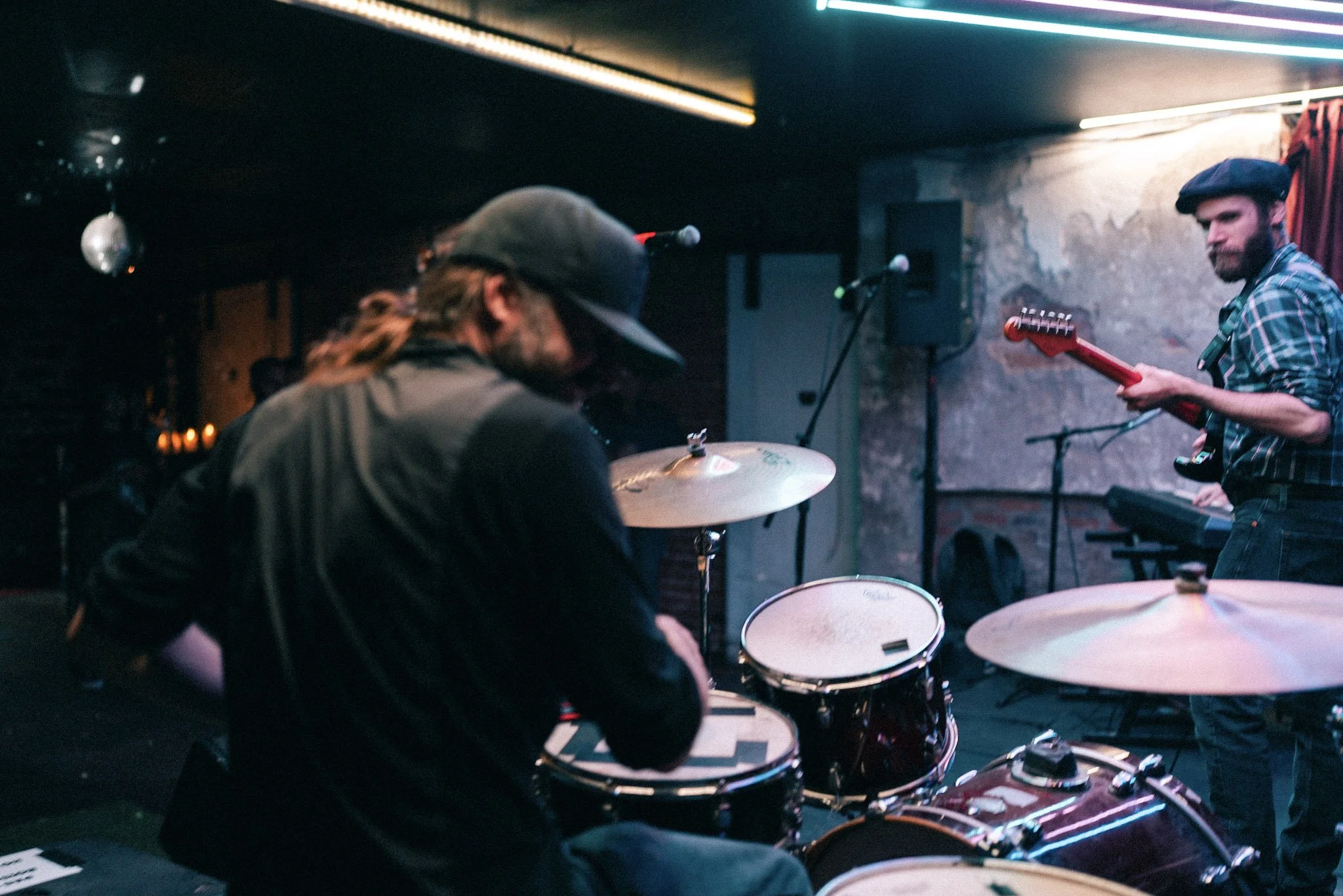
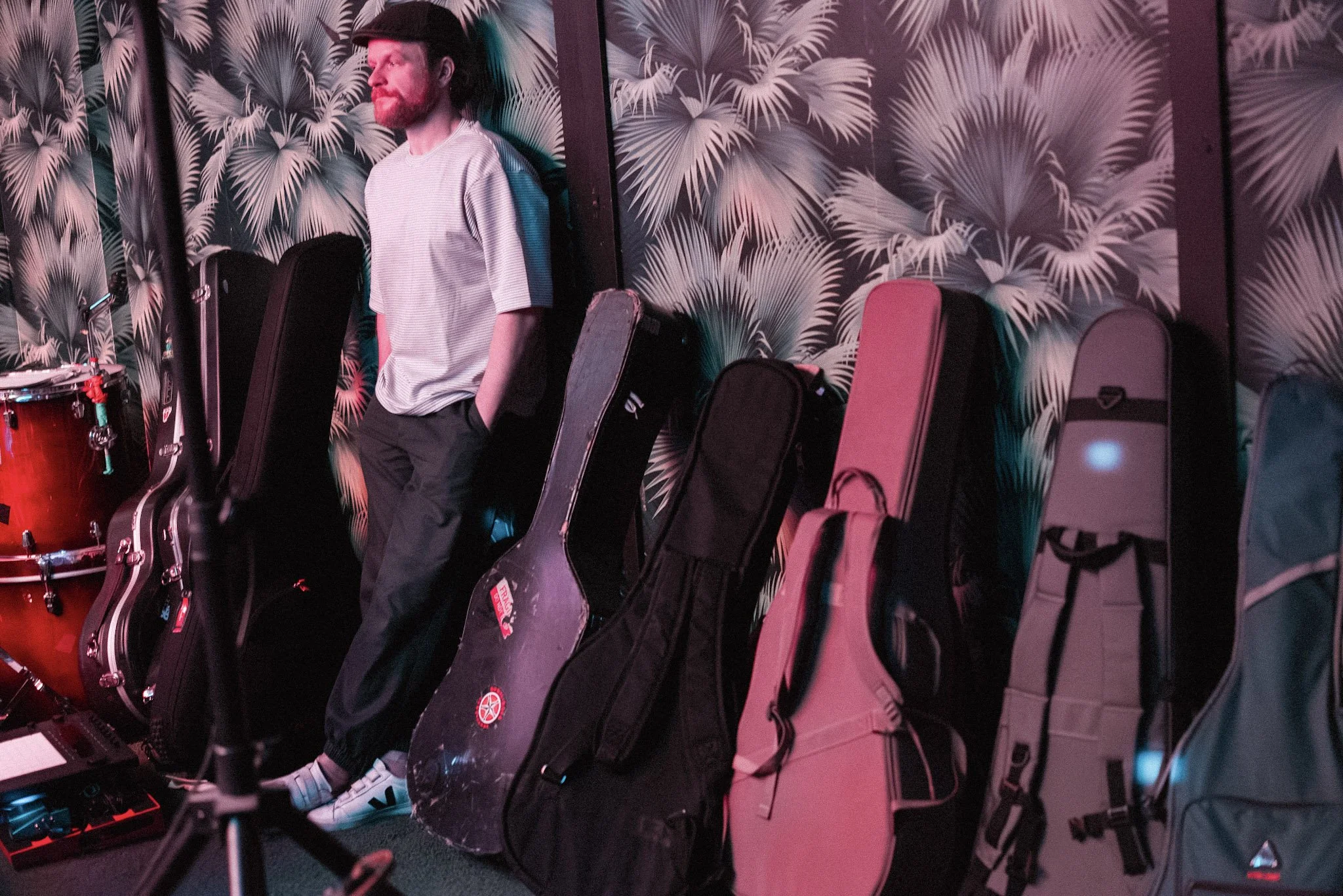
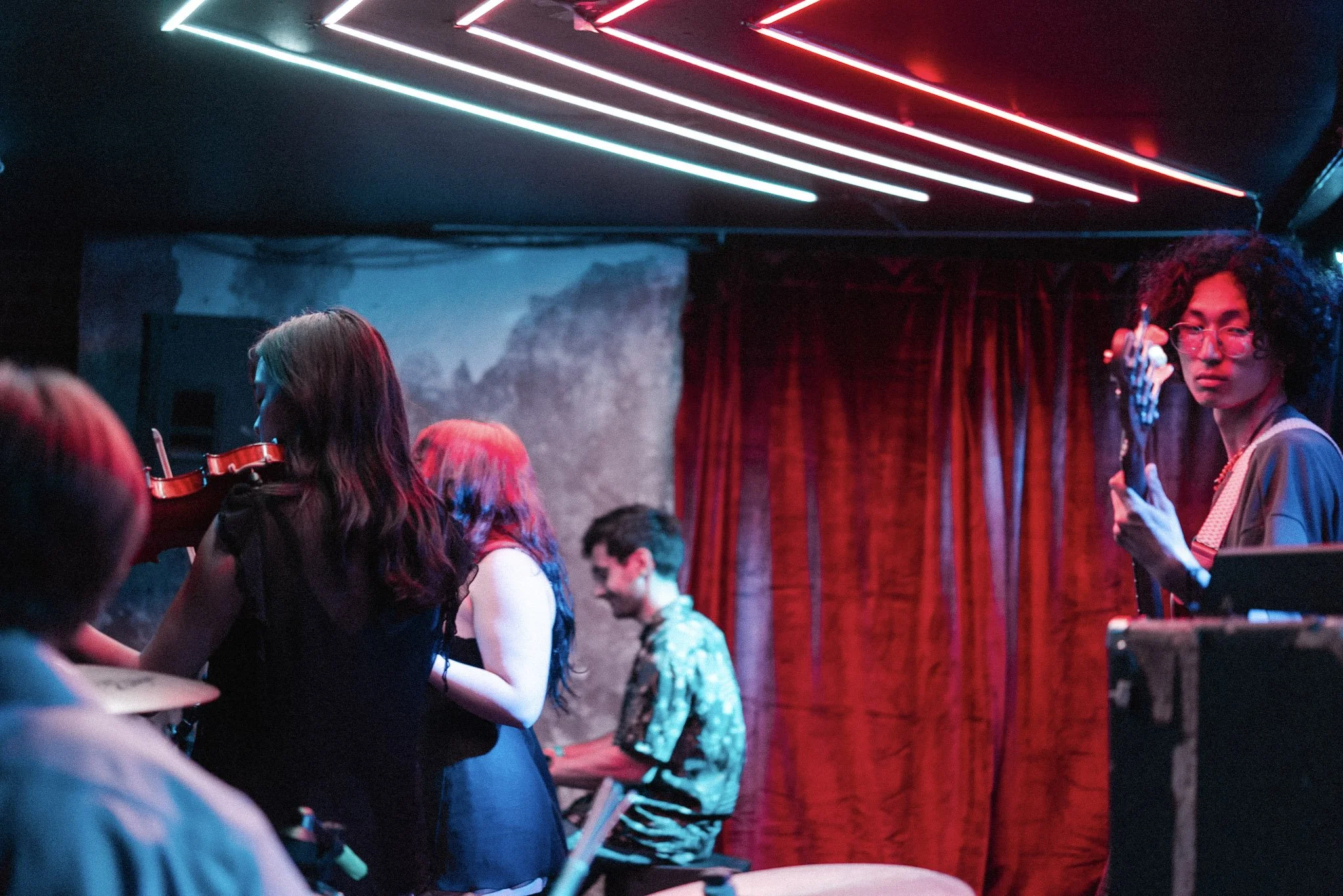
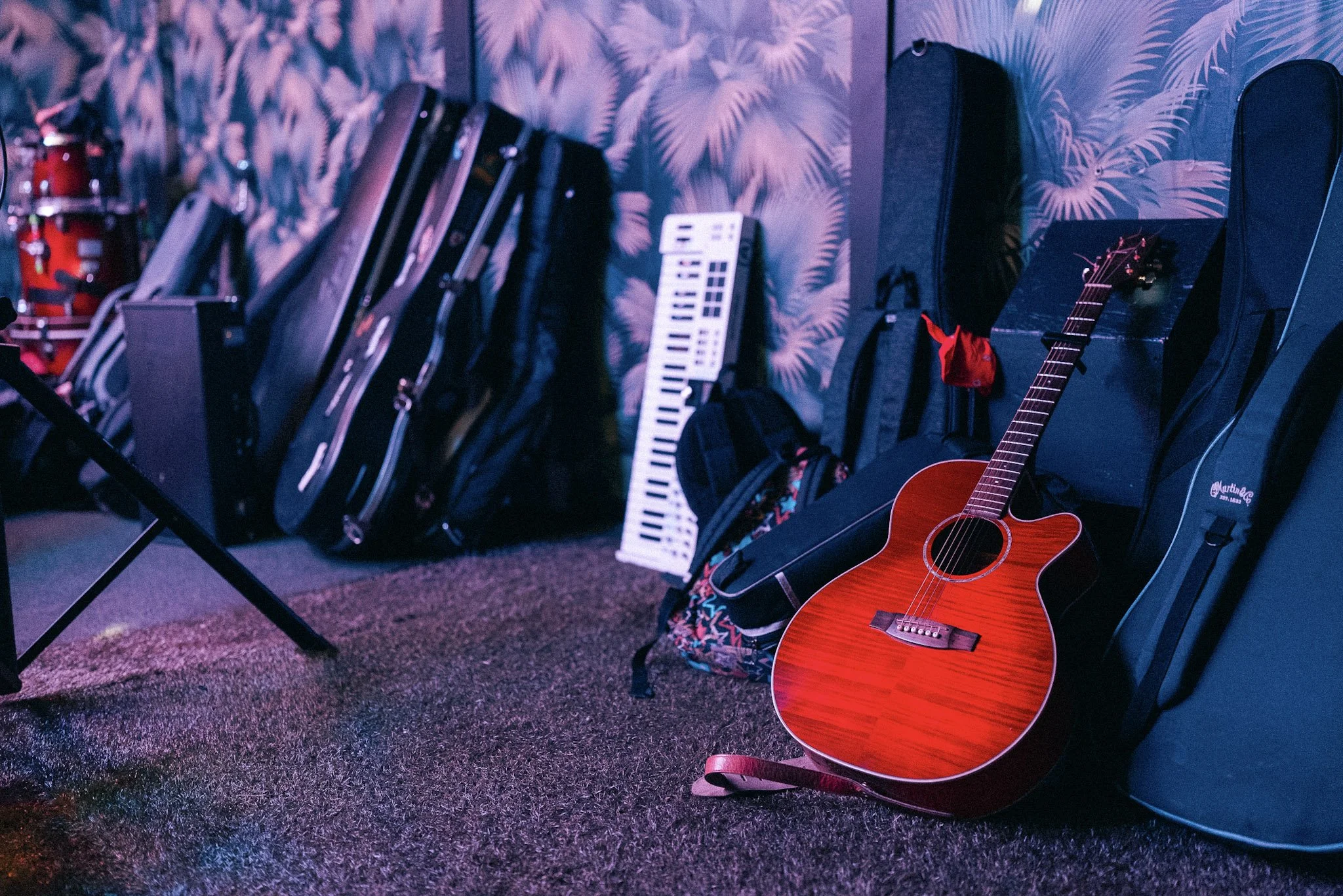
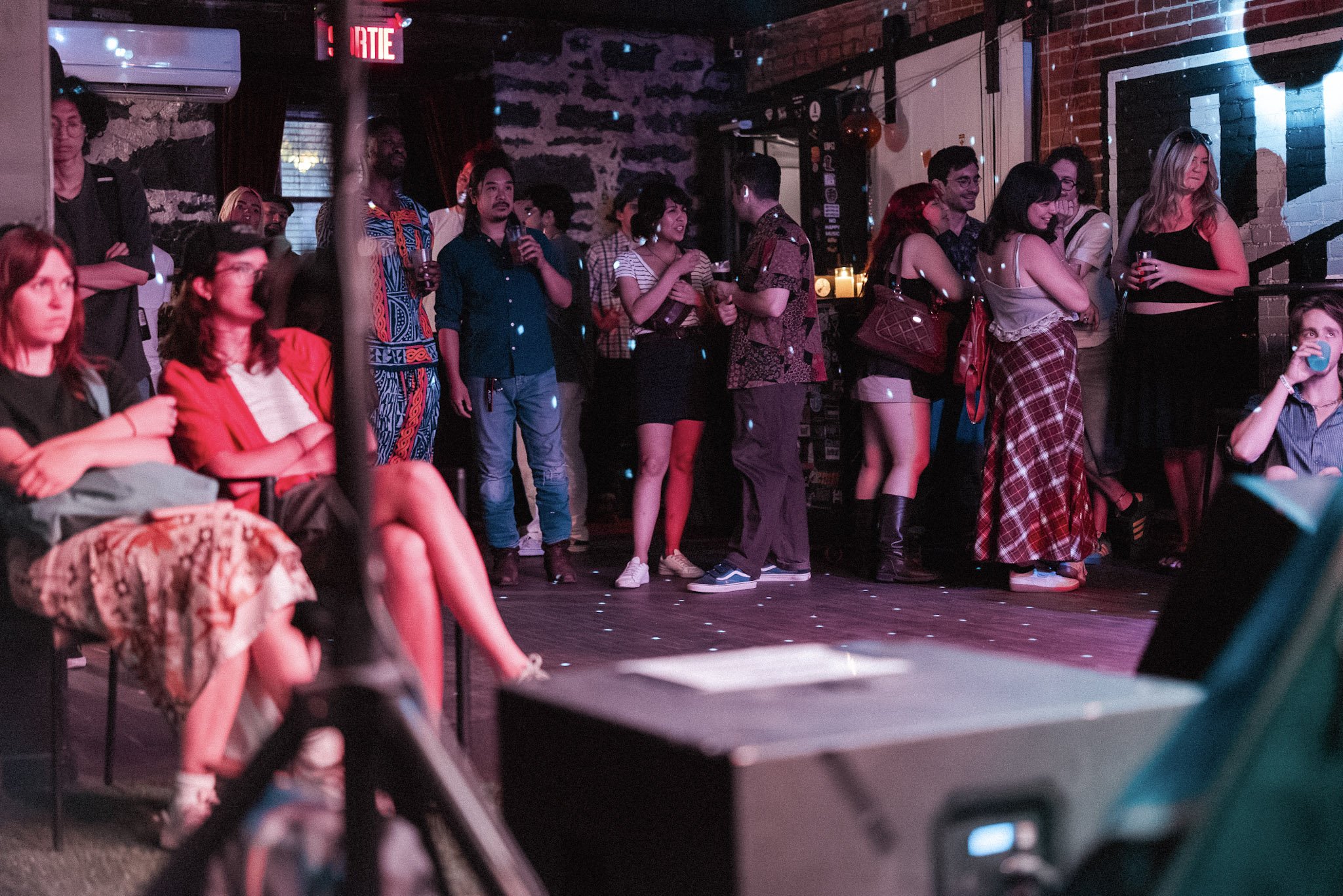
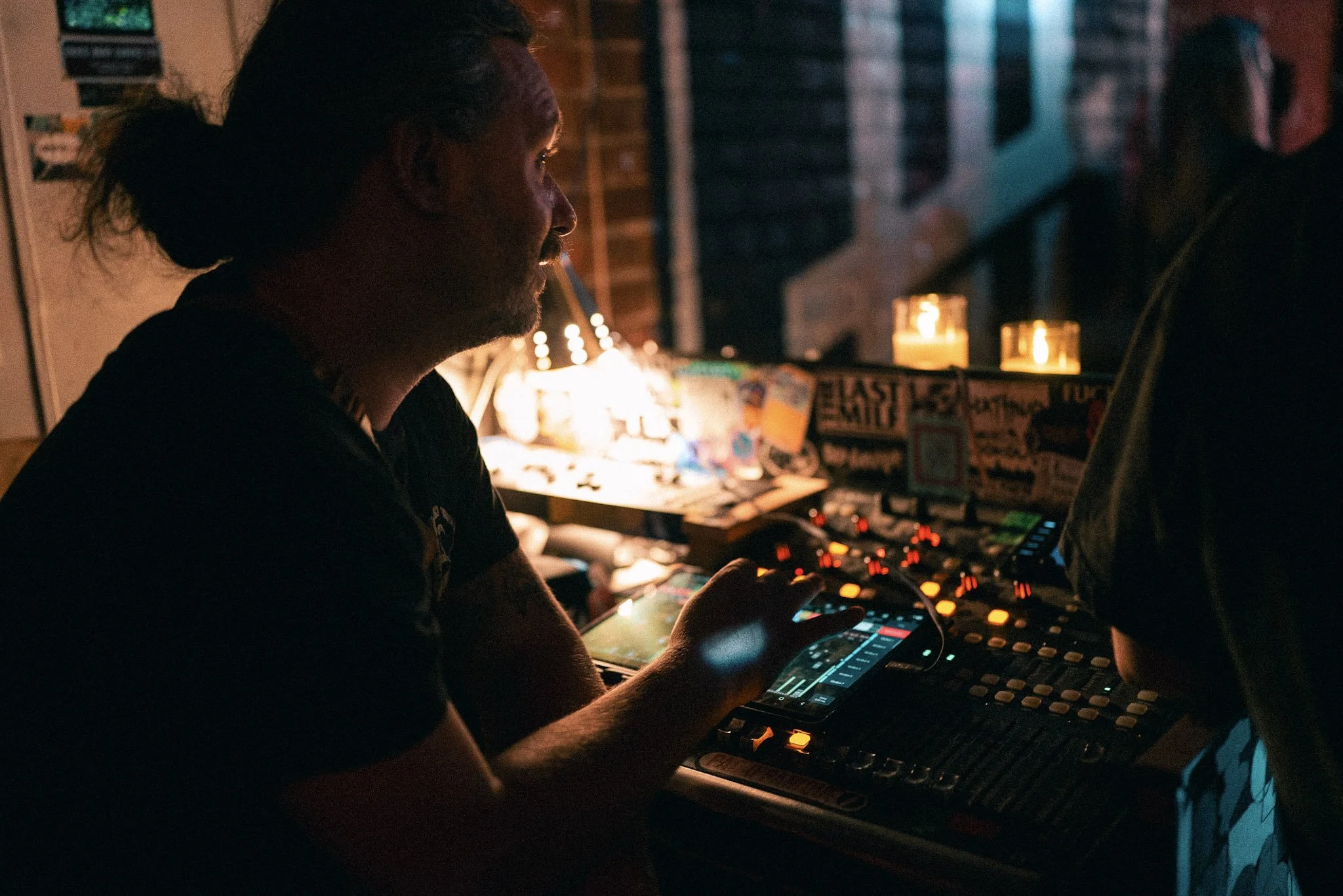
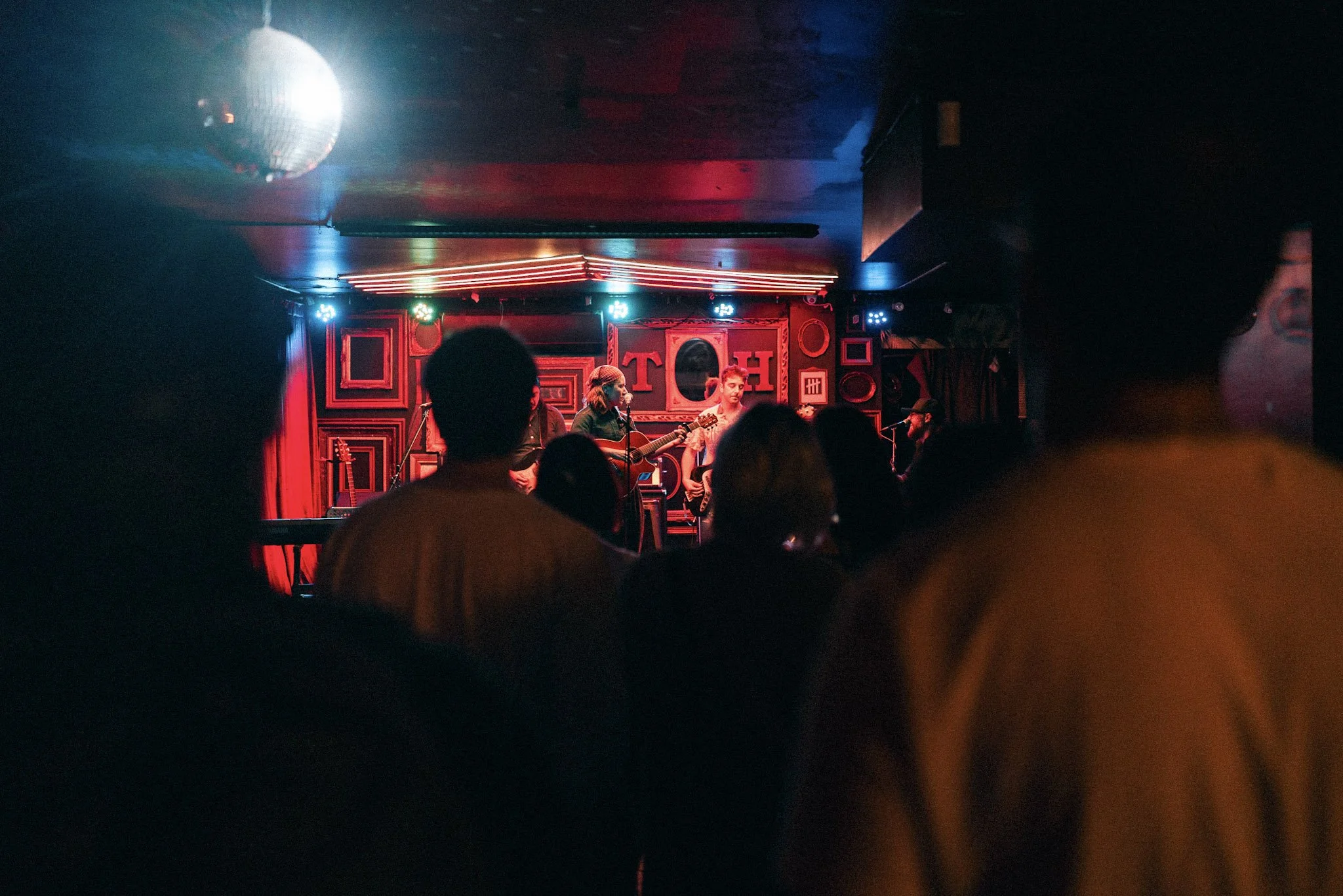
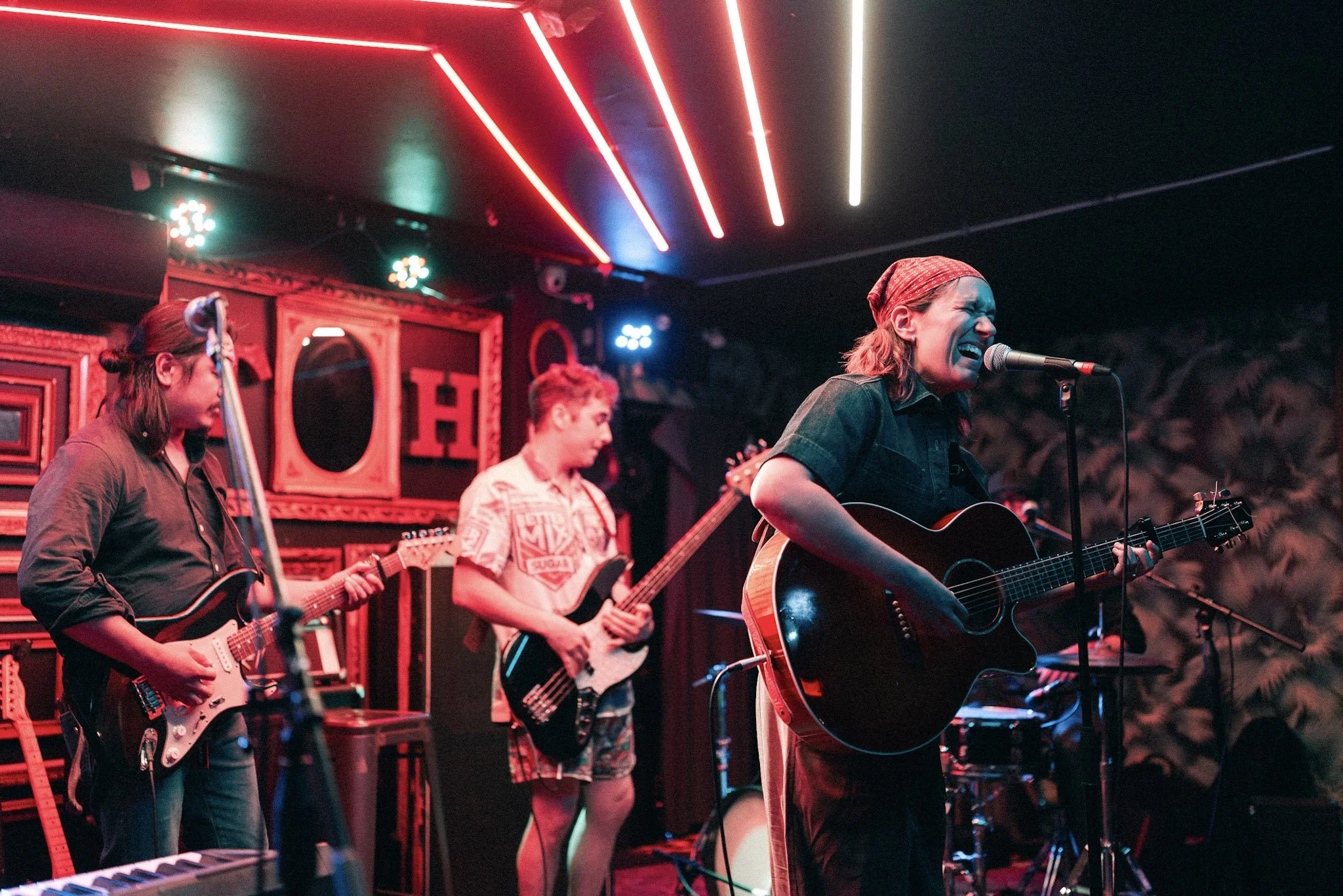
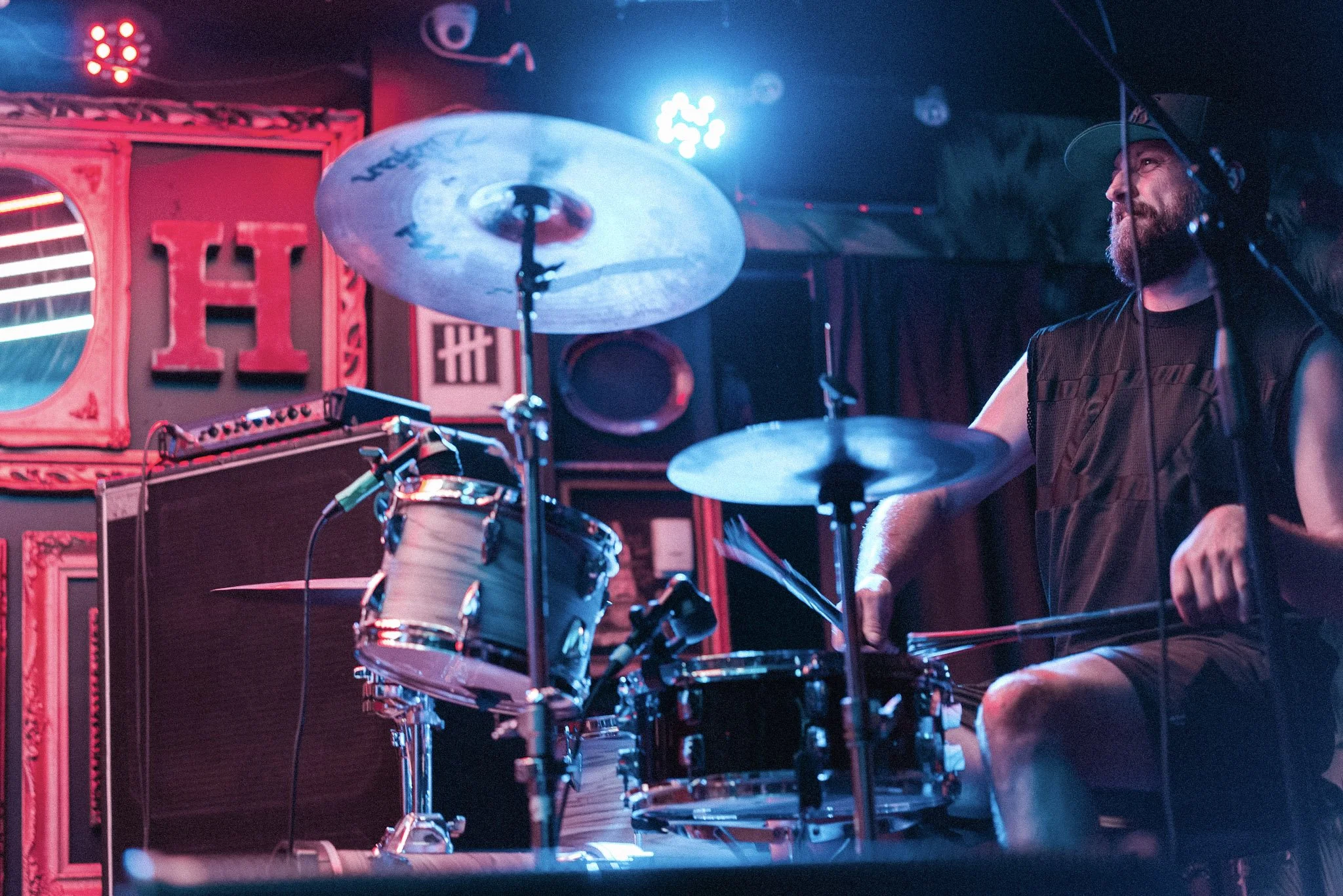
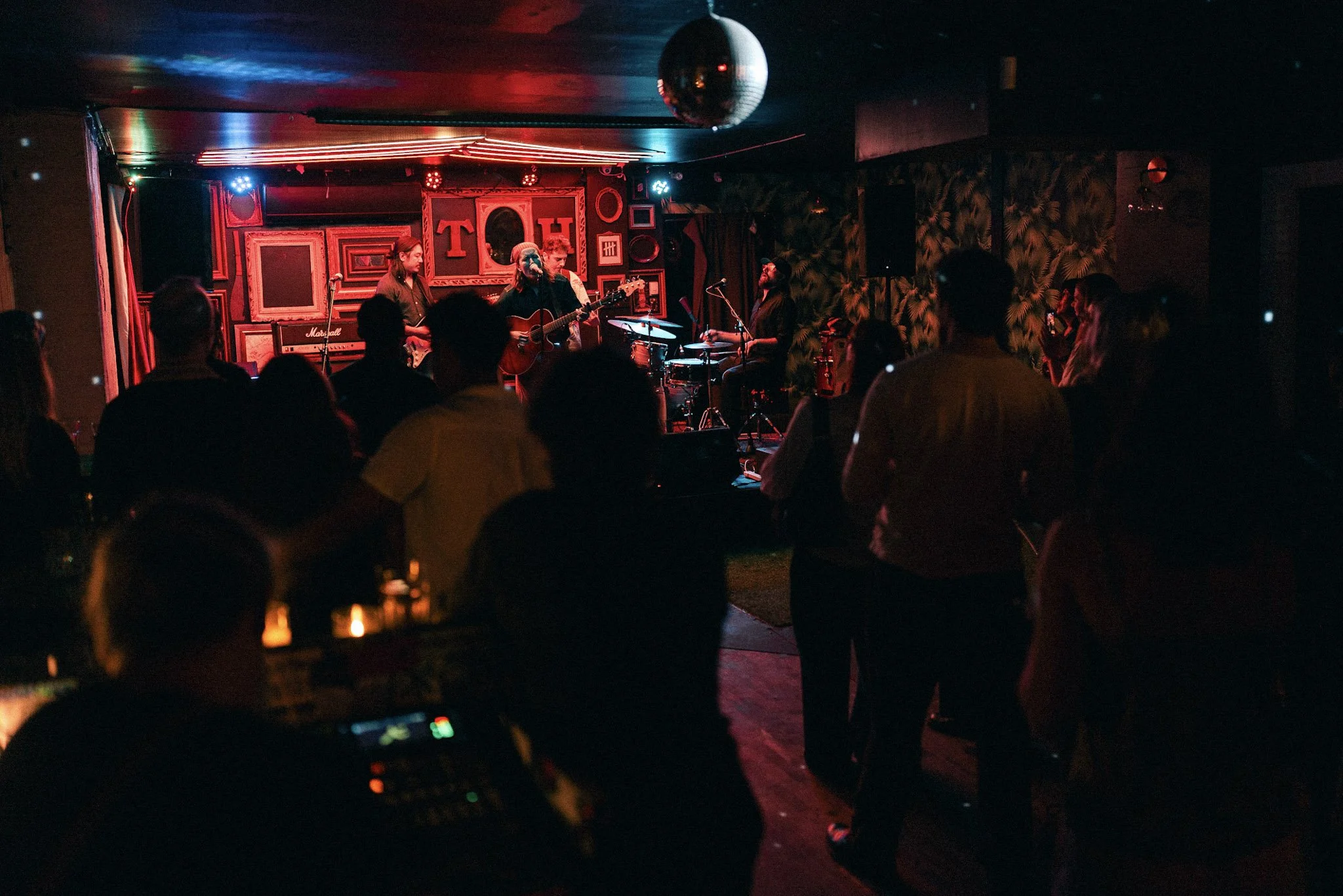
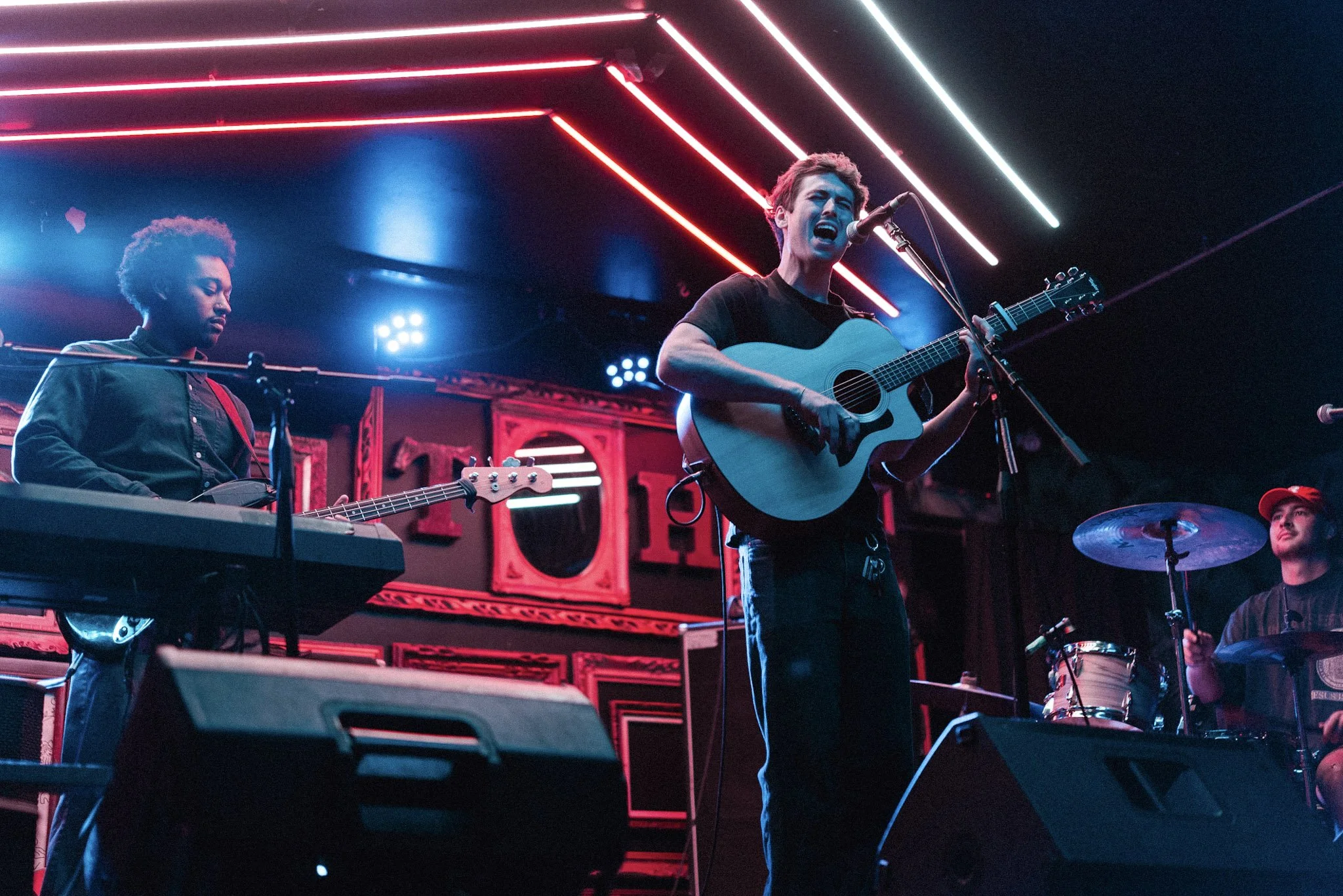
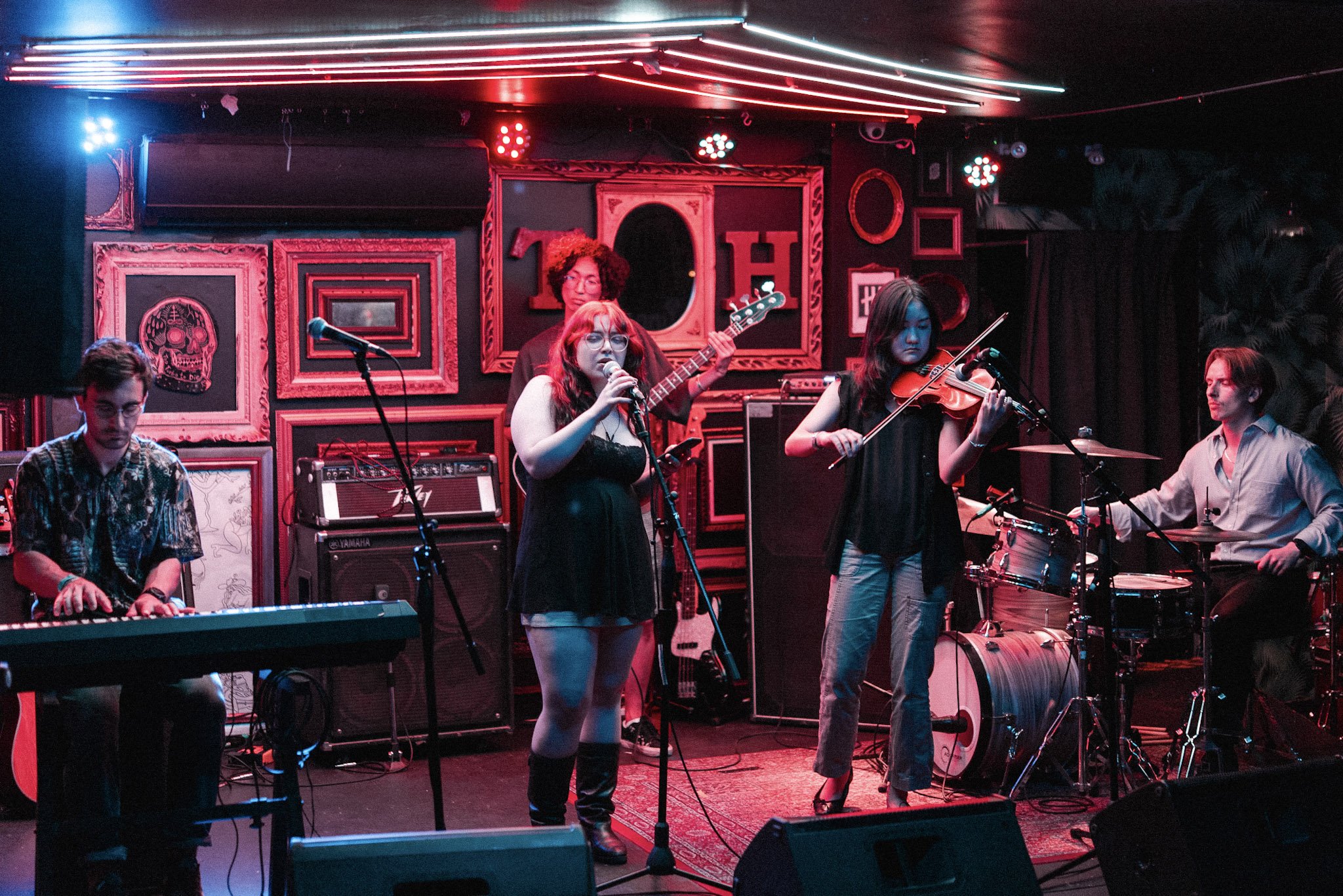
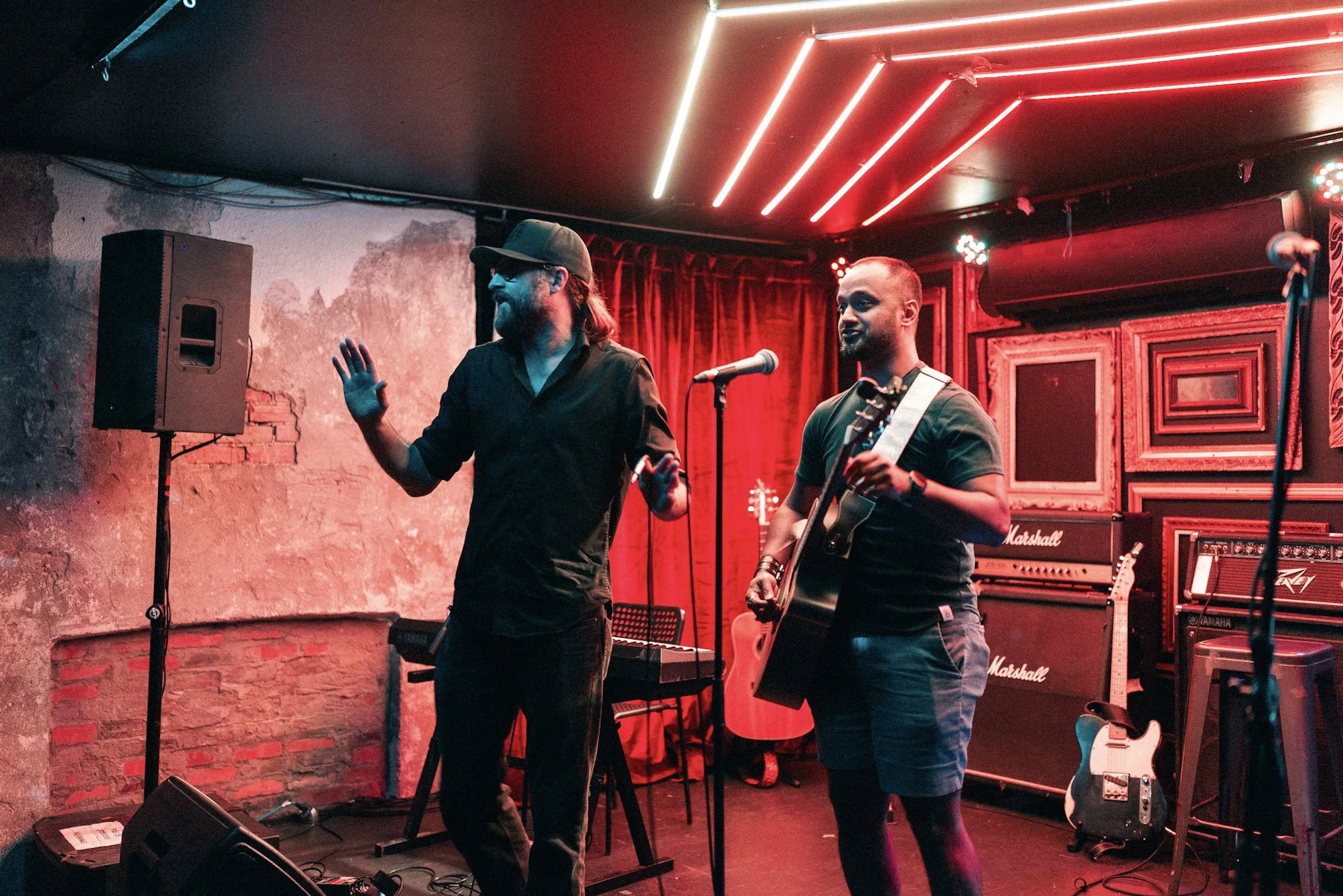
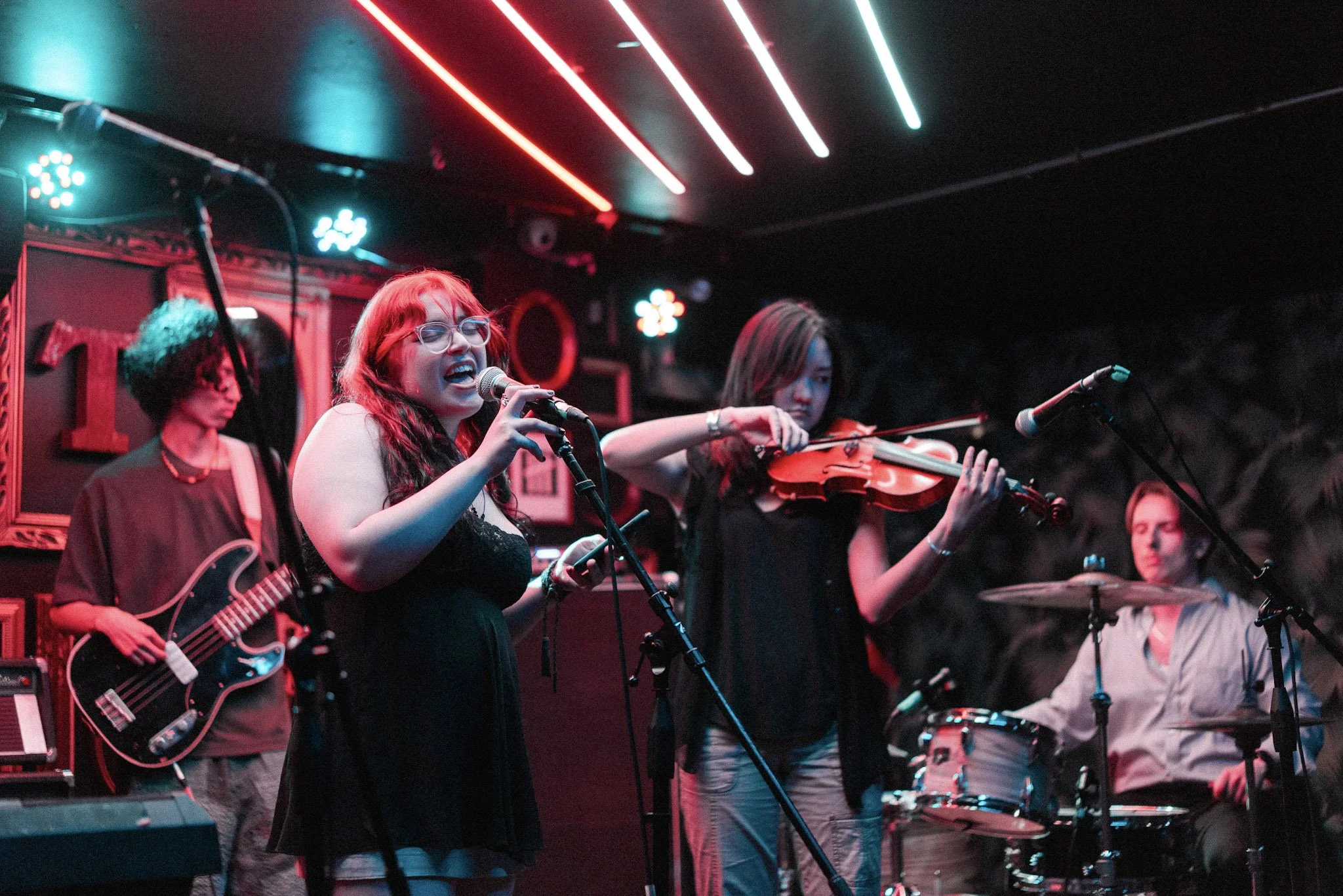
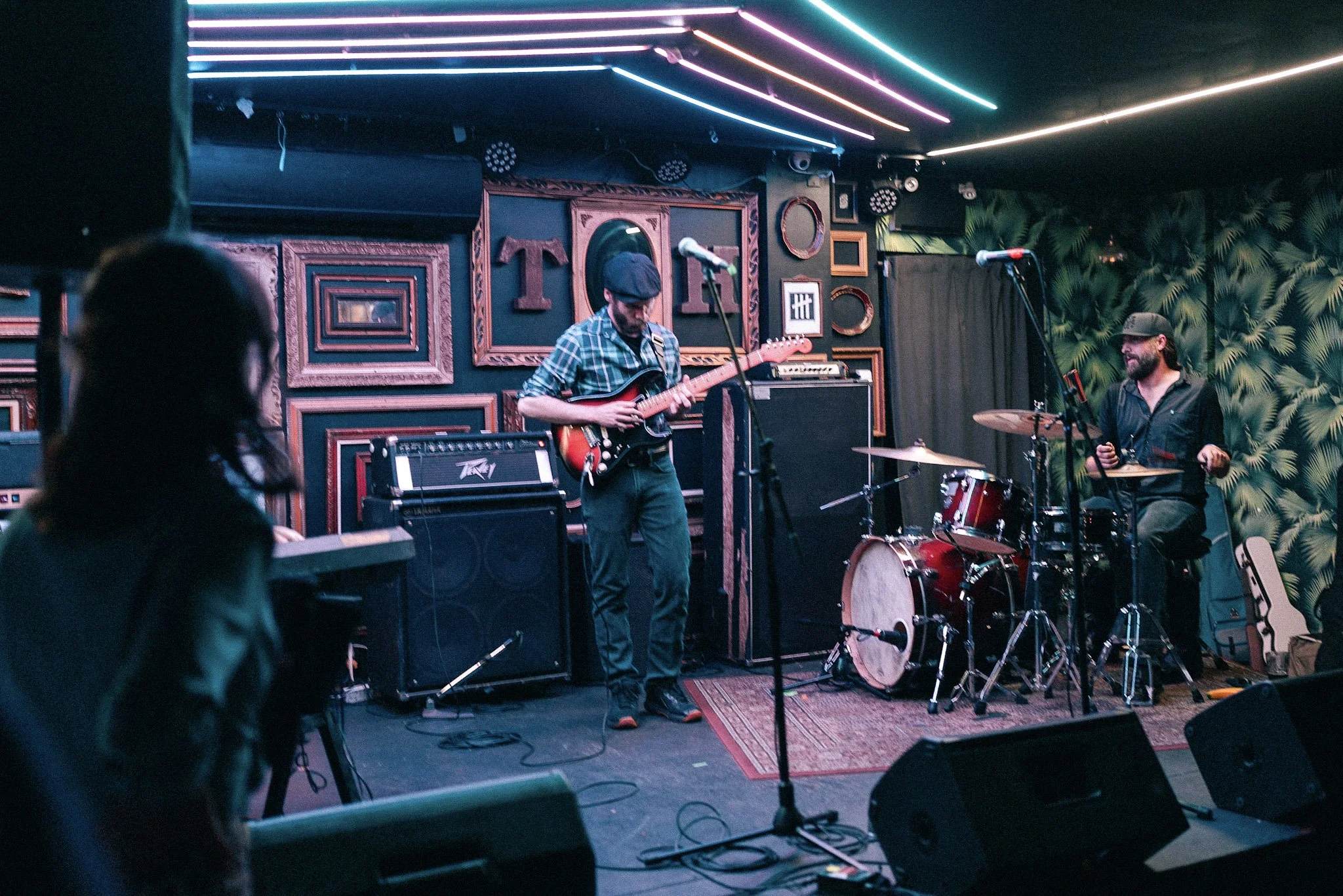
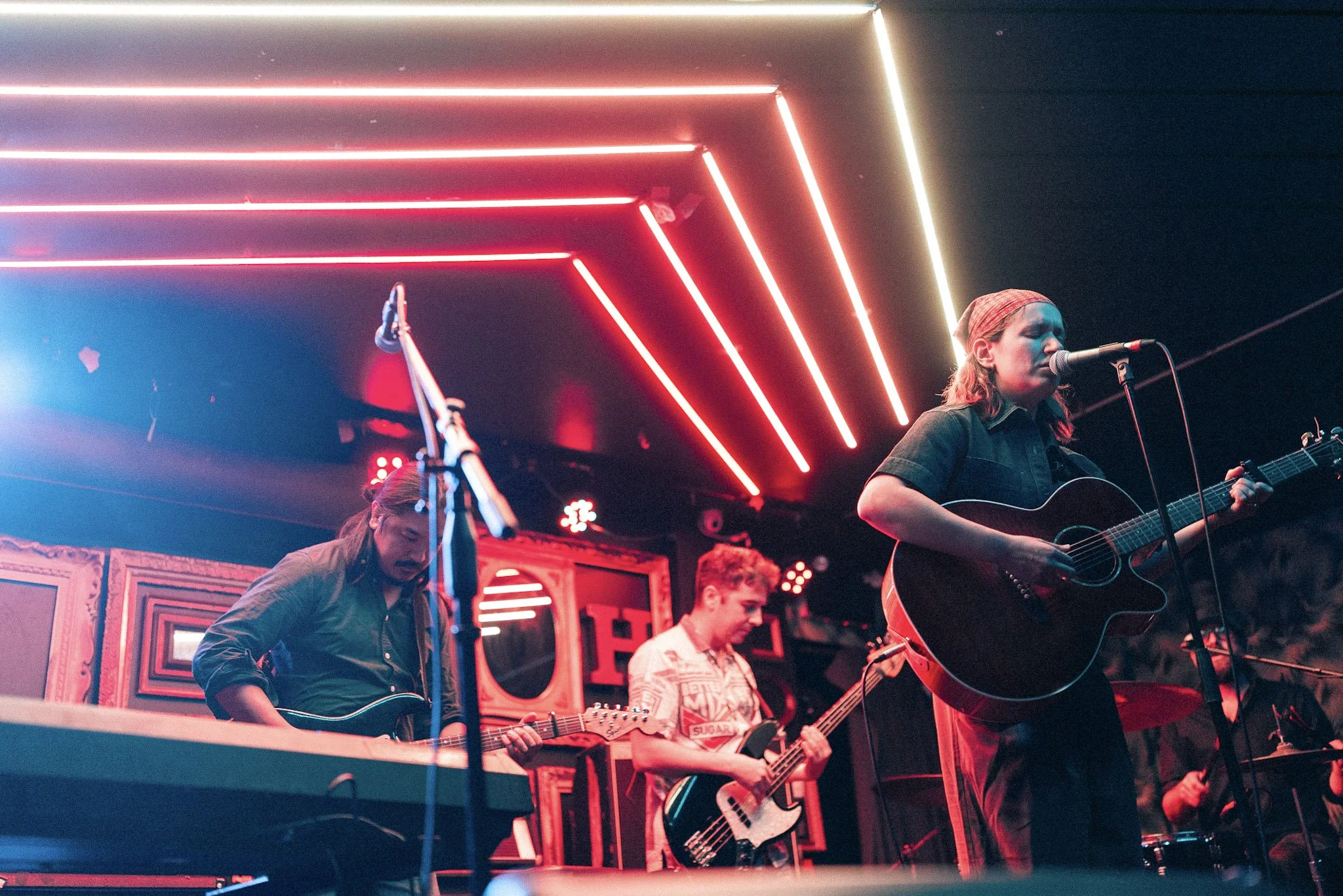
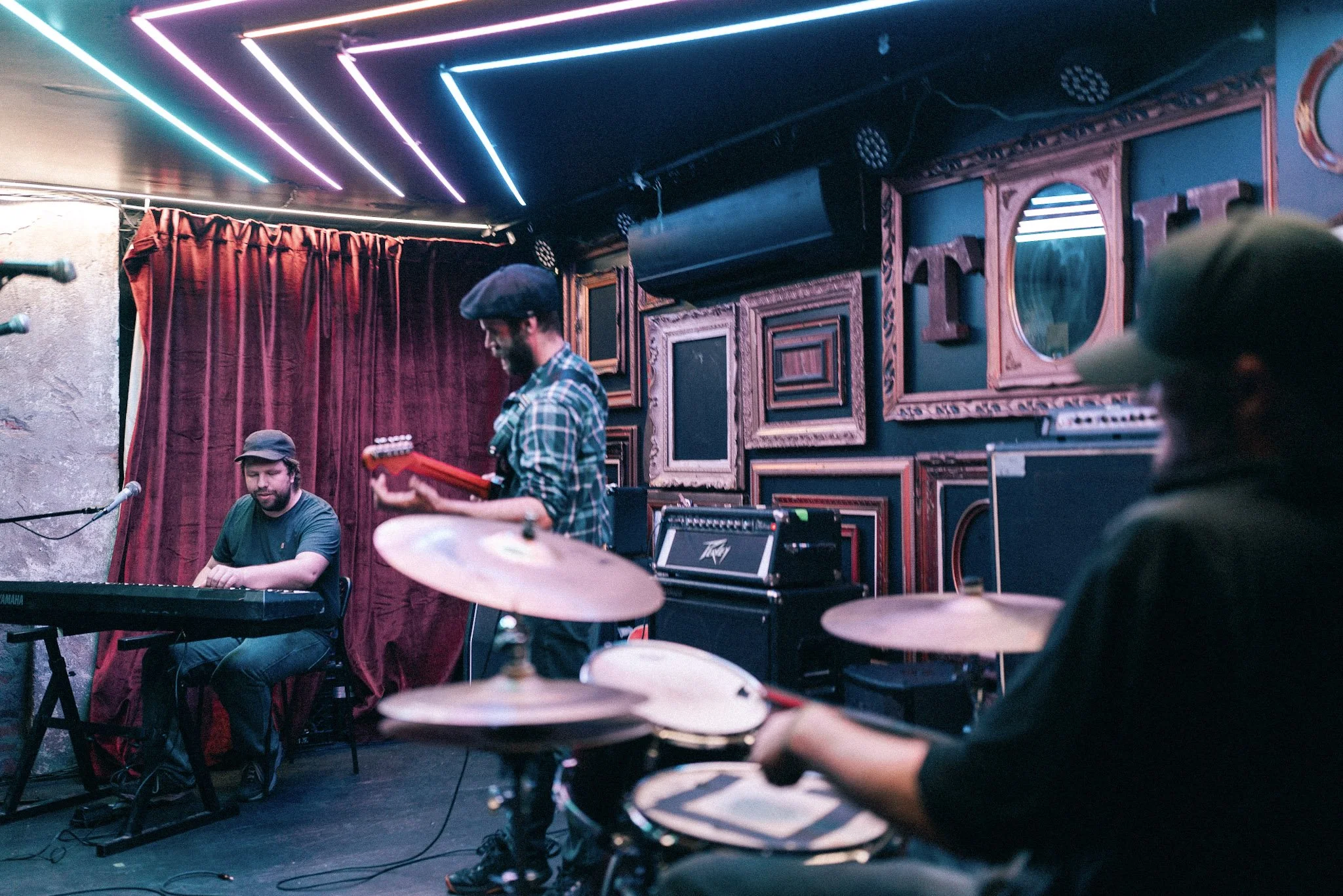
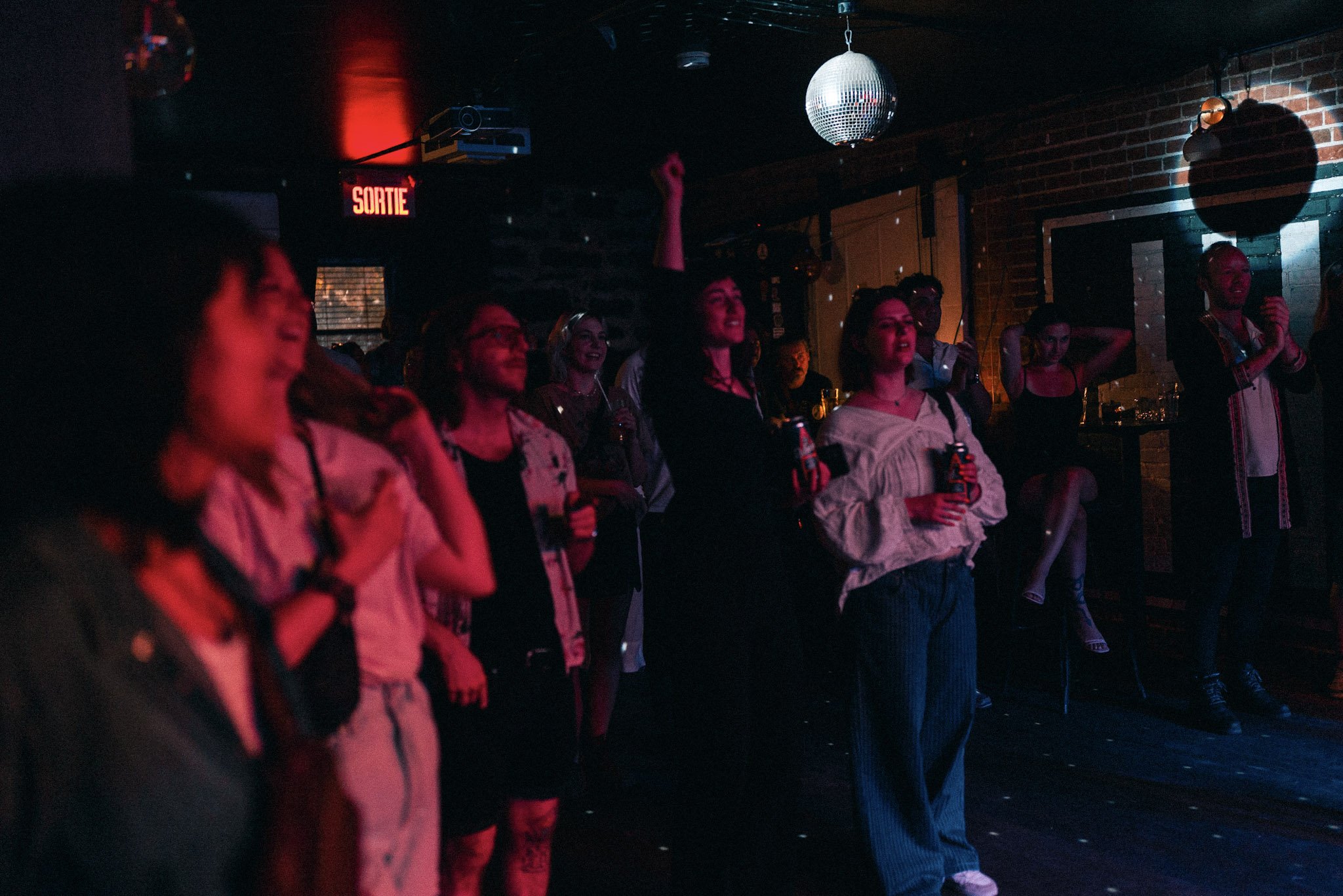
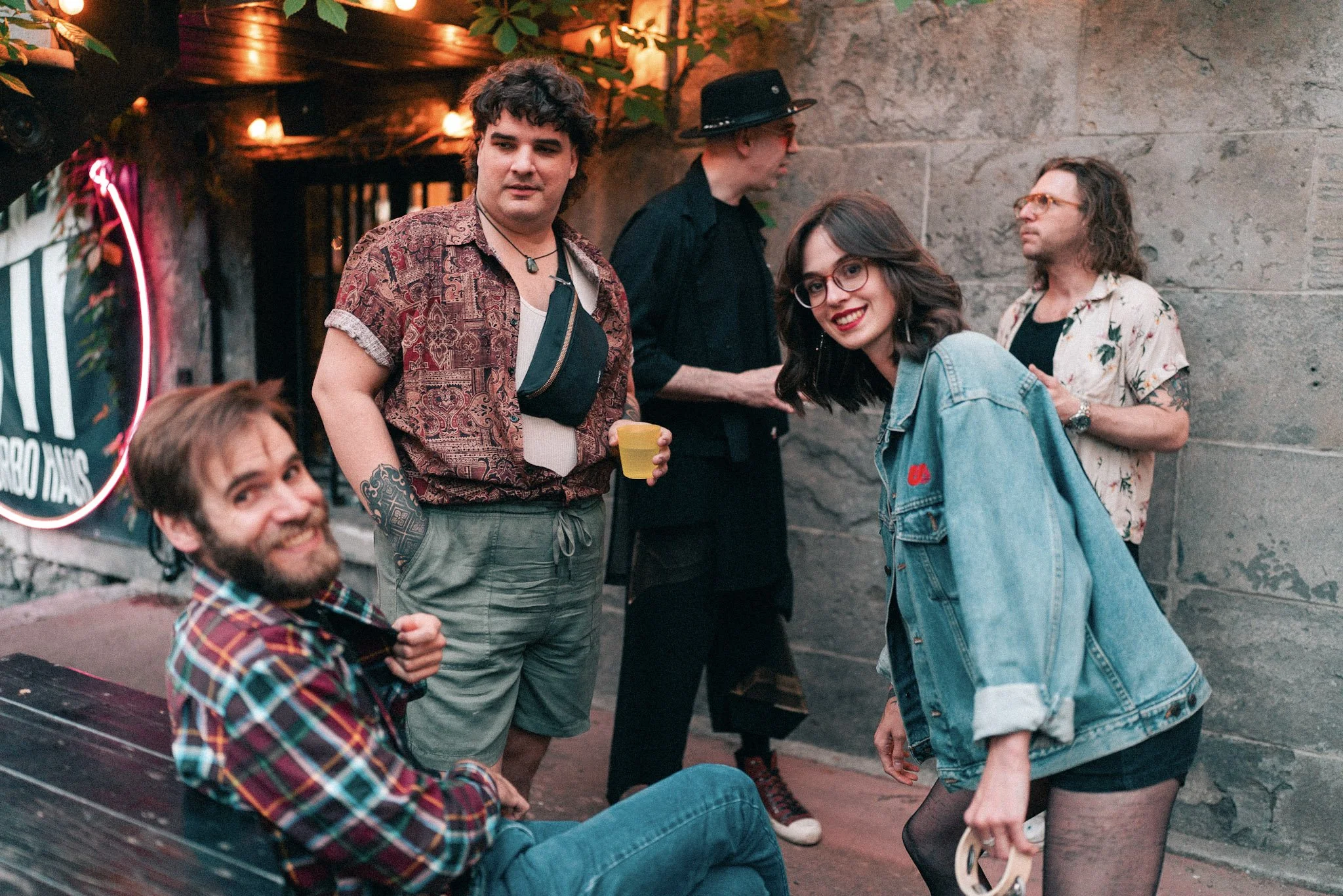
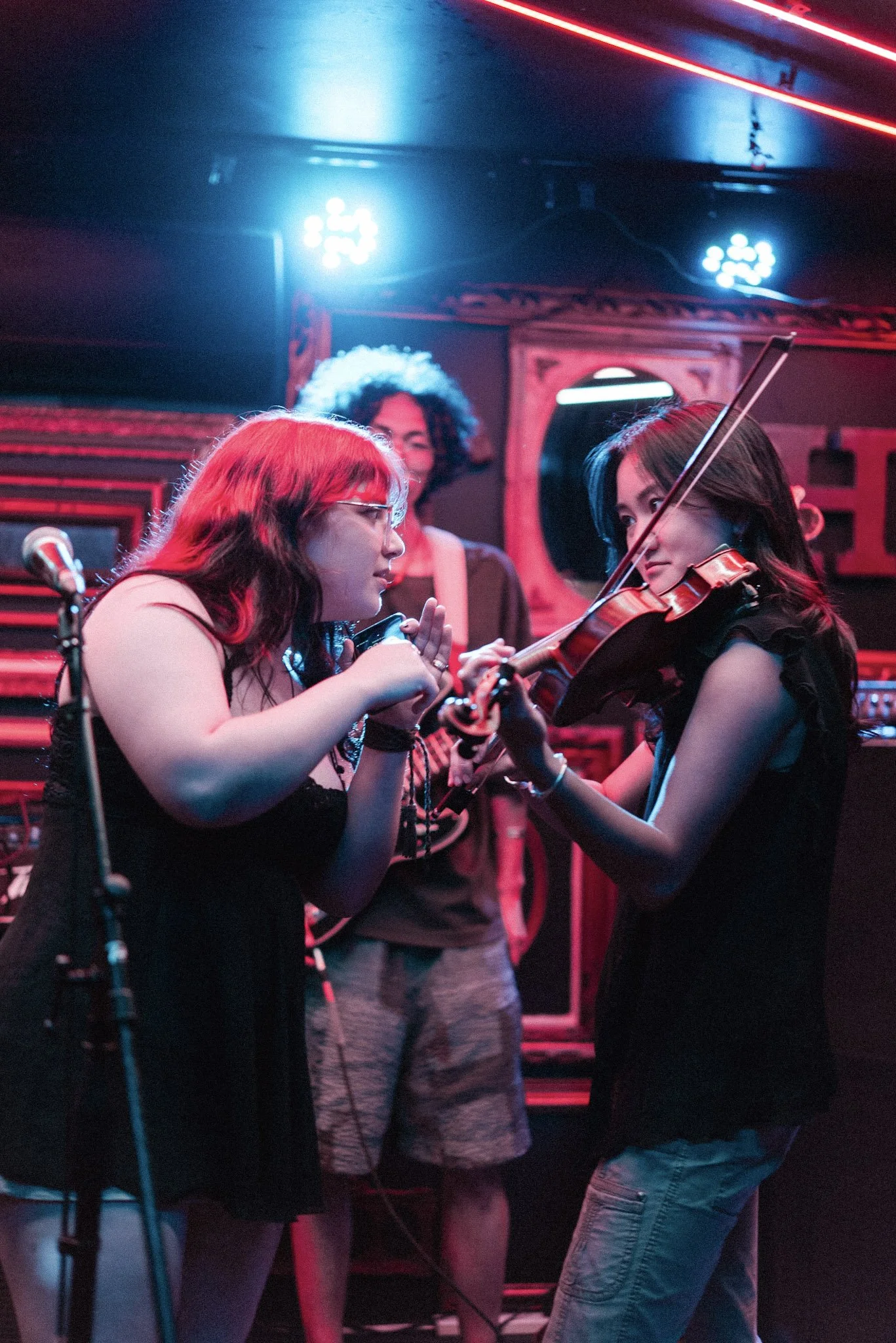
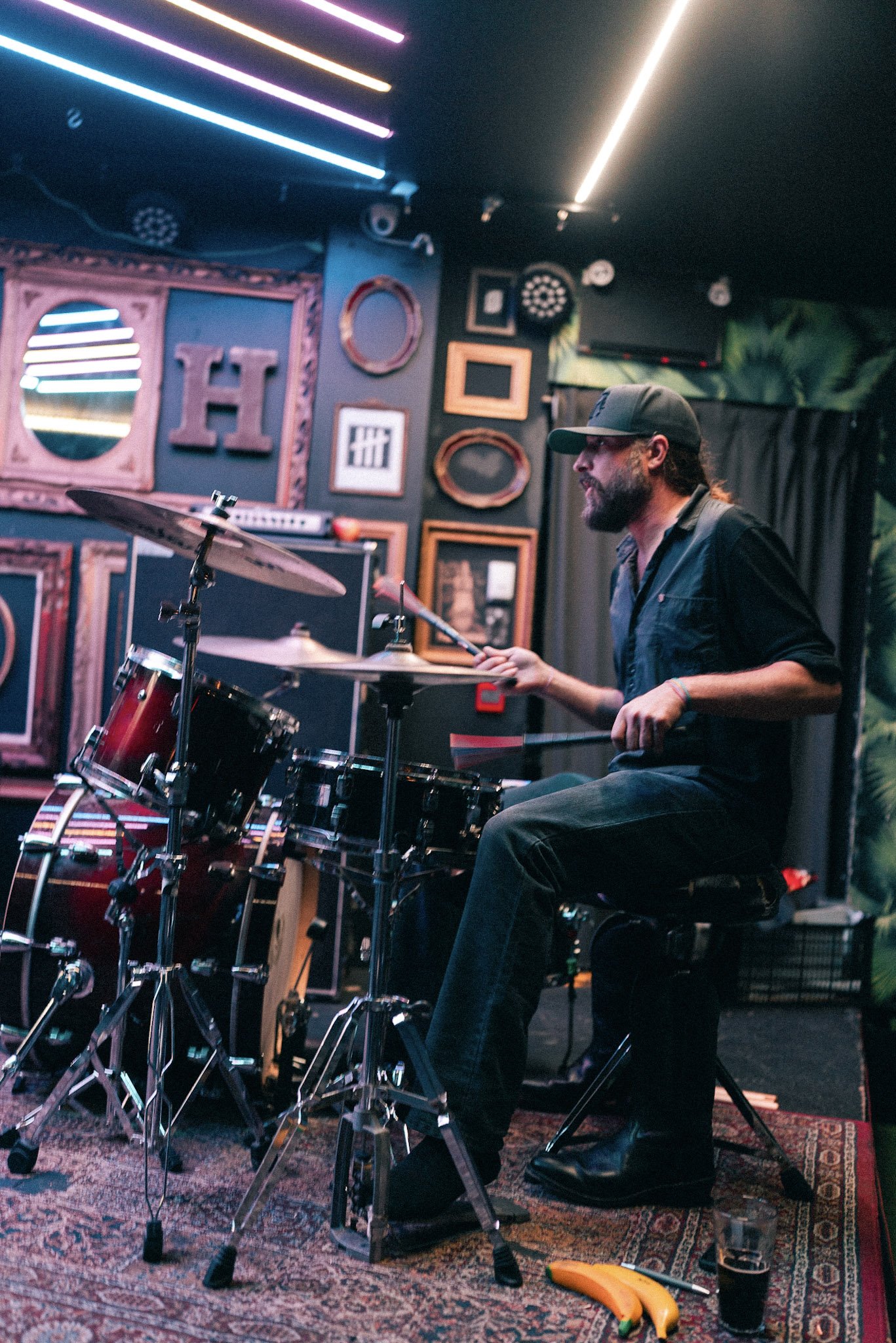
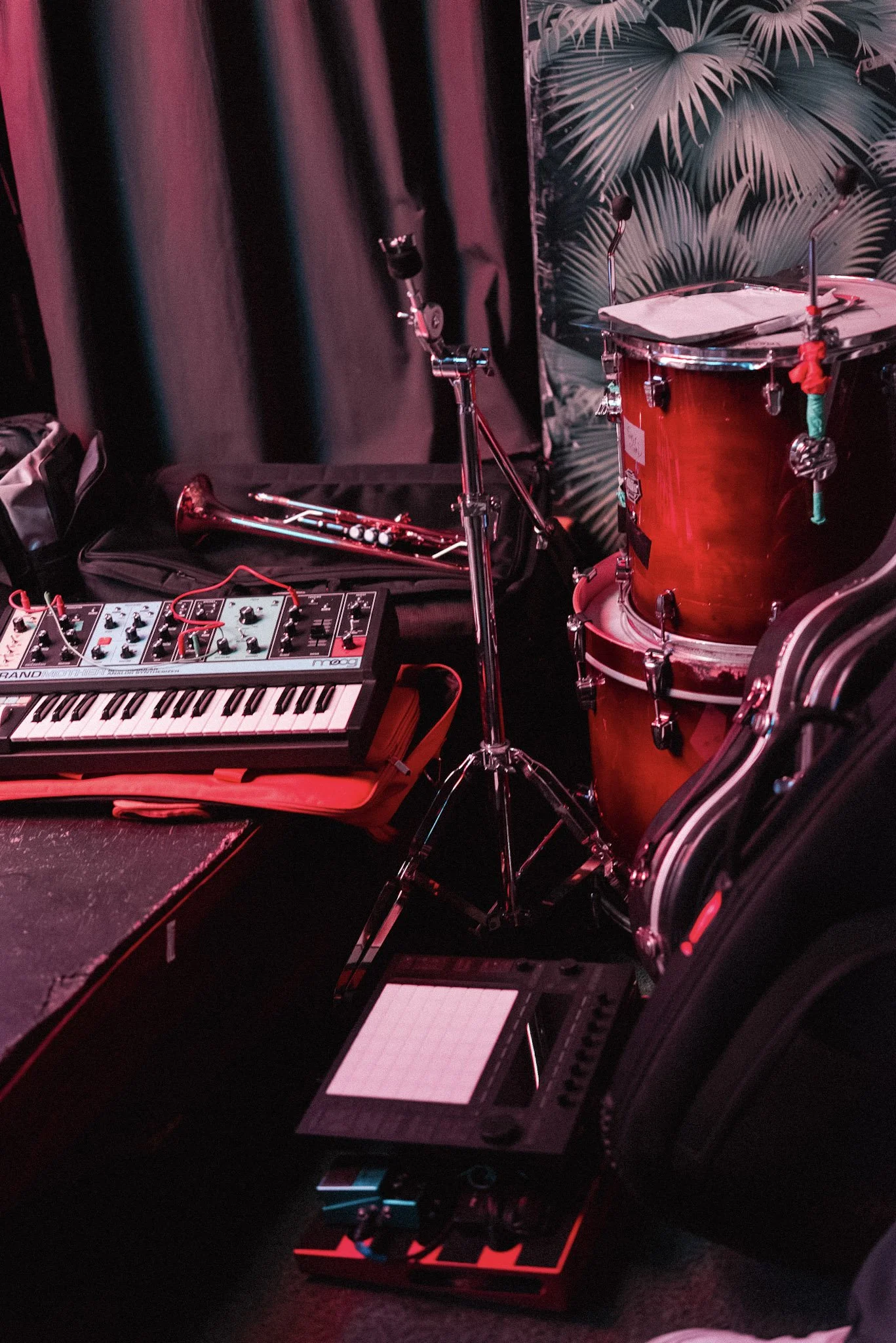
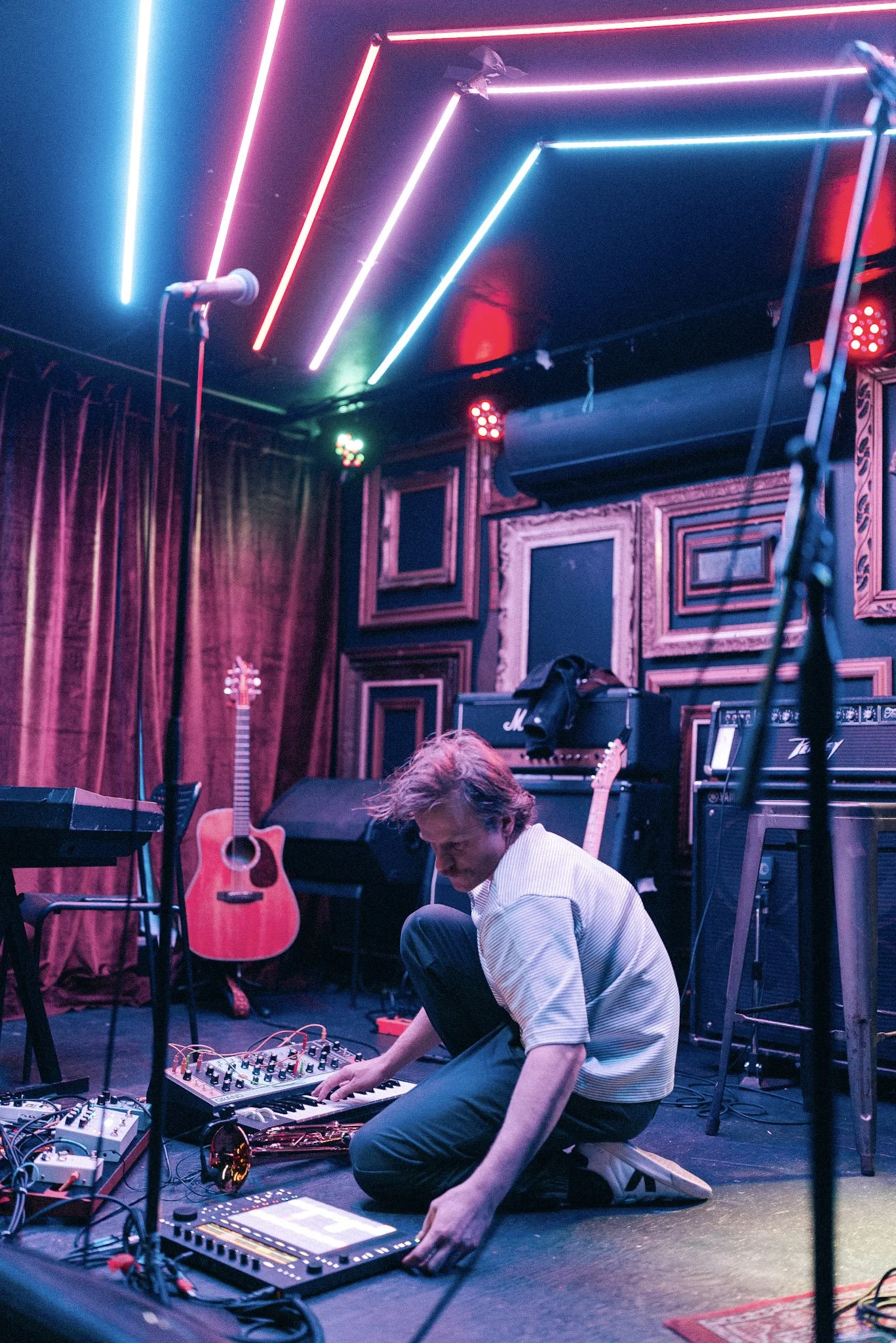
A lifelong musician, Mike has hosted Open Haüs since the departure of Lea. Previously he had hosted Little Loft out of his apartment, becoming a well-known community space of Montréal’s arts scene, once billed as “Canada’s answer to Tiny Desk” until noise complaints post-pandemic shut it down.
“I'm fascinated by the subject of lost languages,” says Mike. “All it takes is one generational break for something to be gone forever, and I don't necessarily want to forget myself. Having grown up fortunate enough to be steeped in a culture of bread-breaking and hospitality – these are traditions that are in our blood and genetic memory. It's maybe more important than ever that we try to at least get together.”
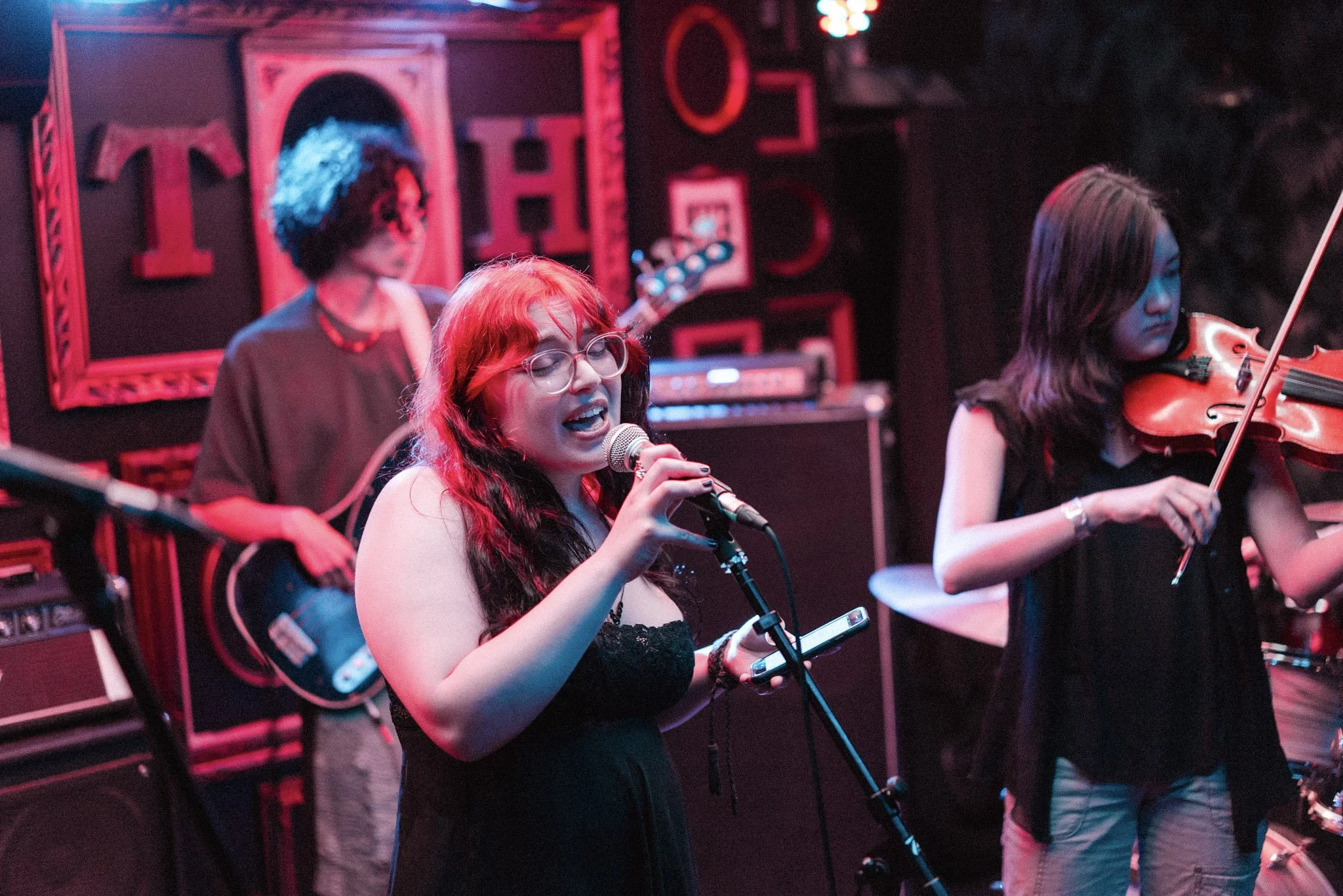
The music at Open Haüs is generally very good. The performers tend to be rhythmic and well-practiced, with or without the disclaimer that this was their first time. Every so often, a single act will grab the entire room for a rapturous moment more akin to a concert than an open mic.
The open mic trends toward guitar, yet across several Tuesday nights, I heard acts ranging from dance hip hop, electro ambience, hispanophone rap against flamenco lines, to psychedelic country blues. More seasoned performers veer towards the experimental, whether trying something without typical pressure, or trying something for the first time. Many of the musicians are promiscuous – reappearing with others in various sets across different weeks, often musical relationships which formed at Open Haüs itself.
Through it all, Mike is an electric presence, shouting encouragement from the back and joining very many of the performers on stage on the drums. For those he hadn’t met, he goes around to personally introduce himself and extend a welcome. Behind it all stands the watchful, seasoned eye of Phil at the sound, a mainstay of the Turbo Haüs scene, and one of many hidden representatives of the continuity between eras.
A touring musician, Open Haüs represented to Mike a significant commitment – yet never work. “Before you said this is one of my main projects – Little Loft was supposed to be what I had with my free time. It was supposed to be making sure to myself that I was meant to be in music, because I was doing it full-time. And then what I still did with my free time was more music, for others. To steep yourself in it so much and still not get tired of it – you feel spent instead of burnt.”
Mike was by turns effusive, warm, and thoughtful when we met. He agreed to this interview on the one condition – that I would return to play a song with him.
“It's getting tough to find time in my own life for certain things. You wake up old one day and you've got more salt and pepper than ever. There’s intangibles for sure. But it does seem worth it, with so many young talents – emerging people who are finding their voice, or have never known the glory and joy of reciprocity and support from others, to have that big first cheer when you finally do it. Everyone deserves to discover that and have that opportunity. But you can only hold the door open – it's up to people to go through it.”
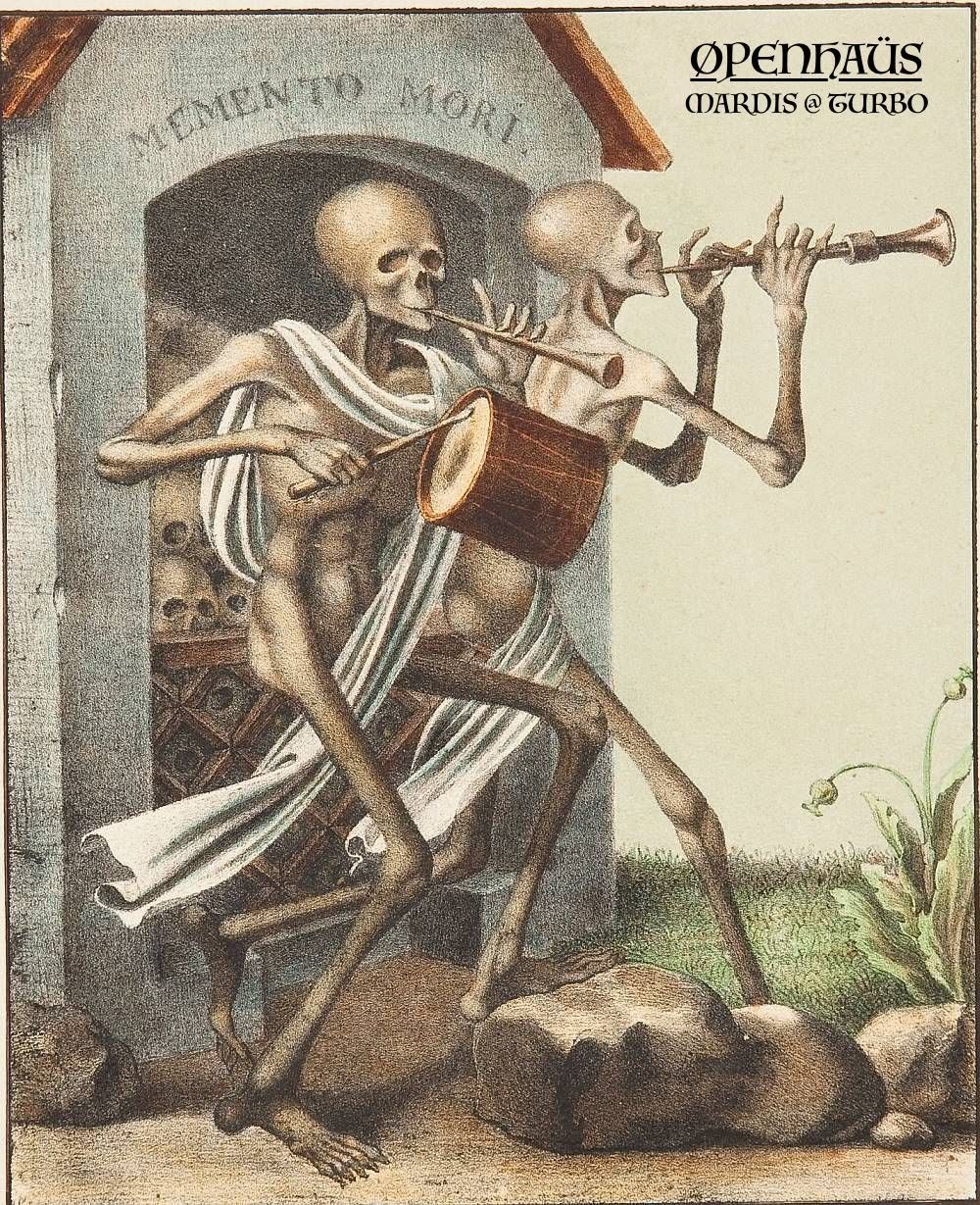
WHAT: Open Haüs
WHERE: Turbo Haüs, 2040 R. Saint-Denis, Montréal, QC H2X 3K7
WHEN: Tuesdays @ 7:00PM
METRO: Berri-UQAM (Orange/Green/Yellow)
DETAILS: https://turboHaüs.ca/calendrier
