
Julie Neff on Being a Bit More Fine
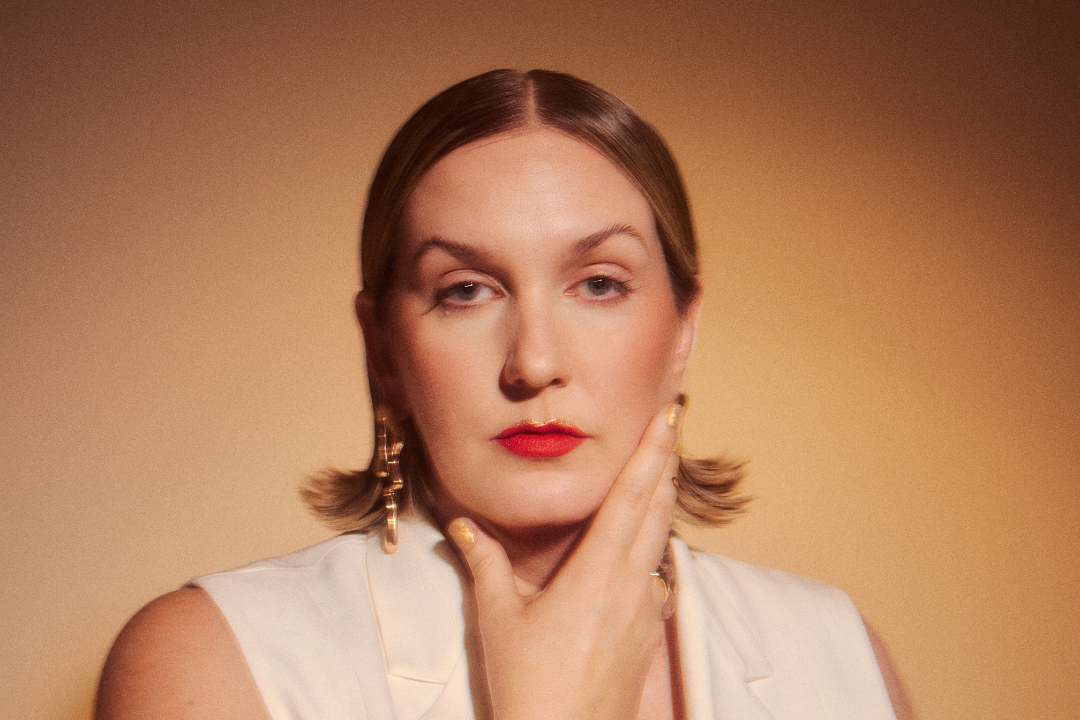
Photo by Bruna Hissae
It’s around 8AM on a Saturday and I’m sitting at my kitchen table, eating a quick breakfast. I open my phone and sift through saved songs, artists, and albums until I find what I’m looking for. I press play. Twelve songs and forty-two minutes later, I’m still sitting there, unable to press pause on Julie Neff’s debut album, fine. After every song, I keep thinking, just one more. The album, released on July 10th, seems to stand somewhere between rock, pop, and country, sometimes leaning more to one genre than another, and sometimes walking through multiple genres in one track. There’s an evolution that happens within Neff’s songs that quickly becomes addictive. It’s an album I want to listen to on road trips, on repeat.
Neff’s youth was marked by time spent immersed in school choirs, church music, musicals, and, later on, open mics and an eight-person band. Among the many artists that have influenced her, Neff lists Florence + the Machine as having been particularly impactful. “She was one of the artists that [..] taught me how big [...] and [how] small [I could get] in the same song,” says Neff. It wasn’t until her mid-twenties that Neff turned to writing music of her own. At the time, Neff was returning from living abroad, was unemployed, and had gone through a surgery and a recent breakup. “I [had] just [gone] through a sequence of really difficult things,” she reflects. We’re sitting in a café along Montreal’s Rue Jarry. For the past few years, Montreal has been Neff’s home. “I didn’t know where to put my feelings, so it was the first time that I was like, I guess I’ll try just writing things. I don’t really know what else to do.”
That last sentence stays with me, maybe because of its honesty, maybe because it helps me better understand the nature of the album fine. There’s a quality of unrestrained emotion to the songs and it makes sense that they would come from a place of creative obligation, of having to be somehow released. “When I need to work something out, sometimes my body or brain kind of forces me to write,” says Neff. “I finally felt like I had enough to say in one album and it really was all dealing with clarity and understanding of the things that I was going through.”
As I listen to the album, I witness again and again this search for clarity and understanding. I find it in lines from the song “swimming in the ocean” that confess: And I don’t know how to write this / Cuz I’ve never been here before. I find it in the percussiveness of the phrase “So just breathe and calm down” remembered in “CHEAP fallbacks”. I find it in the album’s title track “fine!?” in the disclosure: They say“she looks so good must be fine” / But she’s crying on the inside. “It was this idea [that] the word fine can mean so many different things, depending on how you say it,” explains Neff. It dawns on me how vulnerable Neff’s lyrics are, not only in the experiences of heartbreak and invisible chronic illness that they recount, but also in the feeling of authenticity they transmit; it’s as if I’m being let in on replayed conversations and moments of personal reflection. “It was emotional to get the songs out,” remembers Neff. “When you’re dealing with chronic health issues [...] it's challenging to do anything. [...] I really had such a good team because they carried me through that.”
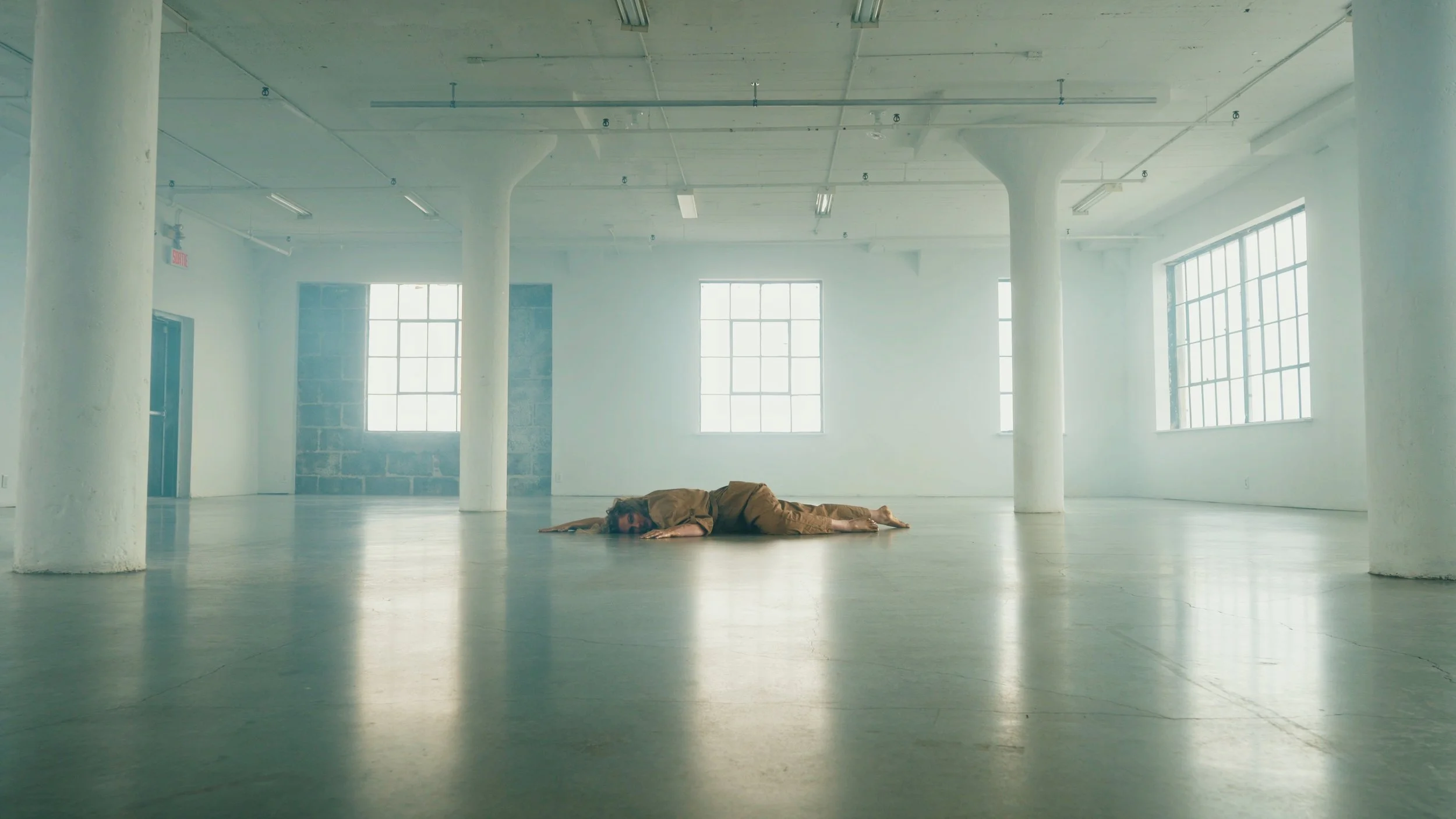
Photo by Josh Kirschner
Yet next to the pain in fine., I also hear such evident strength in the songs, and what most amplifies this strength is the album’s instrumentation. “I recorded a lot of the vocals first,” Neff explains. She tells me that usually, instruments would be recorded first, and vocals second. “We led a lot with the vocals, because that sets the emotional tone.” Here, too, Neff credits her team, her recording engineer, Simon Petraki, and in particular her producer, Cris Botarelli. “[Cris] was able to help me translate a lot of the emotion that I was expressing, that I express vocally, into the instrumentation.” I hear this emotion in the slow, swaying rhythm of “i’m so tired” that shares the heavy weight of fatigue. I hear it in the intimacy created in “enough time” by the simple combination of Neff’s voice and the piano. I hear it in the sound of strings and sliding accompaniment that colour I don’t know why it’s so hard for me to see what everyone else believes in “Edge of Distortion”.
There is one song, however, that I struggle to wrap my head around: “at my grandparents”. It’s one of two interludes on the album, the other one being “enough time”. The sound of “at my grandparents” is distinct, with a piano accompaniment that feels almost stiff. The lyrics, however, share fondly remembered moments of childhood. “The tone of the piano [at the studio] reminded me of my grandparents’ piano,” says Neff, recalling the inspiration for the song. For Neff, the song was always supposed to be the vignette that it is. “Maybe it doesn’t fit for people, and maybe that’s okay, but I think for me it was this nice kind of super trip back in time, to [...] these pleasant moments and these little things, [to] music being a part of my upbringing, and these little kind of memories in a song that didn’t come from pain.” Maybe that short interlude of happy memories shapes a new aspect of the album and its title, fine. “I hope that the word [fine] continues to grow with me,” reflects Neff, “that maybe we get to the album title meaning [...] acceptance.” Maybe “at my grandparents” is a small nod to that hope and acceptance.
So while the album fine. offers listeners a window into Neff’s experience of illness and significant life changes, it also offers them a chance to find comfort. “I am keen on those songs finding the people in the moments when they need them,” says Neff. “If this is even a very small part of feeling more seen, in any of those contexts, [...] then I think that’s amazing.” This idea of feeling more seen is what makes this album a deeply generous collection of songs. Neff’s willingness to make herself, her struggles, and her search for acceptance more visible gives listeners a chance to also become a little bit more seen and maybe a little bit more fine.
WHAT: fine. by Julie Neff
WHERE: Available on all platforms
WHEN: Released July 10, 2026
MORE: Website for Julie Neff
