Feature Friday - Carolyne Van Der Meer

Name
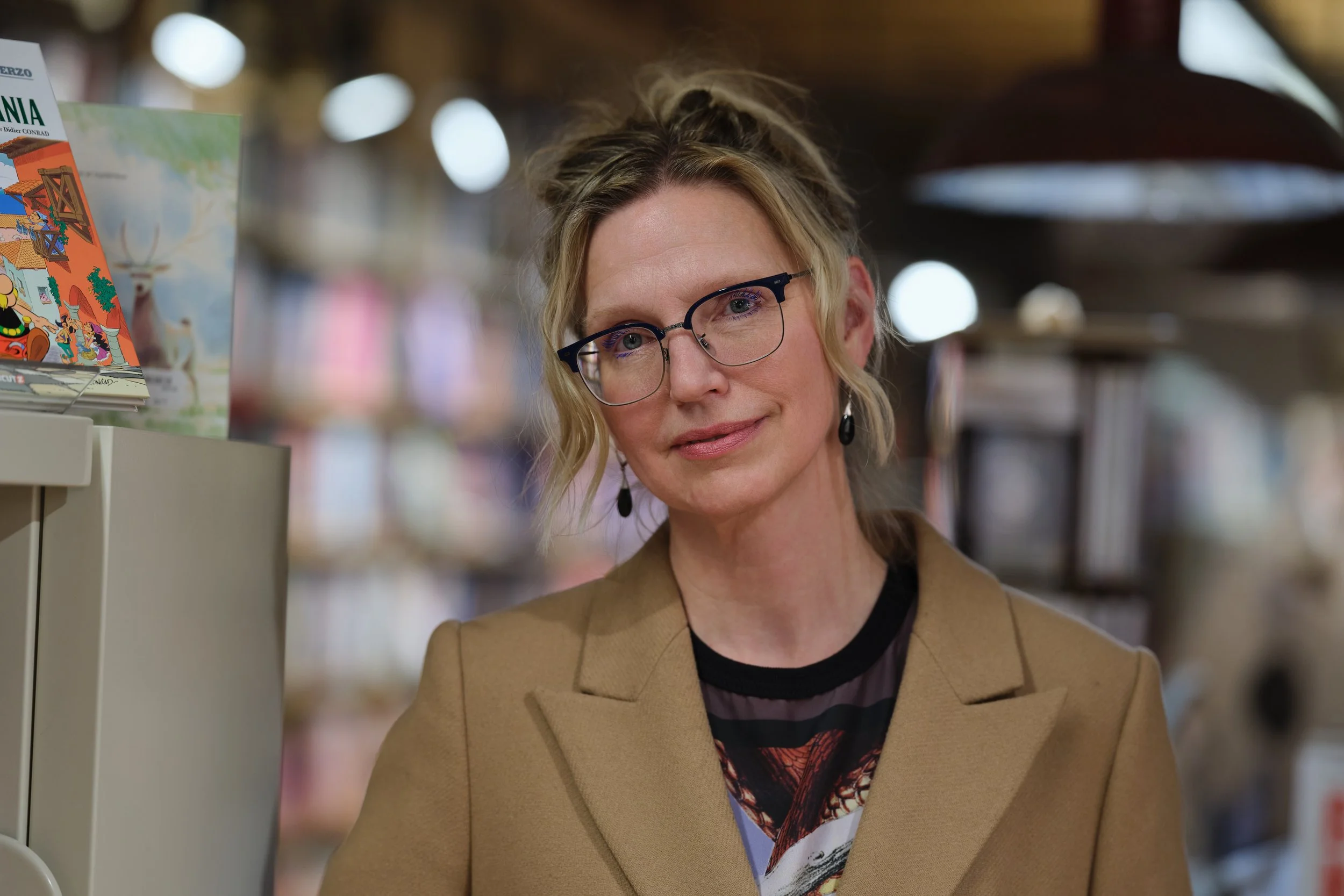
Carolyne Van Der Meer
Pronouns
She/Her
Bio
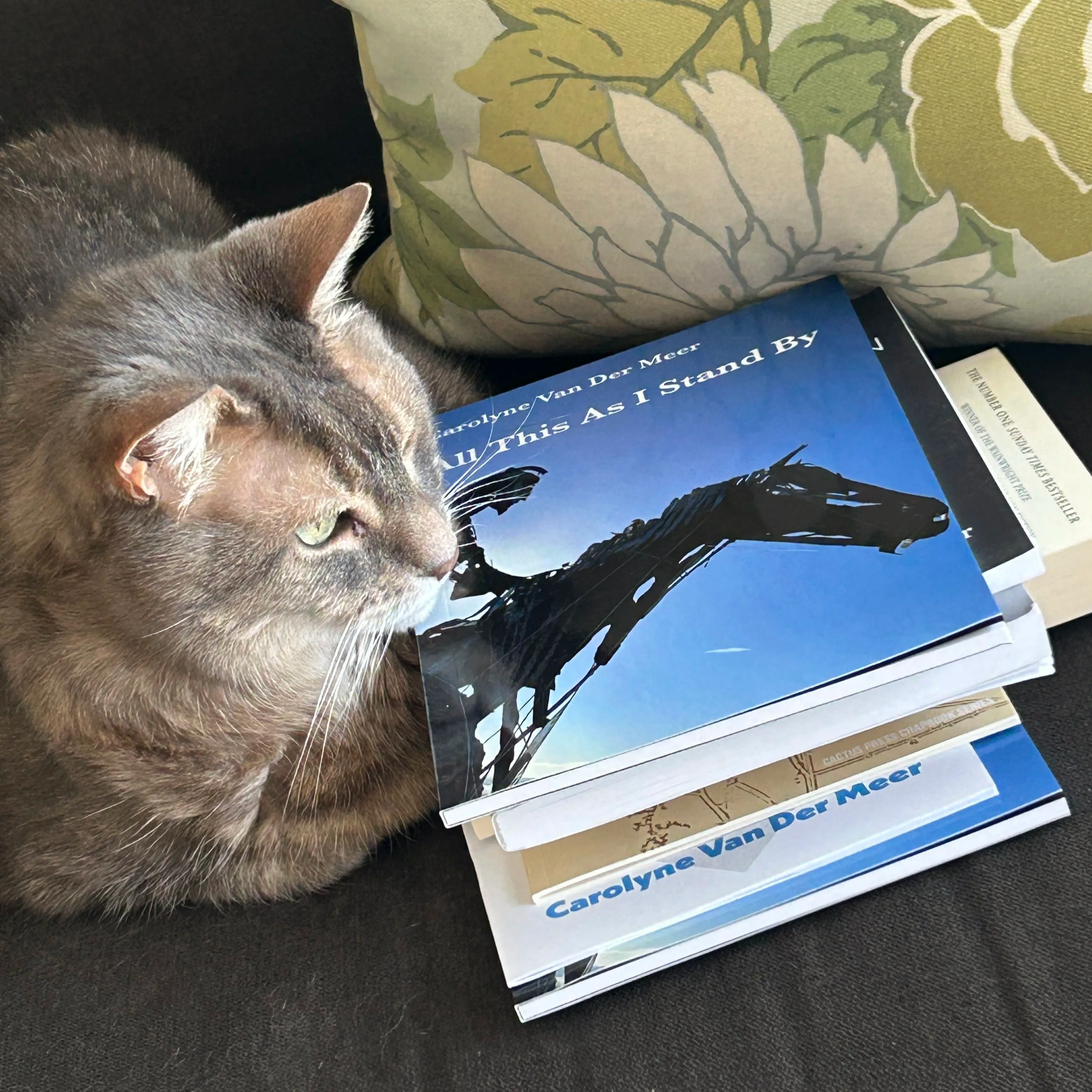
Carolyne Van Der Meer is a Montreal journalist, public relations professional and former university lecturer who has published articles, essays, short stories and poems internationally. Her five published books are: Motherlode: A Mosaic of Dutch Wartime Experience (WLUP, 2014); Journeywoman (Inanna, 2017); Heart of Goodness: The Life of Marguerite Bourgeoys in 30 Poems (Guernica Editions, 2020); Sensorial (Inanna, 2022) and All This As I Stand By (Ekstasis Editions, 2024). Chapbook publications include Broken Pieces: Hospital Experiences (2023), Birdology (Cactus Press, 2025) and Sincerely, Sincerely, (Agatha Press, 2025), co-written with Rayanne Haines.
Instagram
@carolynevdm
Where in Montreal are you located?
In Old Montreal.
What do you love about that neighborhood?
I love how it is full of life in the summer and you could hear a pin drop in the winter. And when the summer is over and I have had my fill of tourists, I am delighted that the silent winter has arrived, and suddenly I feel that 17th-century vibe return to the old town, when there are few cars and fewer people. And when I am tired of the cold and quiet of winter, I am happy to welcome the tourists again. I also love to be able to walk near the water.
What’s your favourite art space in Montreal and why?
If we are talking about viewing art, I would have to say the MMFA gets my vote—though I love MAC and can’t wait for it to open again. However, if we are talking about bookish spaces, I have a few. My favourite place to write is the BAnQ Archives on Viger. The reading room there is so fabulous, easily competing with some of the world’s most beautiful reading rooms like the Copenhagen University Library, the Austrian National Library in Vienna or the Trinity College Dublin Library. I can sit in the quiet on Viger for hours. I love spaces with lots of books. The Westmount Public Library also offers a wonderfully inspiring bookish environment, as does the Atwater Library.
Describe your art in your own words.
Authentic, compassionate, open. An economy of words: only the ones that are necessary. Poems with very little punctuation if any, and a strategic use of spaces and line breaks. A place within which you can sit quietly with the work and see how it washes over you.
What drew you to writing?
I don’t think I can say I was “drawn” to writing. I have just always done it. Almost like I didn’t know any better—and haven’t found anything since that makes me feel better than writing does.
What have you been working on recently?
I am putting a new poetry manuscript together. I have also been working on a series of linked fictional vignettes about a young woman who loves horses and discovers something sinister in the horse world.
How would you describe your voice?
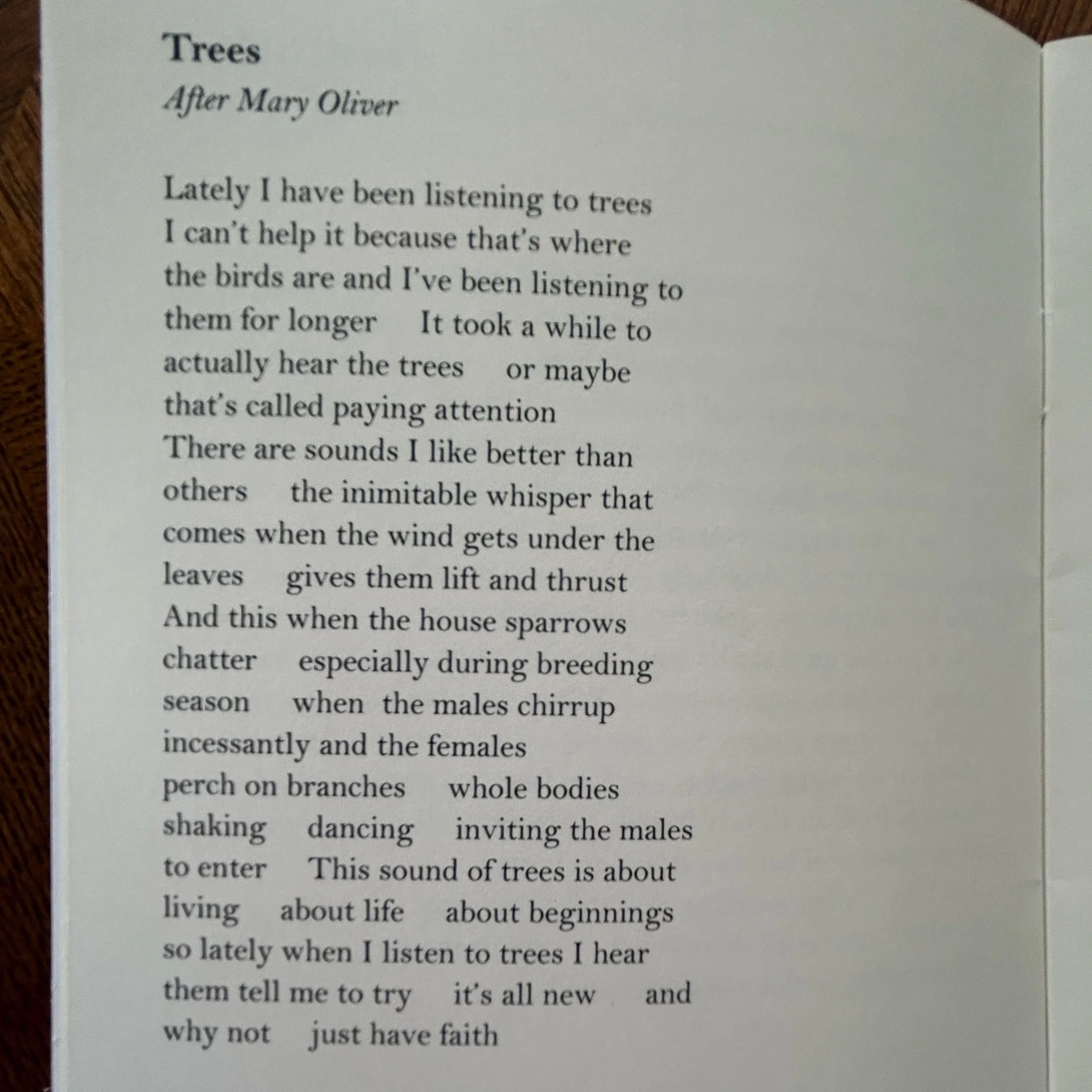
I am obsessed with the volta or the turn—the way that poems seem to be going a certain way and then they hit the height of the arc—and can go any which way. I enjoy making that turn an unexpected one. I want my poems to be a bridge to the “aha” moment experienced by the reader—the thing they didn’t expect, the way a poem led them to something they didn’t even know was there, something in themselves even. This is what I aim for. Do I always achieve it? Not sure, but it’s my goal.
Where do you find your inspiration?
I find my inspiration in the everyday. The most ordinary things inspire me—and those are things that I mine for deeper meaning. I always write when I am travelling—the new things I see give me new material. These days, I am particularly moved by the natural world—birds, animals, nature, the sky.
Describe your writing process.
I do not have a daily writing practice like many writers do. I write on the fly. I carry a notebook with me—because if I don’t, I invariably regret it. I want to be able to jot responses to what I see in the moment. I am often surprised by the things that move me—and am glad when I can just capture it. What I have learned is that if you come up with some good lines of a poem in your head, you MUST write them down right away. Otherwise, they will be gone forever. You won’t remember them in the same way or with the same intensity later. That’s my experience anyways. As for when I need focus, need to get a poem out, I often go to a local café or library—or, as mentioned, the BAnQ Archives on Viger.
Who are some of your favorite writers?
When it comes to poets, some favourites are Ada Limón, Ellen Bass, Jane Hirshfield, Gillian Sze, Moya Cannon, Cyrus Cassells and Caroline Bird. Favourite novelists include the Brontë sisters, Daphne du Maurier, Margaret Duras, Steven Heighton and Maggie O’Farrell.
What do you love about Montreal's literary scene?
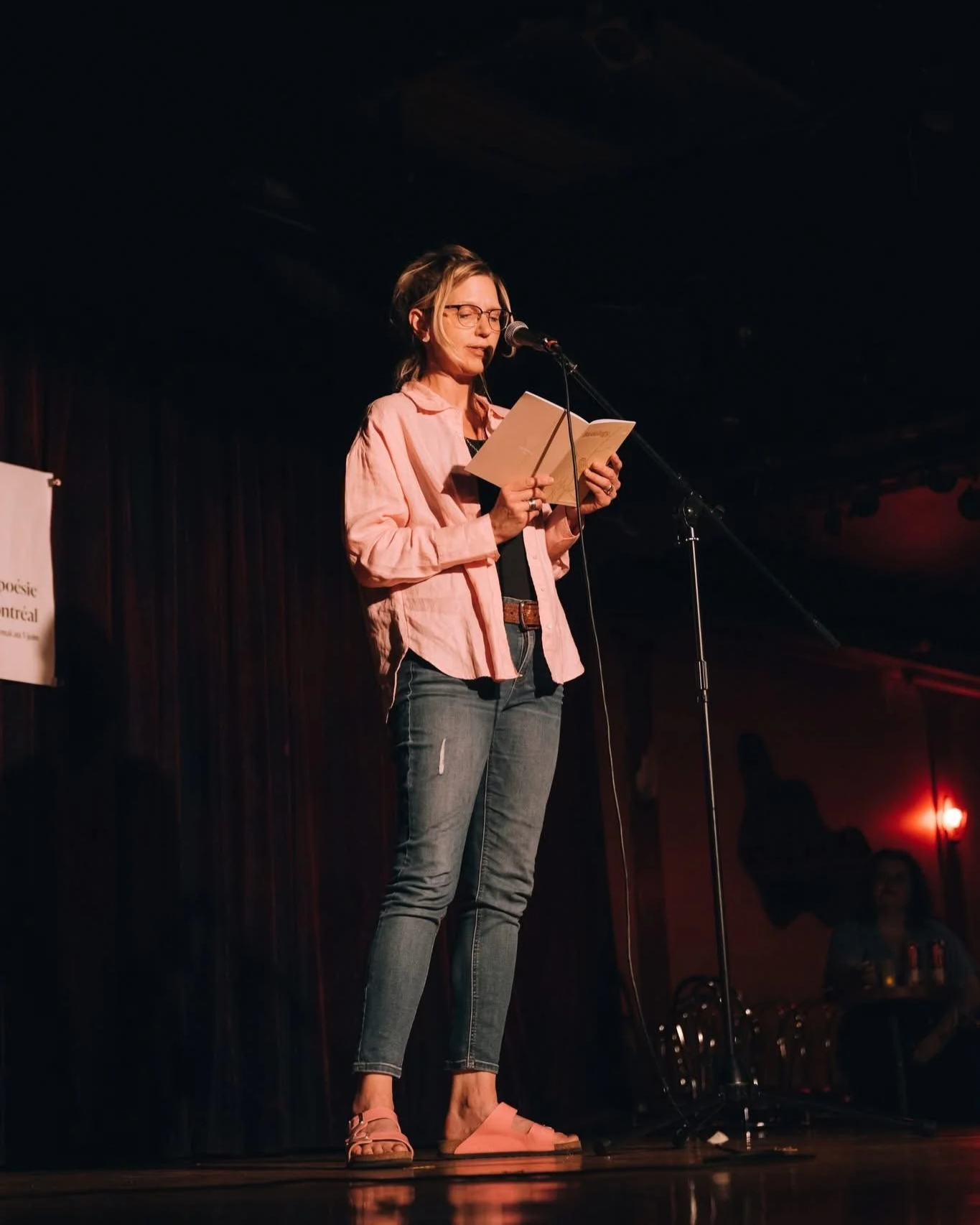
Montreal writers are welcoming, generous and kind. They come to launches and readings, and they cheer their peers. There is a good vibe, thanks in part to people like Devon Gallant, the publisher of Cactus Press and the founder of Accent Open Mic; Jan Jorgensen, founder of The Lawn Chair Soirée; and poet Jerome Ramcharitar, who is the part of the Lawn Chair team. These are just three of the people who make the Montreal lit scene so warm and accessible. I should also mention French-language poets Louise Dupré and Denise Desautels who bridge the French and English poetry scenes. On top of this, organizations like the Quebec Writers’ Federation, the Thomas More Institute, the AELAQ and ELAN provide places for the writing community to grow and thrive. I can’t count the number of times I have shown up at an event, and not only are the people I already know welcoming, but so are the people I don’t know! I think we are pretty lucky in Montreal to have such a supportive, open community.