
Zine Culture in Montreal
Creativity, Activism, and Sticky Glue
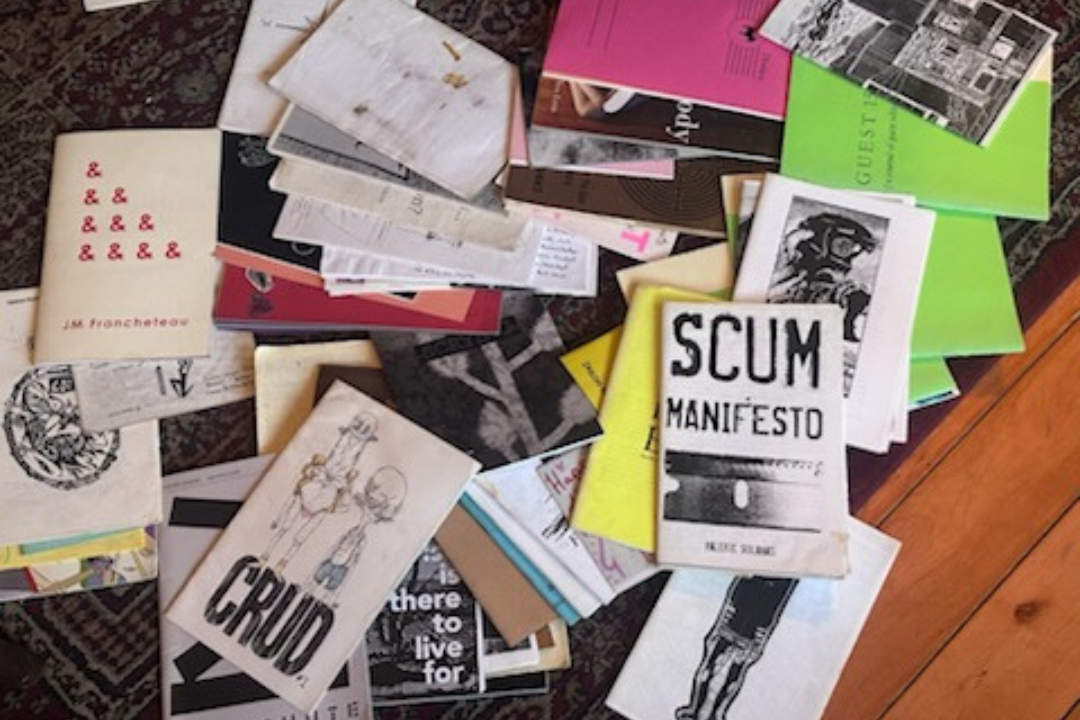
Folded between fingertips and passed under tables, this silent mode of communication can make a big impact. Zines, small collaged publications packed with message and creativity, are a place for true, grassroots expression. With a photocopier and a message, anyone can pour their heart onto blank pages and turn it into political and social change.
Zines are small booklets created with collage, art, poetry and prose. They are typically created for expression and not profit, and have played a key role in activism throughout the last century. Since the 1960s, mail art networks have circulated zines throughout communities. As their quiet power was realized, many zines became associated with punk ideals of the ‘70s and ‘80s. Zines were a tool for those silenced to express what they couldn’t otherwise - to channel their voices through their hands and create a mail-in megaphone. The feminist movement of the ‘90s Riot Grrrl used zines as a crucial way to spread their message. Their powerful words and vital knowledge, shared to their communities through photocopied pages, worked to educate and inspire women around America, and later around the world.
Despite the time that has passed, zines have remained a vital form of community. From organized zine-making workshops to entire conventions, artists have always understood the power in making, sharing, and doing. A contemporary political zine that comes to mind is Movement YVR’s campaign to stop reduced bus service in Vancouver, British Columbia. Their easy to read and distribute zine was folded and cut by dedicated campaigners this February, translated into many different languages with care. It was how the Movement spread their message, how they got others to listen, and how they made a tangible difference. Even with the addition of social media into our lives, zines are still making their way from hand to hand to mailbox. They are still turning art into change.
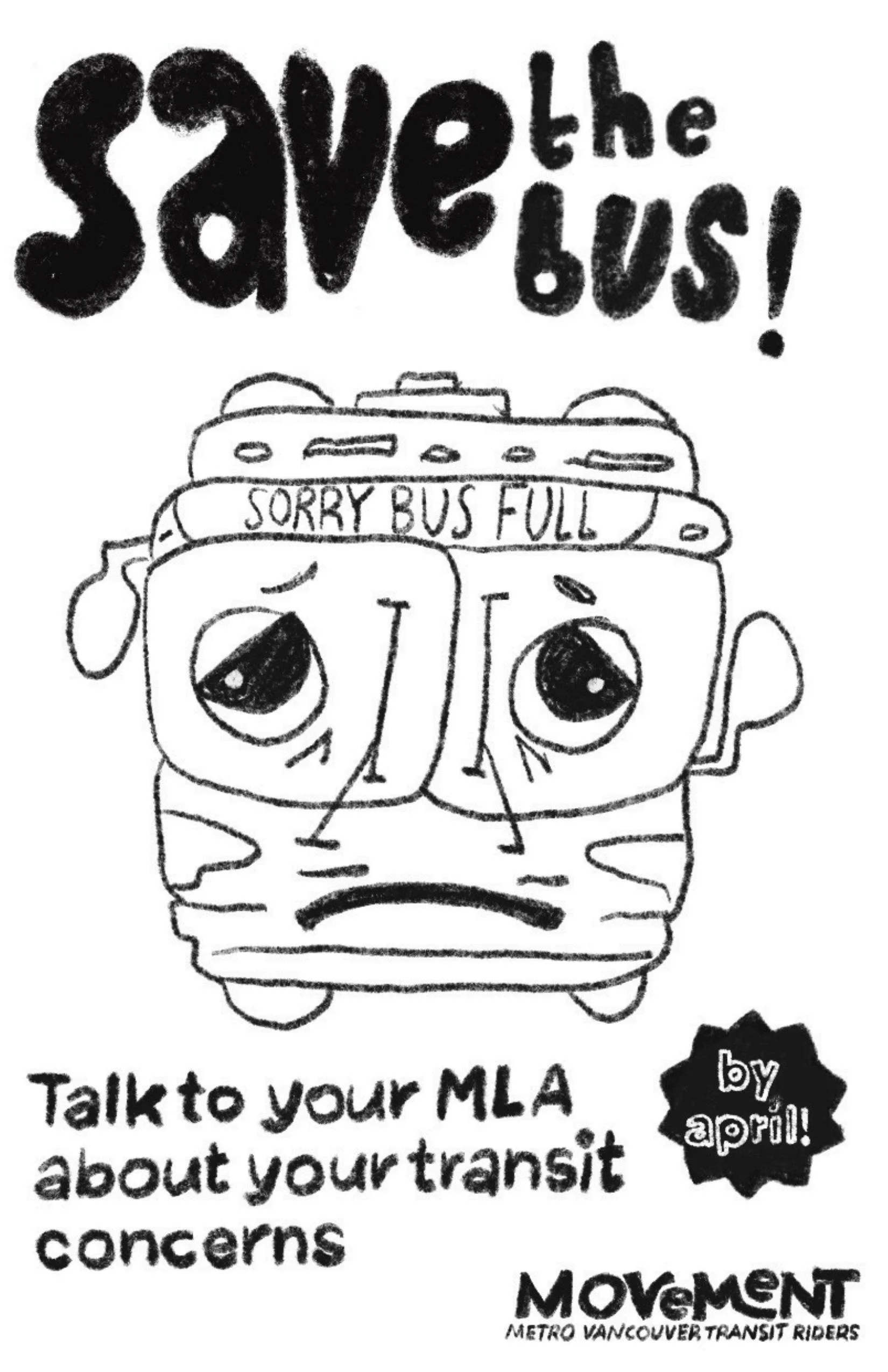
SAVE THE BUS!
This beautiful zine was created by MovementYVR, translated into Panjabi, Spanish, Tagalog, Chinese, and English.
Montreal has been a hub of underground artistic expression for as long as it has existed, and zines are no exception. My favourite example of this is a set of art-vending machines around the city. Distroboto machines are a hub of small form art hidden away in old cigarette vending machines. The bilingual art, fabric, and poetry publications dispense for $2 or $4 a pop, selling unique works for cheaper than candy. Since 2001, a toonie or two has been traded over one hundred thousand times, leaving pieces of art to circulate Montreal's streets.
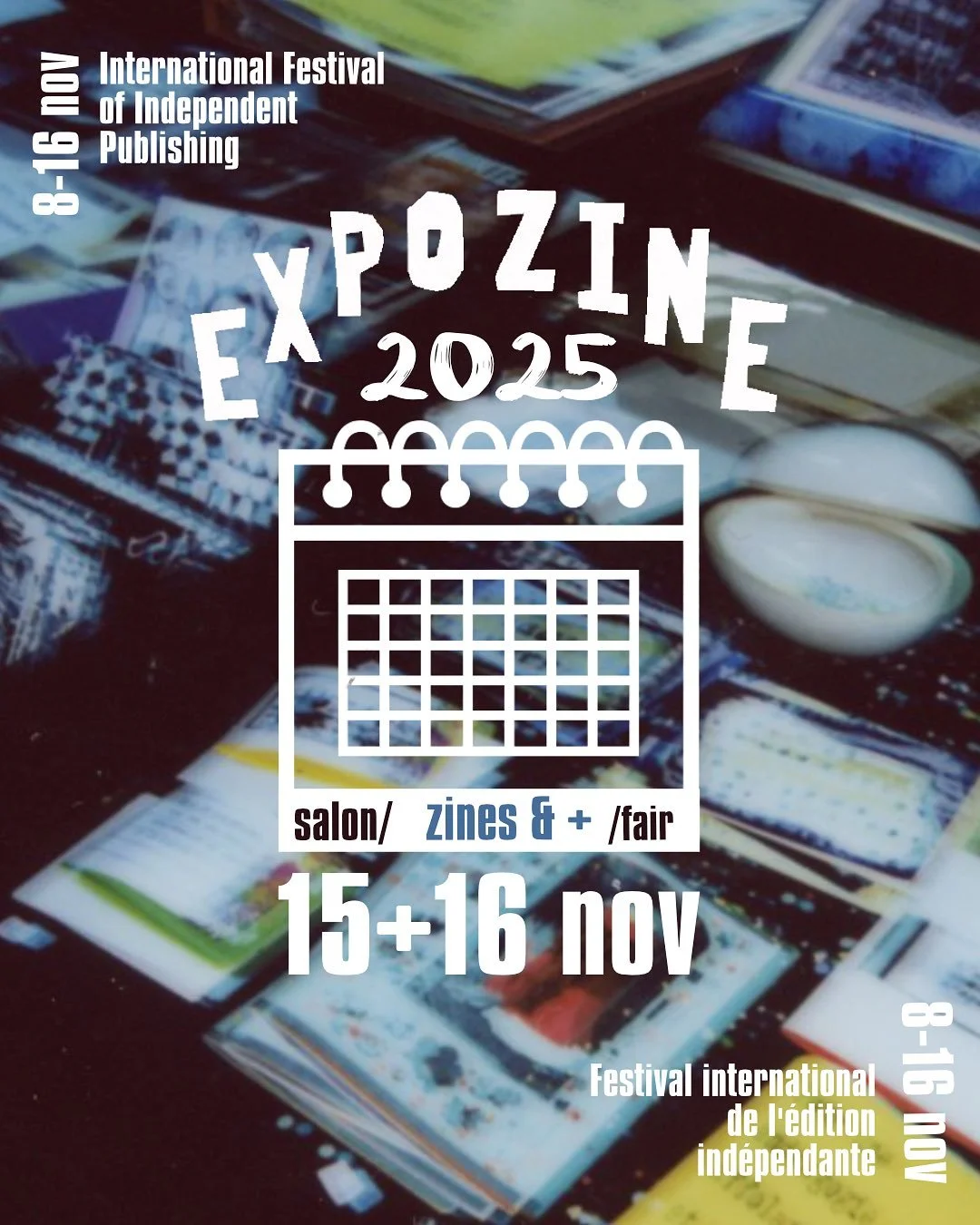
It isn’t only unique distribution that makes Montreal's zine culture so distinct, but also the chance for learning, creating, and exploring. Expozine is an independent publishing festival that has been held in Montreal for 24 years. It celebrates the artists that pour themselves into their work, showcasing presentations, talks and workshops. Expozine exists for the artistic community to thrive and shine over the course of one weekend, highlighting zine culture, activism, and underground works. Expozine 2025 hits Montreal November 8th, running until its notorious zine fair takes place on the 15th and 16th.
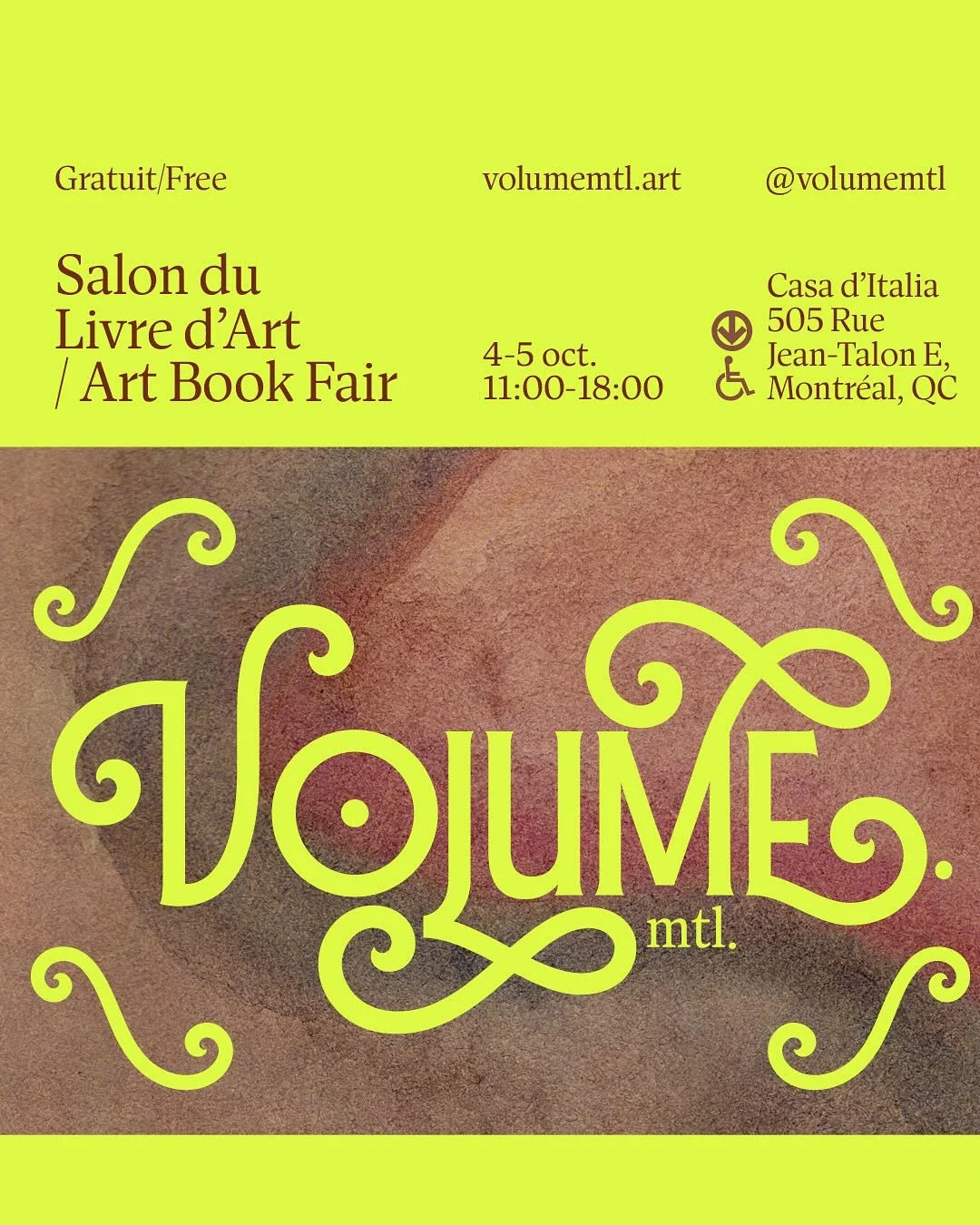
“There's a whole week of programming around zines, including readings, a zine archive conference featuring zine archives from around the world, performances, workshops and zine archive visits.” Louis Rastelli, the Director of Art Montreal and manager of Expozine shared with me in an email. Rastelli also shared details about Expozine's sister project - Volume 8 MTL. The project centres the world of art books and art publishing, from the 30th of September to the 5th of October. The fair takes place around the island, running workshops, discussions, viewings, and artistic performances. The amalgamation of international artists and bilingual arts showcases all that Montreal has to offer.
While I was exploring zine culture in the city, I had the pleasure of chatting with Andrew Jamieson, a multidisciplinary artist living, designing, and performing in Montreal–as well as Forget The Box’s own Creative Director. His viewpoint highlighted the importance of creating and continuing the conversation of physical art.
“I'm a huge believer in physical ephemera, particularly when it comes to art.” He told me, while discussing his series THISISNOTASAFESPACE. Each performance in the series is created in tandem with an accompanying zine, paper creativity and a physical token of the show. “What's amazing about the zine culture is the persistence, the urge to create these physical objects.”
When I look back on the persistence of zines, I attribute it not only to the inherent human urge to create, but a need for zines in our society. They not only reflect the urge to make art but our urge to express our thoughts, share our voices. The medium of zines leaves power in each of our hands. With a pen, photocopier, and a message, you can reach others using your art and vision. Next time you open a zine, think of it not just as a creative medium of entangled thoughts, art and pictures, but someone's voice.
If you’re reading Forget The Box, you’re a supporter of free, independent arts coverage. We ask you to take a moment to consider donating $1 to help us continue our mission to spotlight ground level, underground, and marginalized art in Montreal. Every little bit helps.
