
Fearless Creative Confidence
Mona Maarabani Champions Accessibility and Community
Mona Maarabani knows what she’s doing. She’s used to surprising people when she walks into a room for the first time, confident and ready to take on any challenge sent her way. “Being able to say that about myself right when I was starting out… It was very much a realisation of, ‘oh, I can literally do anything,’” she tells me.
I was lucky enough to sit down with Mona to talk about what it’s like to start so young in the entertainment industry, and learn more about where she’s headed. As our coffees ran cold, Mona and I chatted for hours about the joy of theatre, art, community, and—surprisingly enough—Model UN.
“I think what I do best is take ideas and make them as good as possible,” Mona explains, when I ask about her favourite parts of working in theatre. “I can look at something and figure out what it needs to come to life. It’s important for me to keep the creative seed alive at the heart of my work, and let it inform everything I do.”
It’s clear from the first few minutes of our conversation that Mona is deeply knowledgeable and passionate about her craft. She’s worked across a variety of different roles in the entertainment industry over the last five years, from production manager to director to industry coordinator; for big names such as Just For Laughs, the National Film Board, and TIFF. In her own words, she is “a true jack of all trades.”
“I intentionally went for contract work when I was starting out because I just wanted to experience everything. That’s why I managed to be an associate producer at 23, because by that point, I’d already been a venue manager, a production coordinator, all these things. [...] I really just wanted to understand how everything worked, to absorb everything around me.”
In addition to this genuine desire to learn, Mona credits her straightforwardness and direct personality for how she was able to make it so young. “I’m a very opinionated person, I’m a very confident person, and I’m very ambitious. I know that the best jobs for me are where I can lead, which is why I love producing and directing so much.”
Mona’s experience speaks for itself when it comes to taking the lead. Young women in the industry are constantly underestimated, led to believe that their opinions aren’t worth hearing out—but Mona has no patience for that.
“The biggest lesson I’ve learned is not being afraid of my own leadership,” she shares. “When I start a new project, I want to know, are my ideas going to be valued? Because I need them to be. If not, I’ll move onto the next project.”
“Fun fact, I wanted to be a lawyer for a long time,” Mona tells me with a laugh, and I smile, because it makes perfect sense. “I think what ended up leading me to the arts instead was Model UN. I did it for seven years, both as a delegate and a teacher… It was playing characters in crisis committees that made me comfortable with the idea of creating an arc, of speaking on the fly. It was basically improv.”
I comment on the similarities between theatre kids and Model UN kids, and Mona nods immediately. “Yes, for sure. There’s also a strong sense of community with Model UN that I find is also present in theatre, so starting out in community theatre brought that sense of familiarity with it.”
Model UN also demands a kind of discipline and commitment to being organized that one wouldn’t necessarily associate with the arts, but is far more essential than we realise. Mona explains to me how diligently planning conferences for delegates was probably an early sign that led her down her current path of live event production.
“I’ve been told I have a severe case of producer mind,” she says wryly. “I’m a problem solver by nature. I don’t panic. I truly don’t think I felt the emotion of stress until the age of 21.”
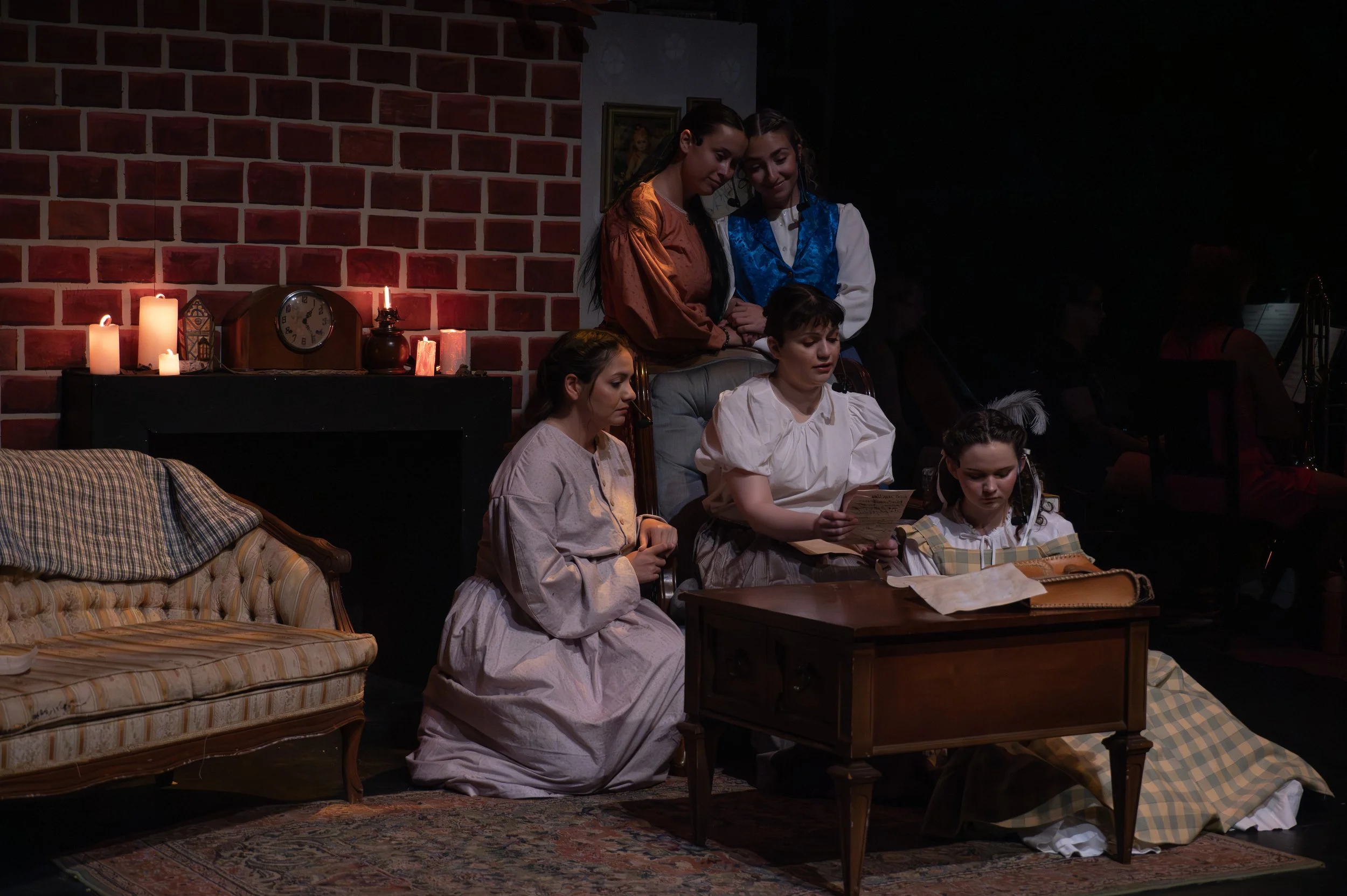
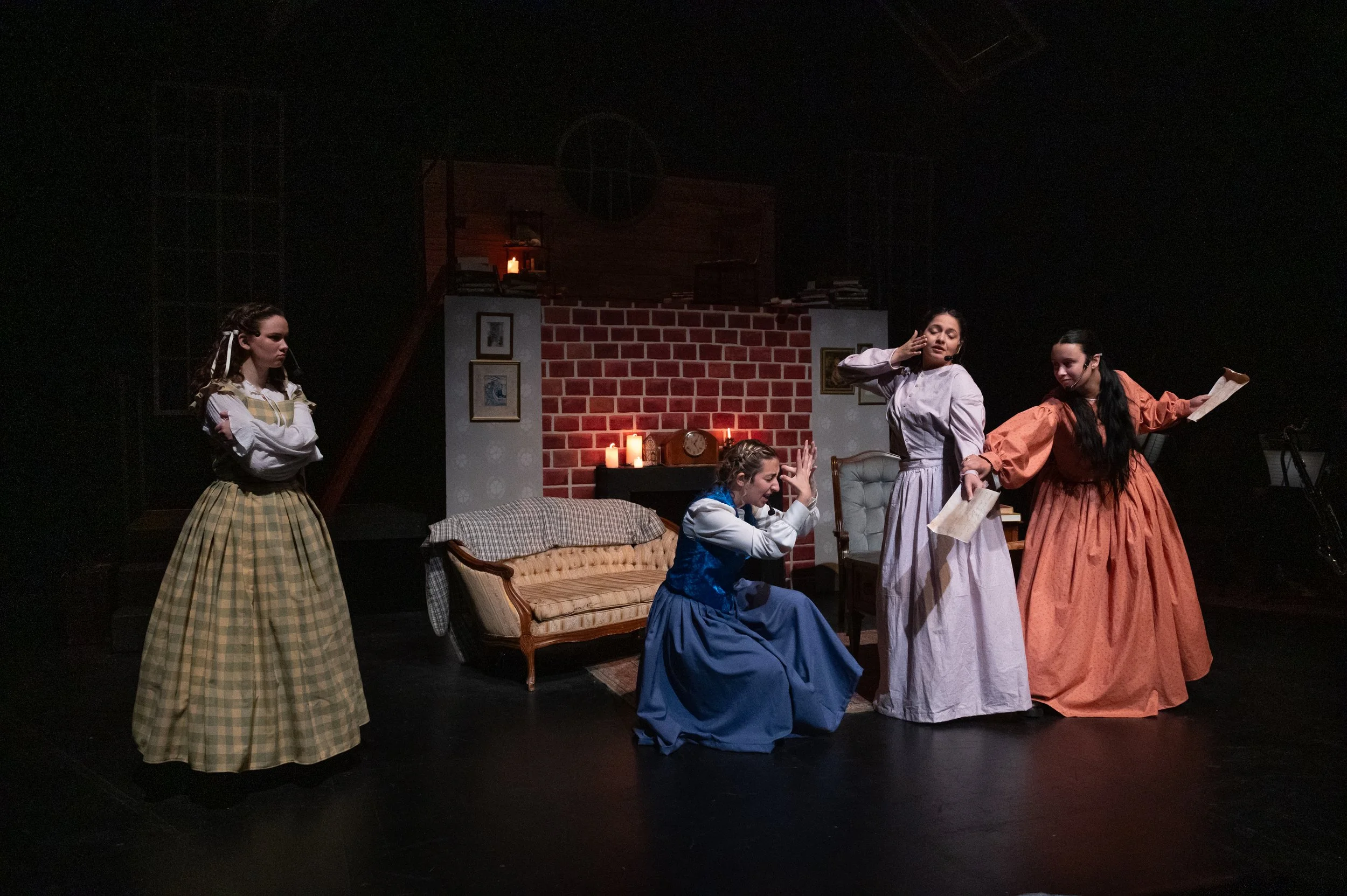
I’m curious about how she maintains this mindset in a field as unpredictable as theatre. Mona is completely earnest in her reply: “Everything we do as entertainers only ever adds joy to people’s days. To me, there is no failing in that. My only concern is, how can I make it as good as it can be? Because it’s always going to be good.”
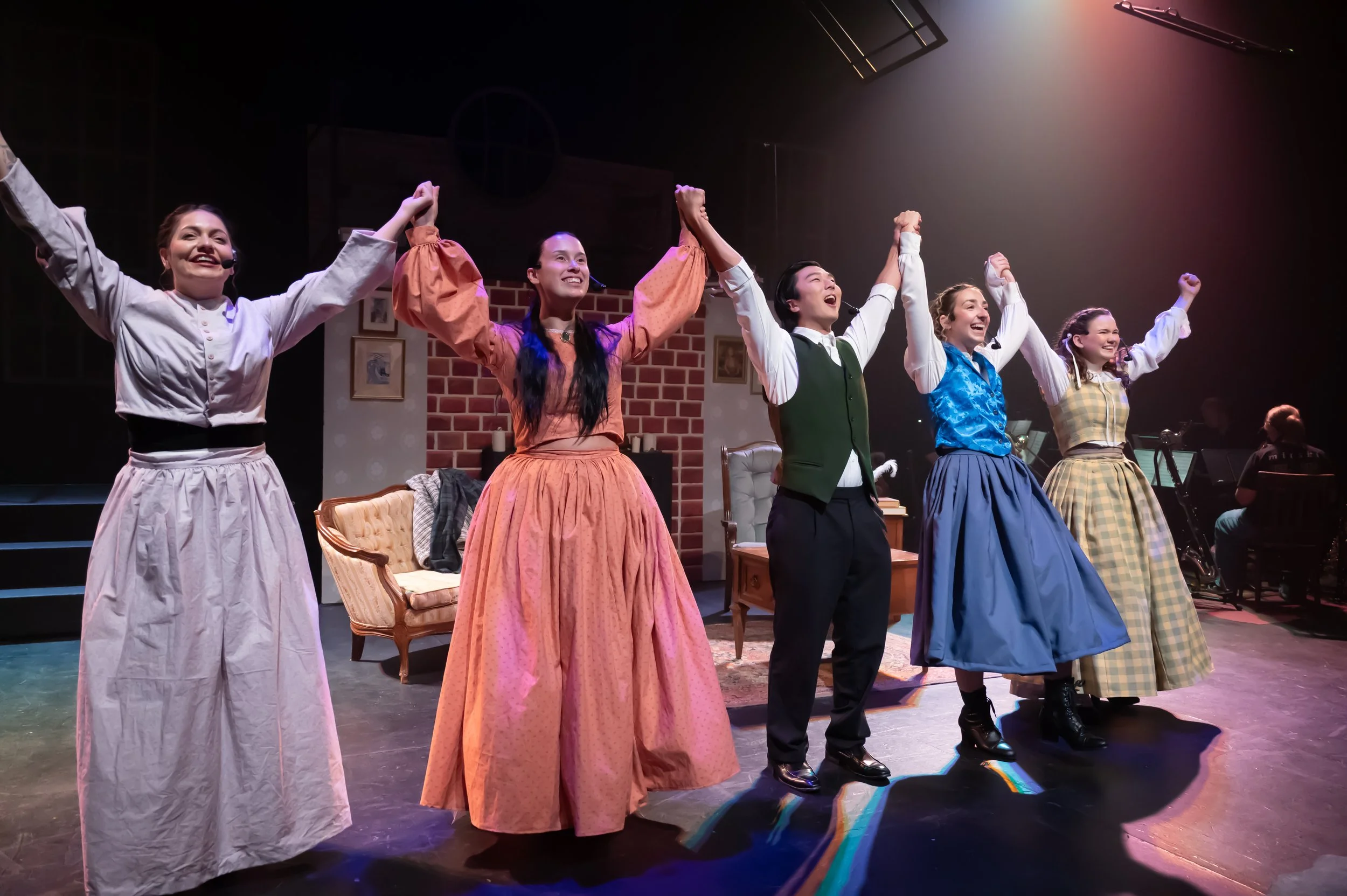
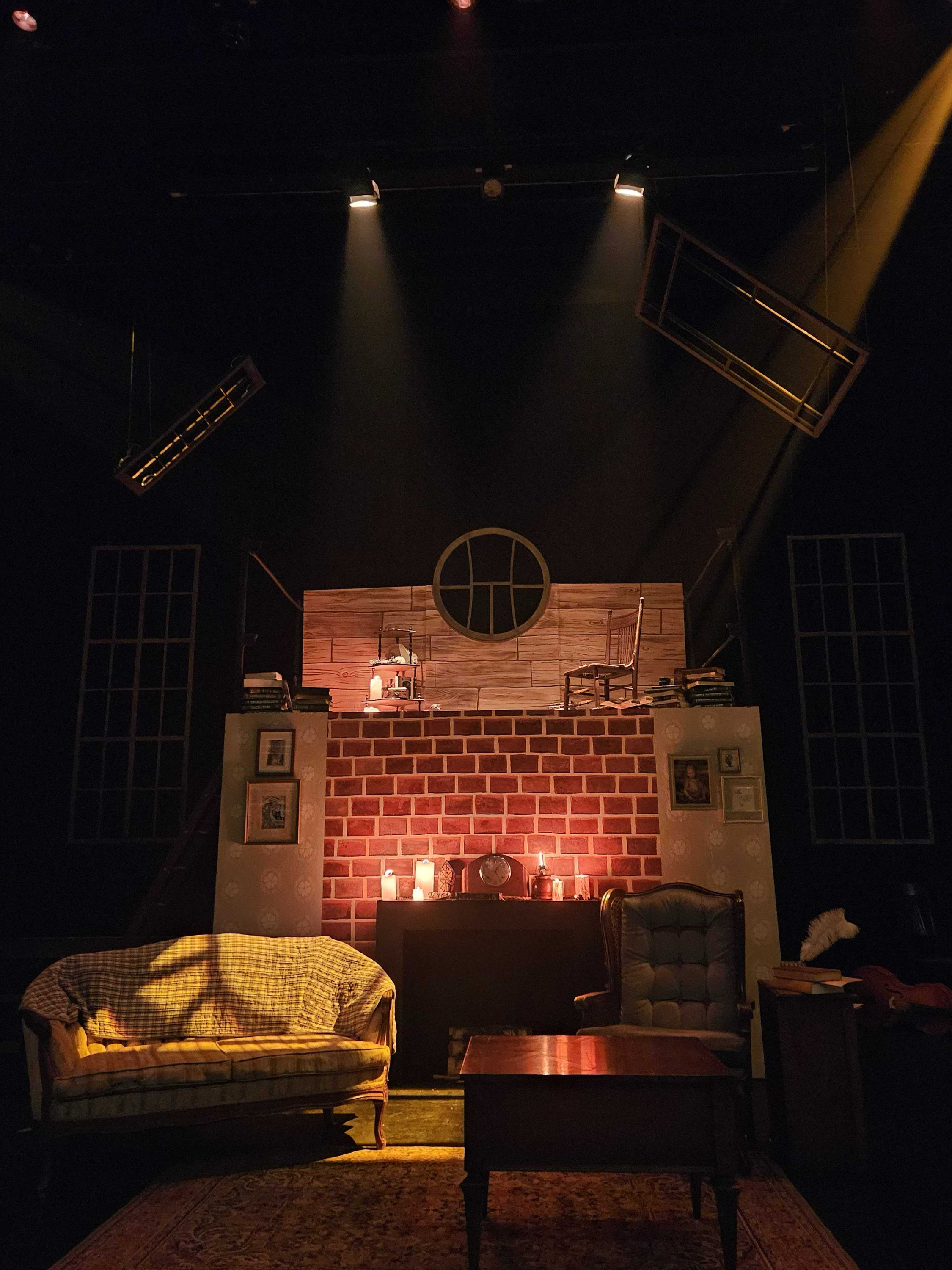
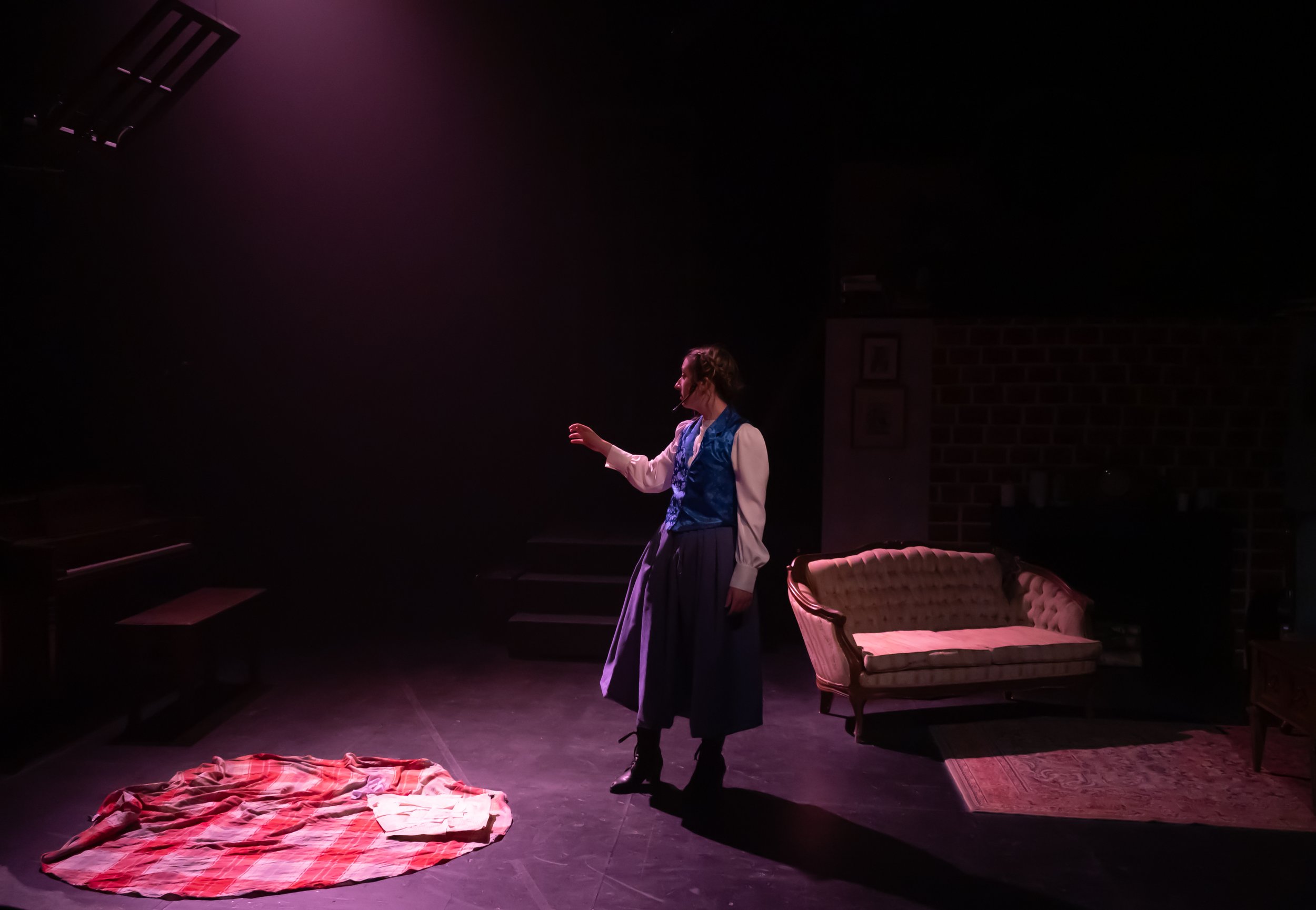
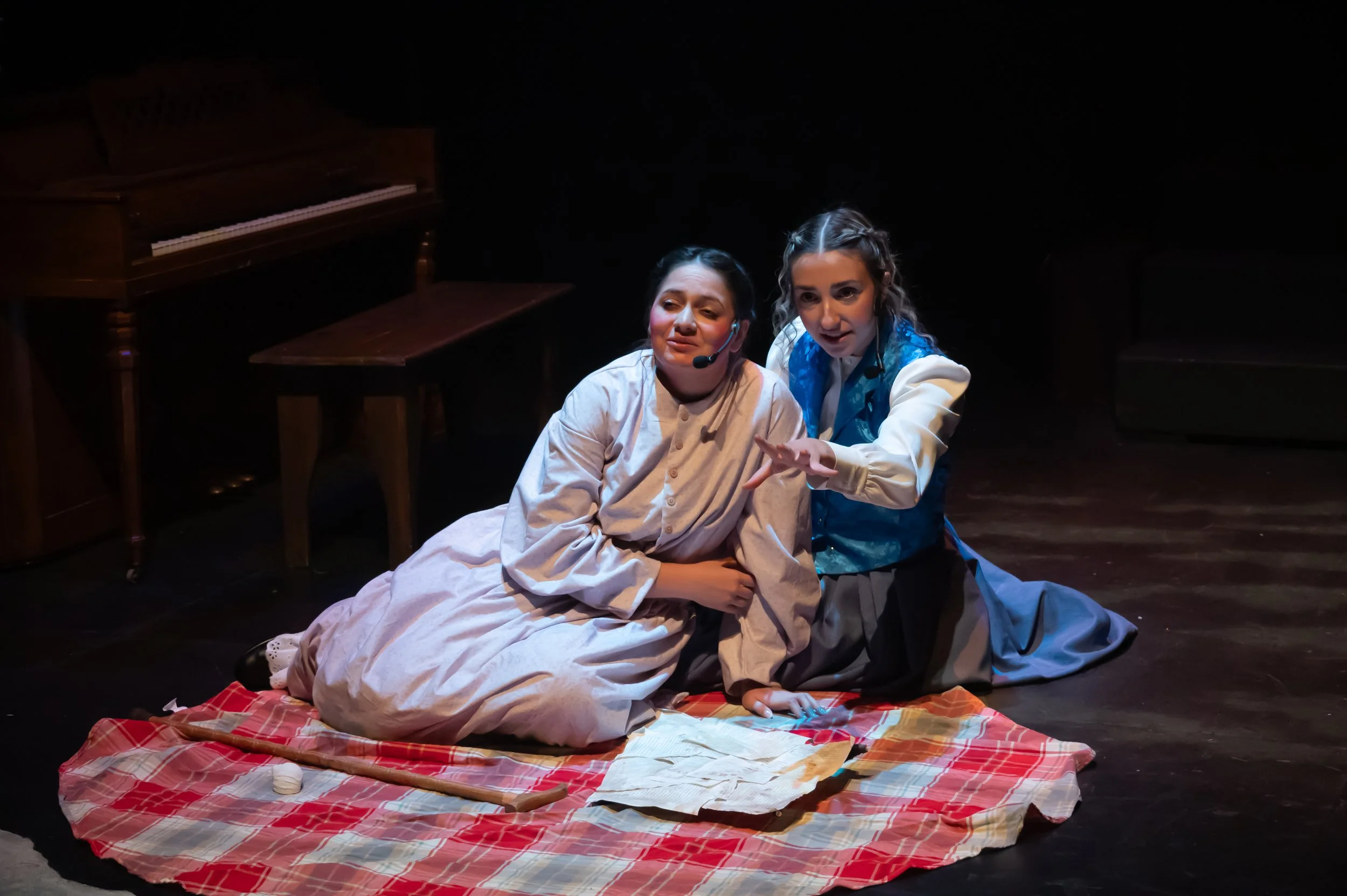
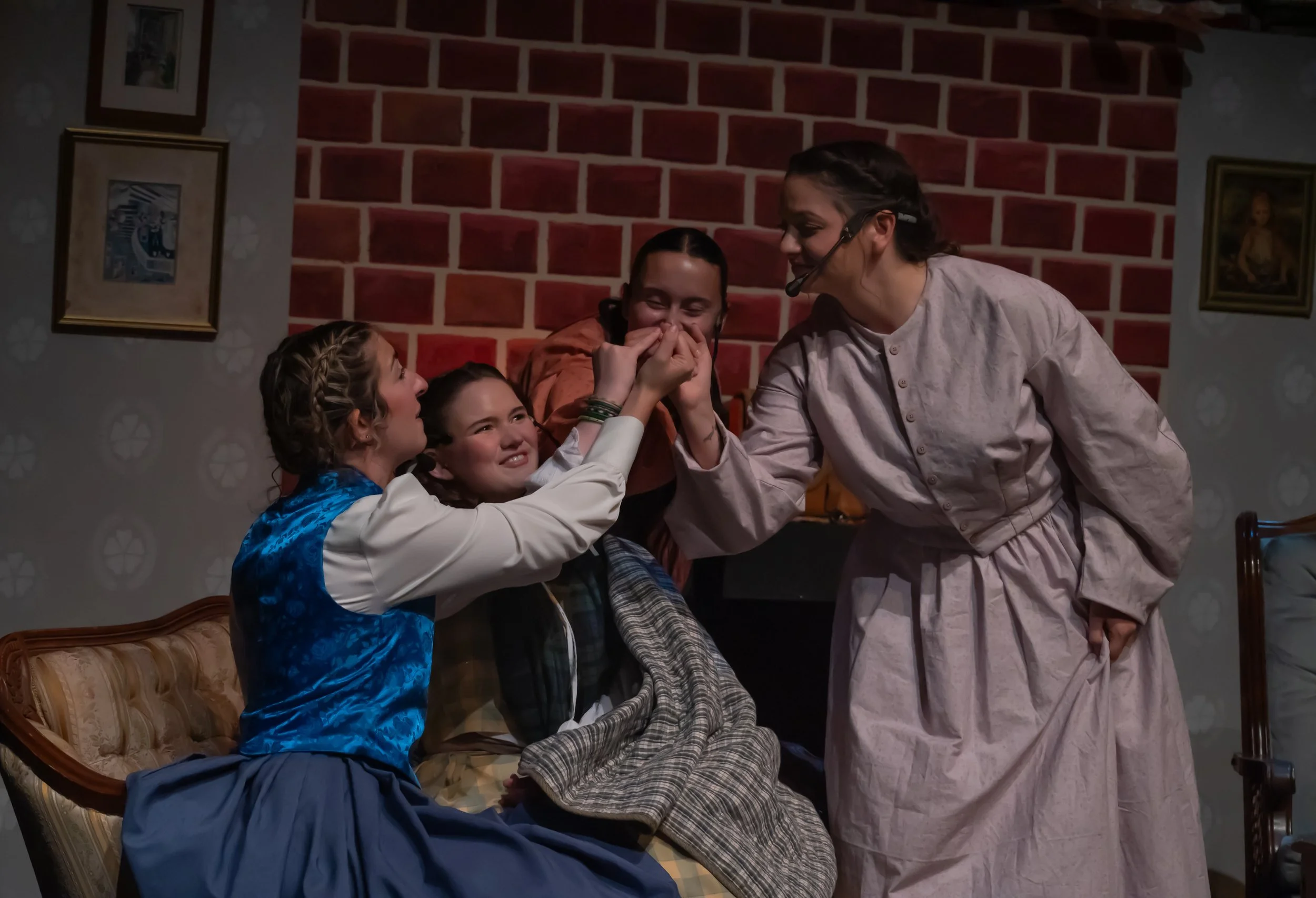
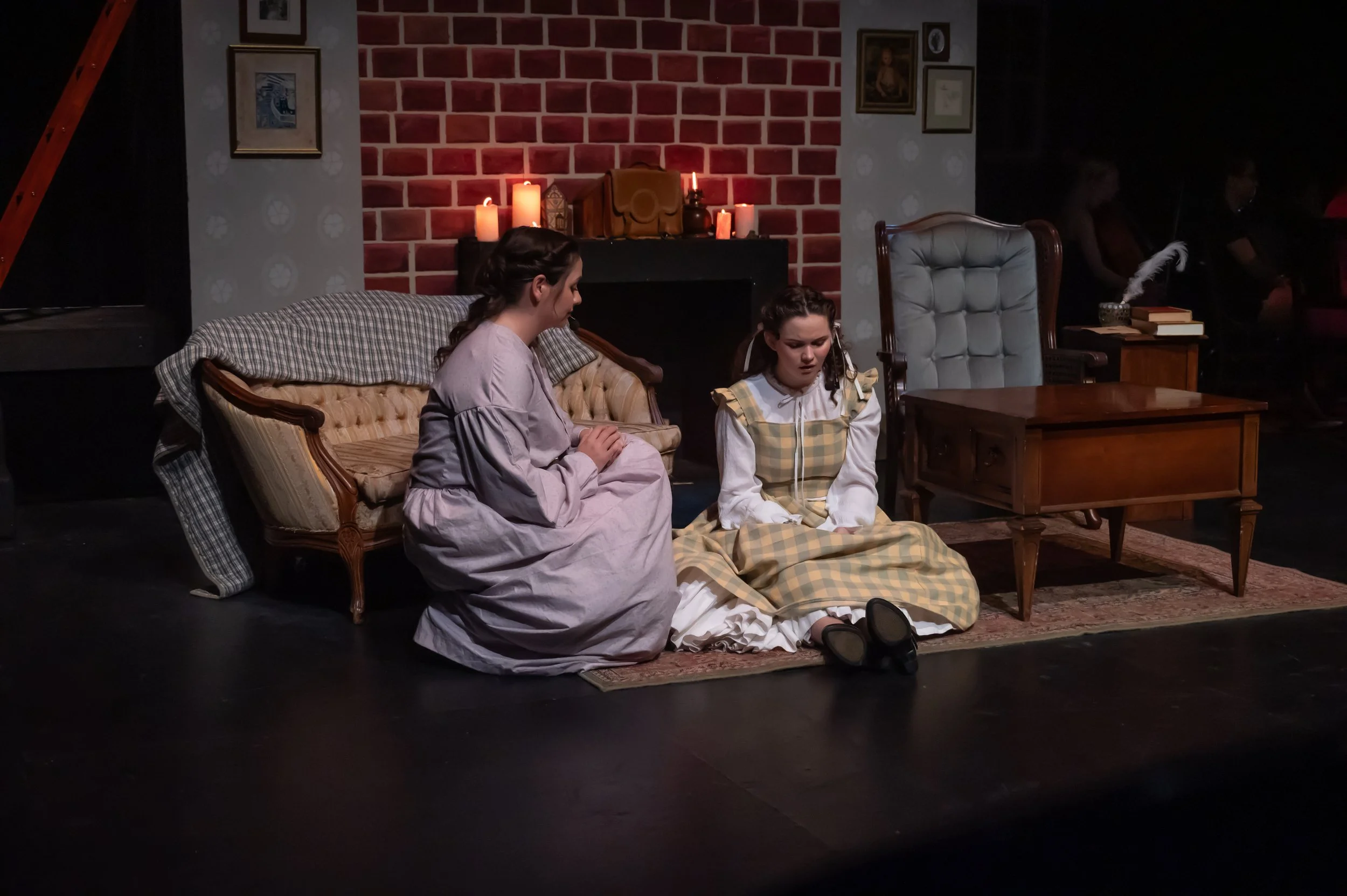
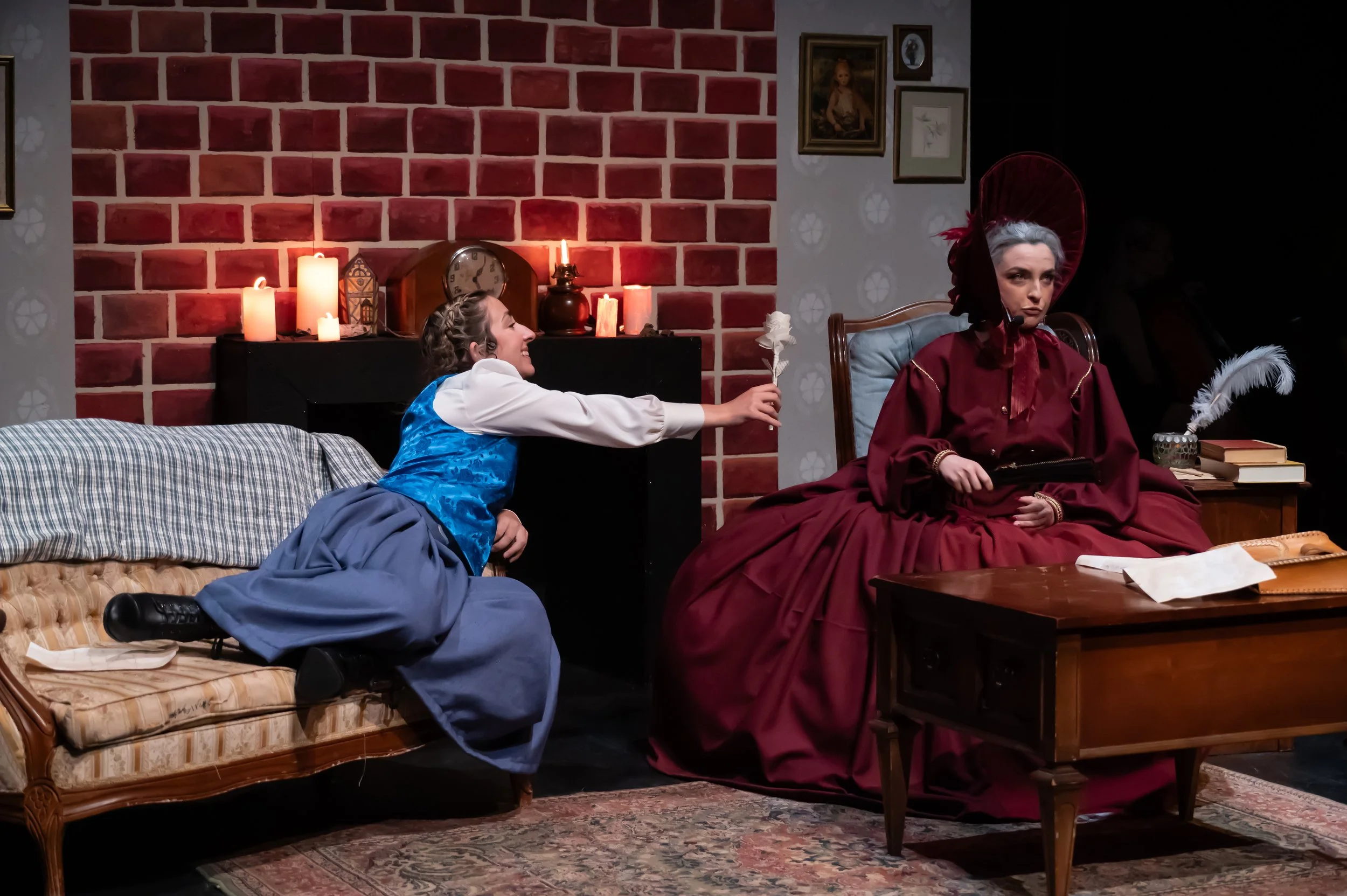
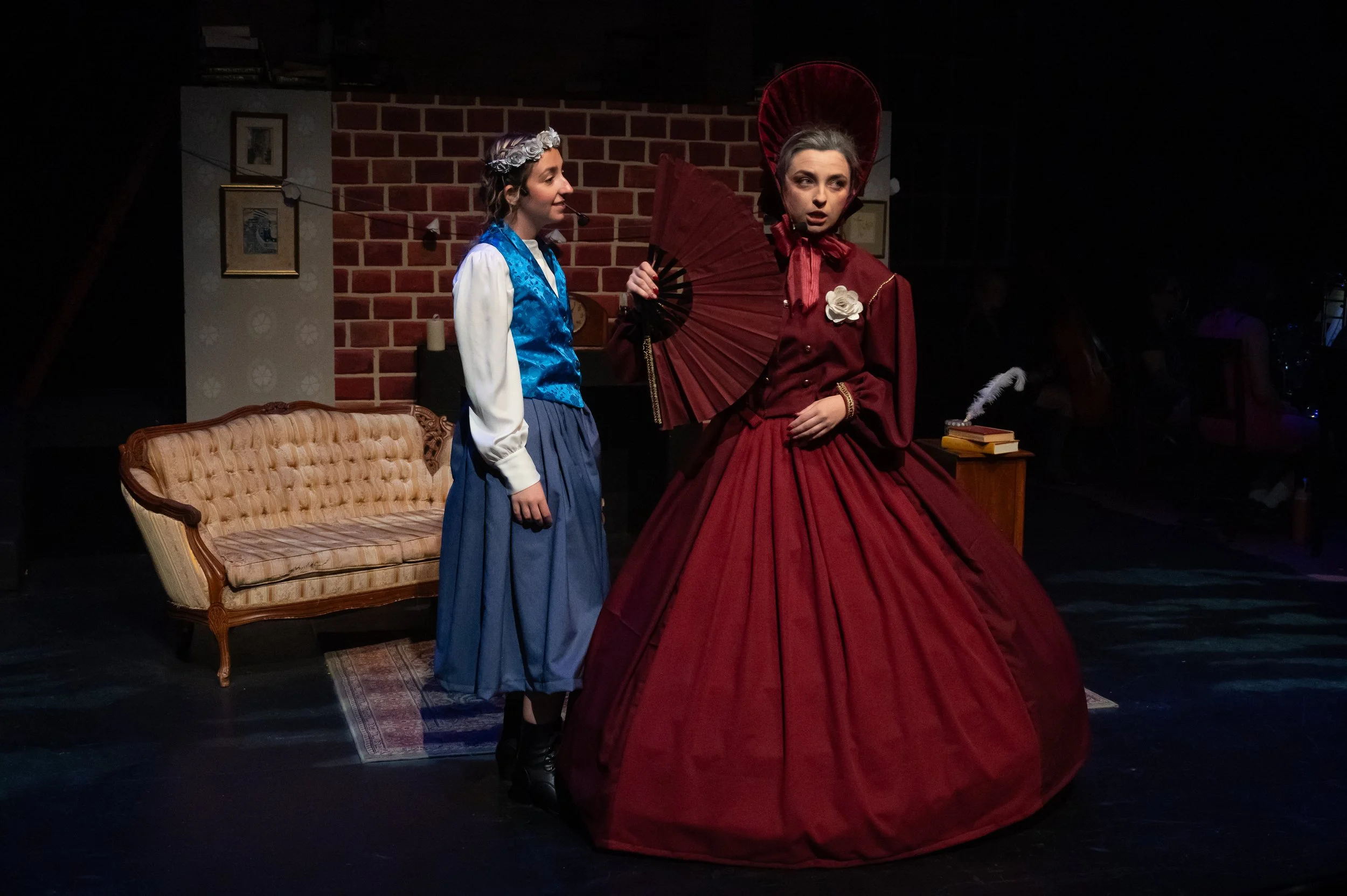
She tells me about her recent work as director on Starcatcher Productions’s Little Women as an example. “It was a really, really wonderful process. We had maybe two or three hiccups all summer that got resolved very quickly. I think it’s in big part due to the trust I had in the rest of my team, we were able to collaborate well and work closely.” Mona laughs, then adds, “It probably helped that we were mostly women, I think there were less than ten guys involved in the whole thing.”
Keeping these strong social relationships alive even while working together is something that sets theatre and the arts apart from other fields. The importance of teamwork cannot be overemphasised when it comes to the creative sector. Collaboration is the bread and butter of creativity; everyone who works in the arts shares the same passion and drive that allows them to work best together.
“The intersection of art and community is everything,” Mona says in agreement. “Community is how we stay alive, right? And I think the best way to engage in community is through the arts.”
“I think every single person in the world has the potential of having an artistic hobby, whether it's as a consumer, or a creator, or an organizer… Even people who aren’t as good at the creative stuff have a role to play in the industry,” she continues. “Community-led art organizations are at the frontier of keeping third spaces alive for everyone.”
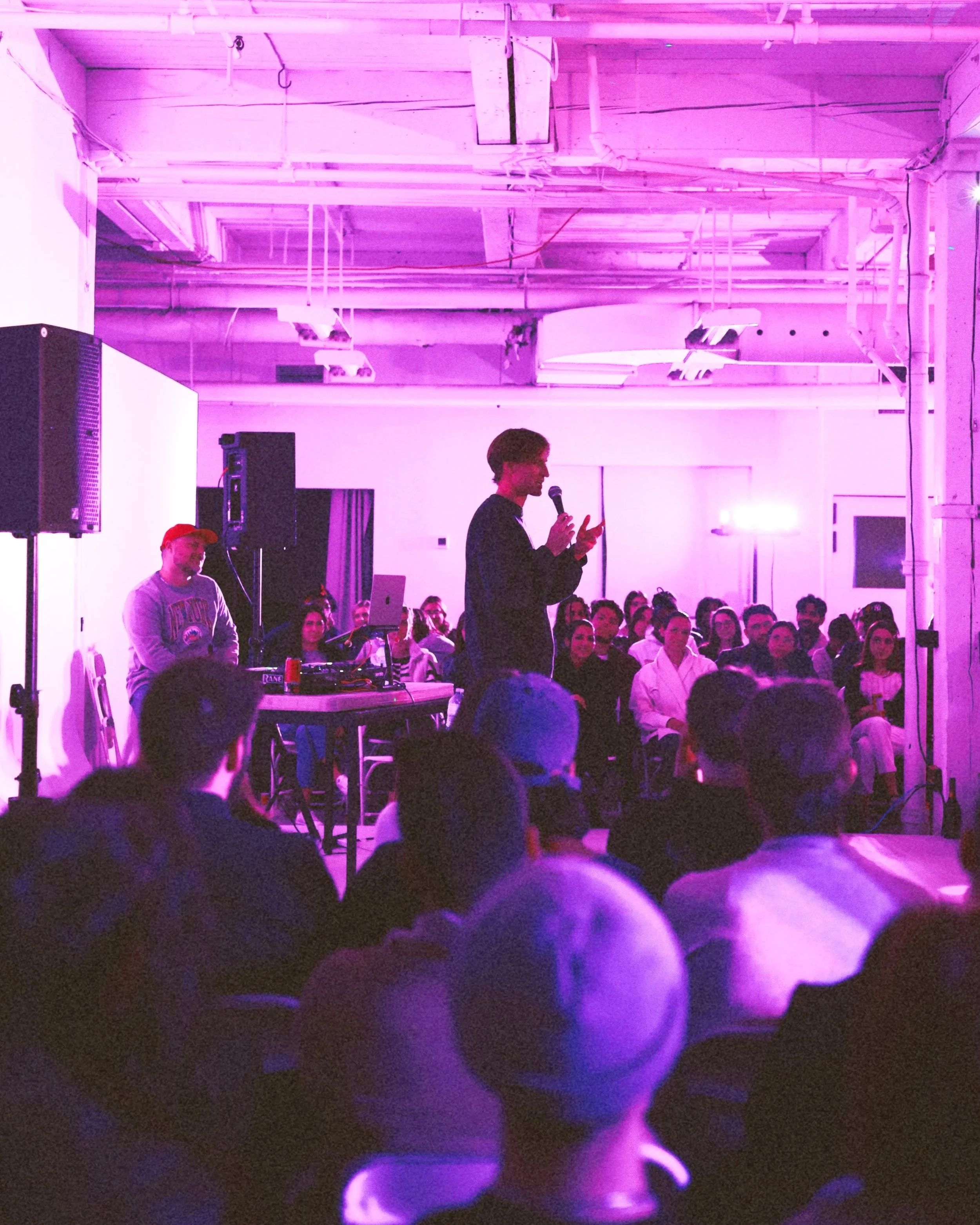
Kickback Comedy Party
Mona tells me about the work she did with Reel Canada, where she conducted outreach to help make Canadian film more accessible to youth in the country. “Reel Canada does a lot of events at schools, which I love. My school didn’t offer any free extracurricular activities, so I could only choose one thing [...] and I didn’t get exposed to theatre until CEGEP, which is a shame. I think it’s so important for people in the industry to put out their hands for people to take.”
As we discuss the importance of uplifting local communities and the role that non-profits play in building community, I’m curious to know what Mona’s experience has been working in both profit and not-for-profit organizations. The conversation about the lack of arts funding in Canada is a long-running one, of course, but she directs my attention to something that brings more hope.
“It was really wonderful to see that the bigger, for-profit organizations are still just people doing the best they can with the resources they have,” she says. “There’s still so much passion even on the larger scale, and everyone I’ve worked with has very much been a fan of the industry they’re in. Everyone is in it because they love it.”
When the conversation turns towards specifically cultural communities and reconnecting with one’s roots, Mona has a big smile on her face as she tells me about her experience with the Toronto Arab Film Festival (TAFF) and The Mosquers Film Festival. “It’s been especially lovely to work in Arab spaces, and immediately feeling a sense of community even if I don’t know them yet. All of us recognise how hard it is to be from our community in this industry, and everyone is so willing to help each other out.”
Mona is back on the screening committee for TAFF this year, which she says is something she wants to hold onto for as long as she can. After spending so many years working for massive organisations like the Toronto International Film Festival and Just For Laughs, she wanted to try and get involved in more local productions that she could have a bigger say in. She’s also serving as a producer for several comedy show series in Montreal, including Kickback Comedy Party and Don’t Tell. Her most recent project is founding a new theatre company with Lamia Karam, called Chameleon Theatre, intended to be a space for transformation and exploration.
Throughout all her work, there is a clear sense that Mona always wants what is best for her community. She strongly believes in the power of collaboration and building meaningful relationships with other creatives as the best way to get work done in the sector. While there are sometimes logistical barriers that can keep this from happening—such as a lack of financial resources or simply being in different locations—Mona is determined to bring people together.
“I really want to be a connector between Canada and the U.S.,” she says earnestly. “Montreal, Toronto, and New York are all cities that I love and am very familiar with. If I’m able to bridge the physical gap between them, and bring together artists from both countries, we could make something great together. I want there to be less of a harsh line in community in the arts.”
Earlier in our conversation, I’d asked Mona if she had any hopes or long-term goals for what she wants to see in the entertainment industry. She needed some time to think about it. Now, she smiles ruefully and confesses, “I just want everything to be easier. I want people to be able to focus on what they love.”
