
The Sound of Sustainability
Studio Verville’s Mission to Democratize Music Recording
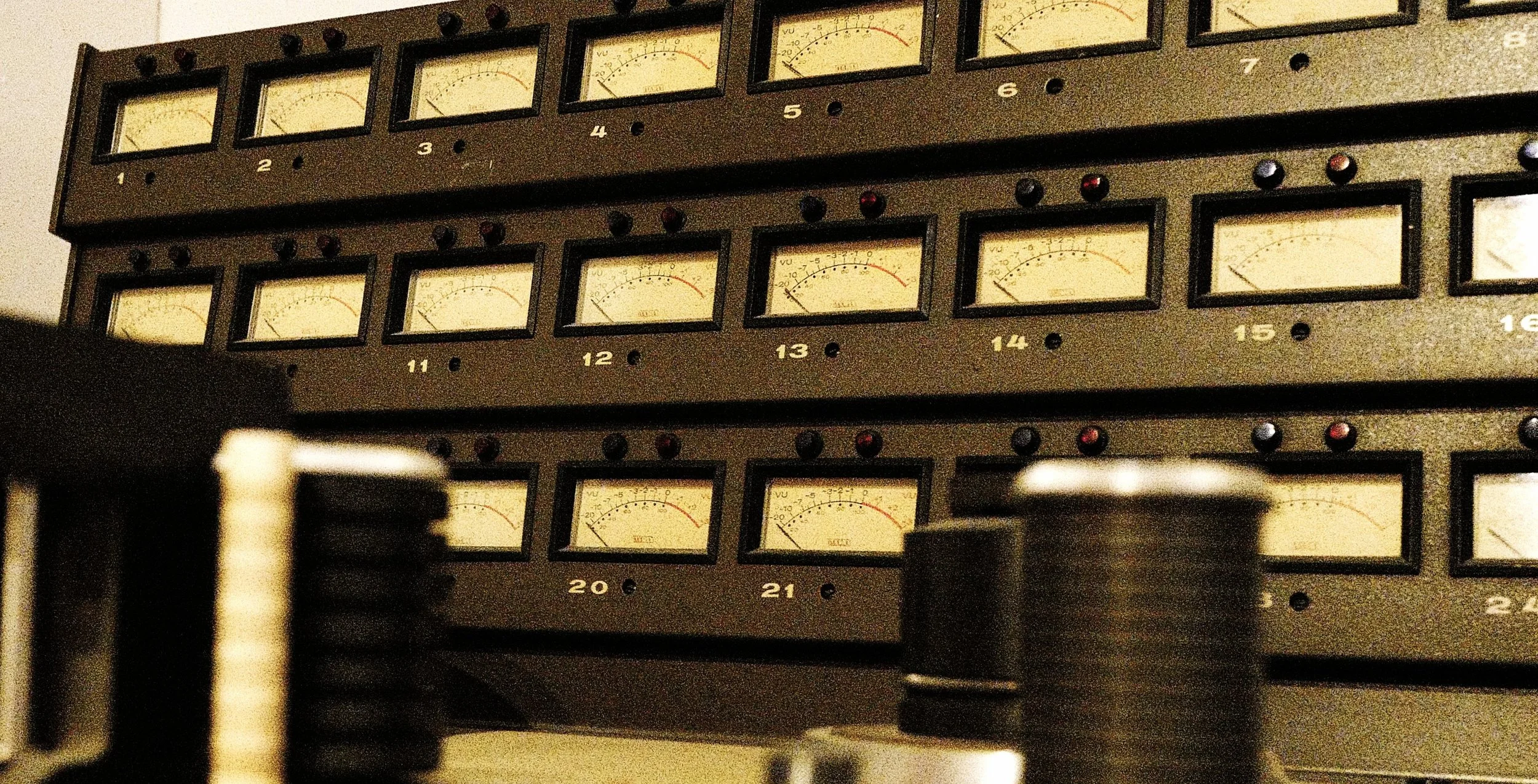
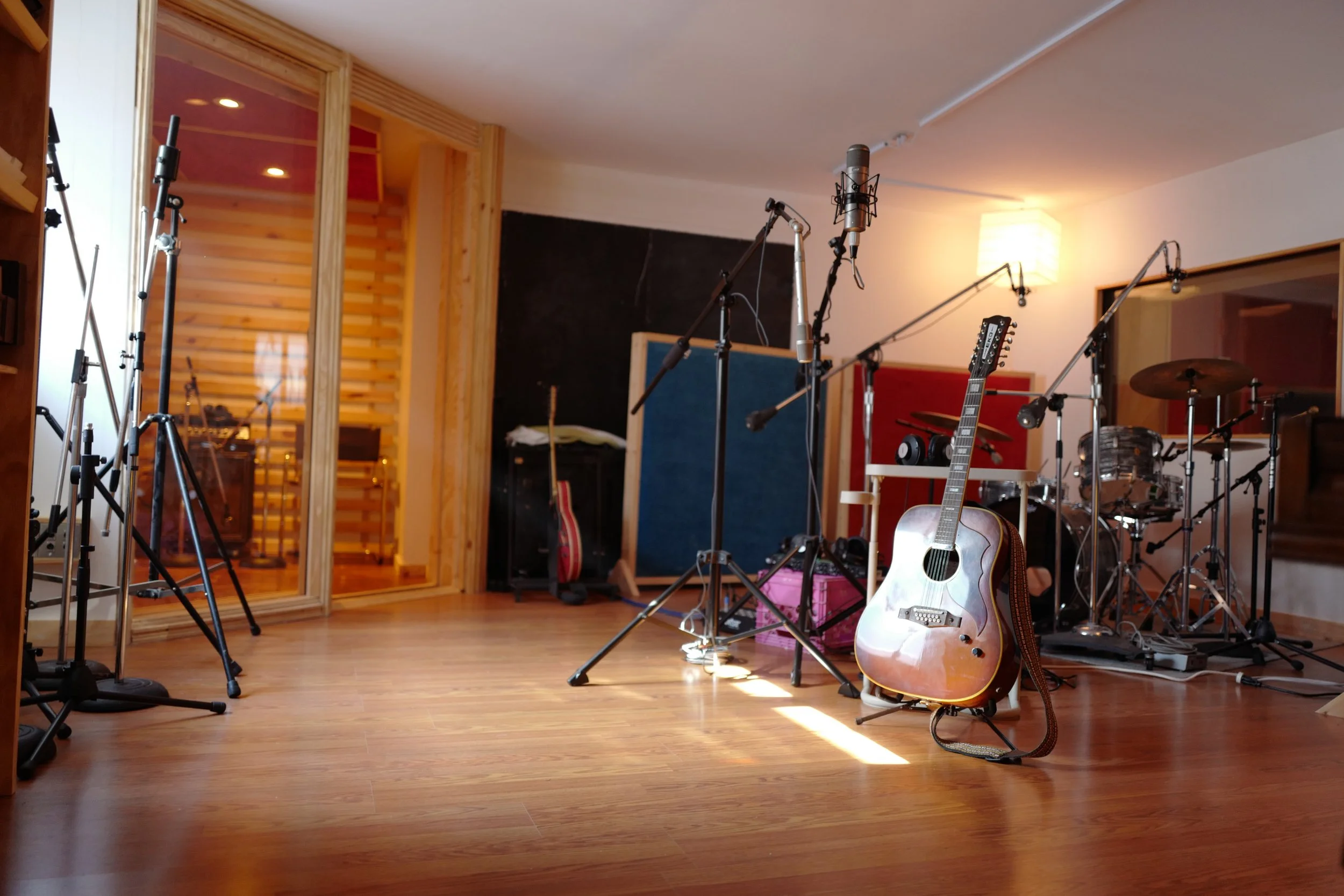
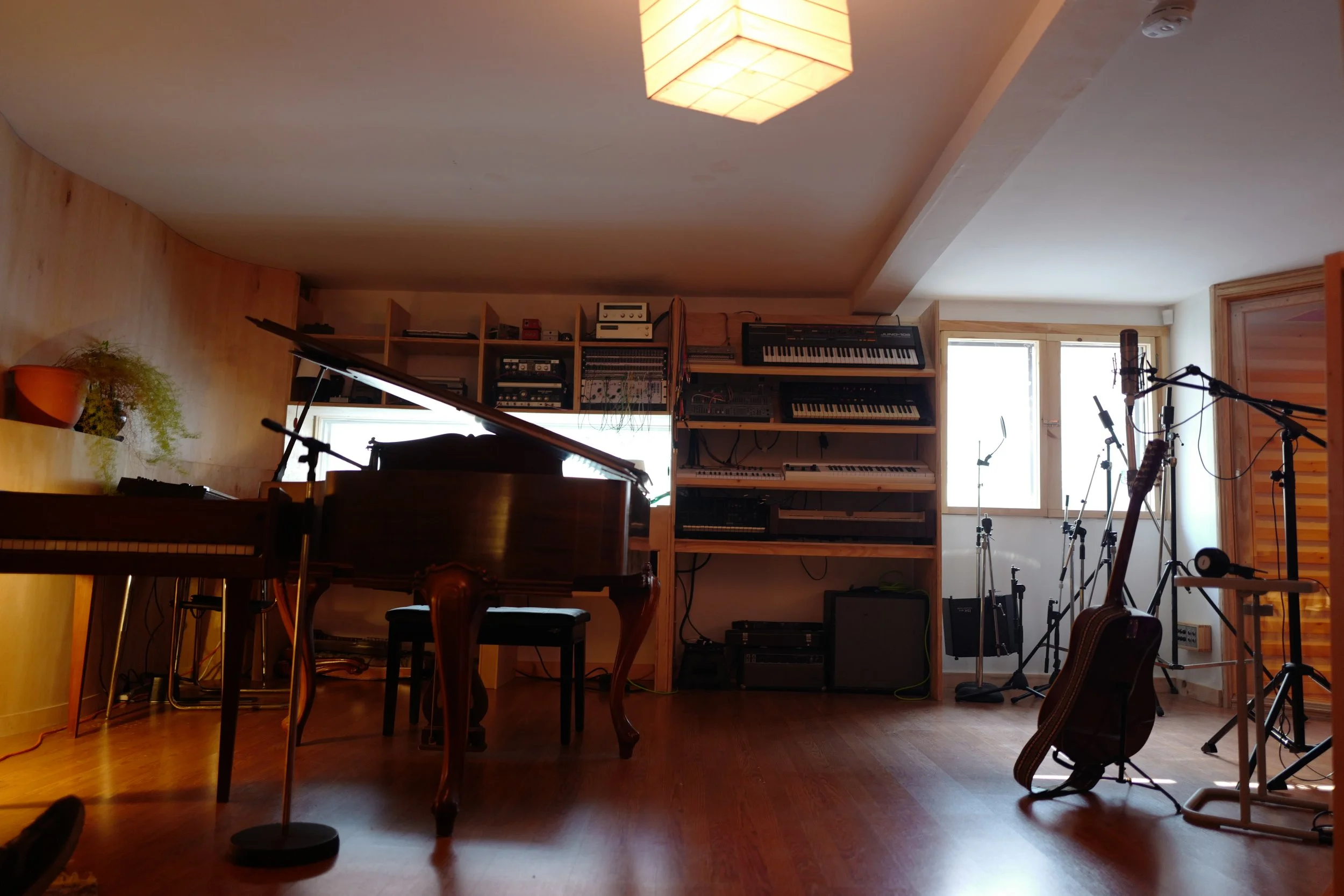
Studio Verville is a recording studio for music nerds, by music nerds. It’s a studio that blends the old (analogue) with the new (digital). The pictures provided on their website don’t do justice to how beautiful and welcoming the recording booth is. When you first enter, you walk by a grey sofa with a crocheted comforter made for relaxing in between takes. There’s a grand piano in the middle of the room facing a drum set that can be customized to anyone’s needs. Behind the piano, a wall of synths is displayed, ready to be used. Even the ISO (a.k.a isolation) room is filled with a variety of mics. All an artist needs to do is show up prepared with an idea to develop.
Claire Loewen, Lucas Glickman, and Nico Gaudreault created the studio with several goals in mind, the first one being accessibility. Montreal is full of small artists who are looking for a place to record as many studios continue to be shut down due to noise complaints. Studio Verville offers studio time on a budget in a professional setting. The recording booth has been perfectly soundproofed through 3D mapping. This was done with the help of their friend and architect, Grisha. He used pulses to see how sound bounced off the walls and floors, then designed the space, leading to the room having a gorgeous wavy wood paneling.
Their second goal is sustainability. Not just in terms of environmental impact, but also when it comes to long-term planning. They’ve put in a lot of care into what to put inside the studio so any artist can get the most out of their allotted time. The space can also be adapted to what anybody would need. As a matter of fact, artists are even encouraged to DIY the space as needed.
“We wanted it to be a community oriented space,” Claire said.
“We’re all about democratisation more of the process. If you go to any studio, sometimes, you need to hire one or two engineers or even an assistant engineer. But, here, we’ve thought of intuitive type stuff. So, when you see it, it’s like ‘oh sick!’ You’re having fun and you don’t have to wait an hour,” Nico added.
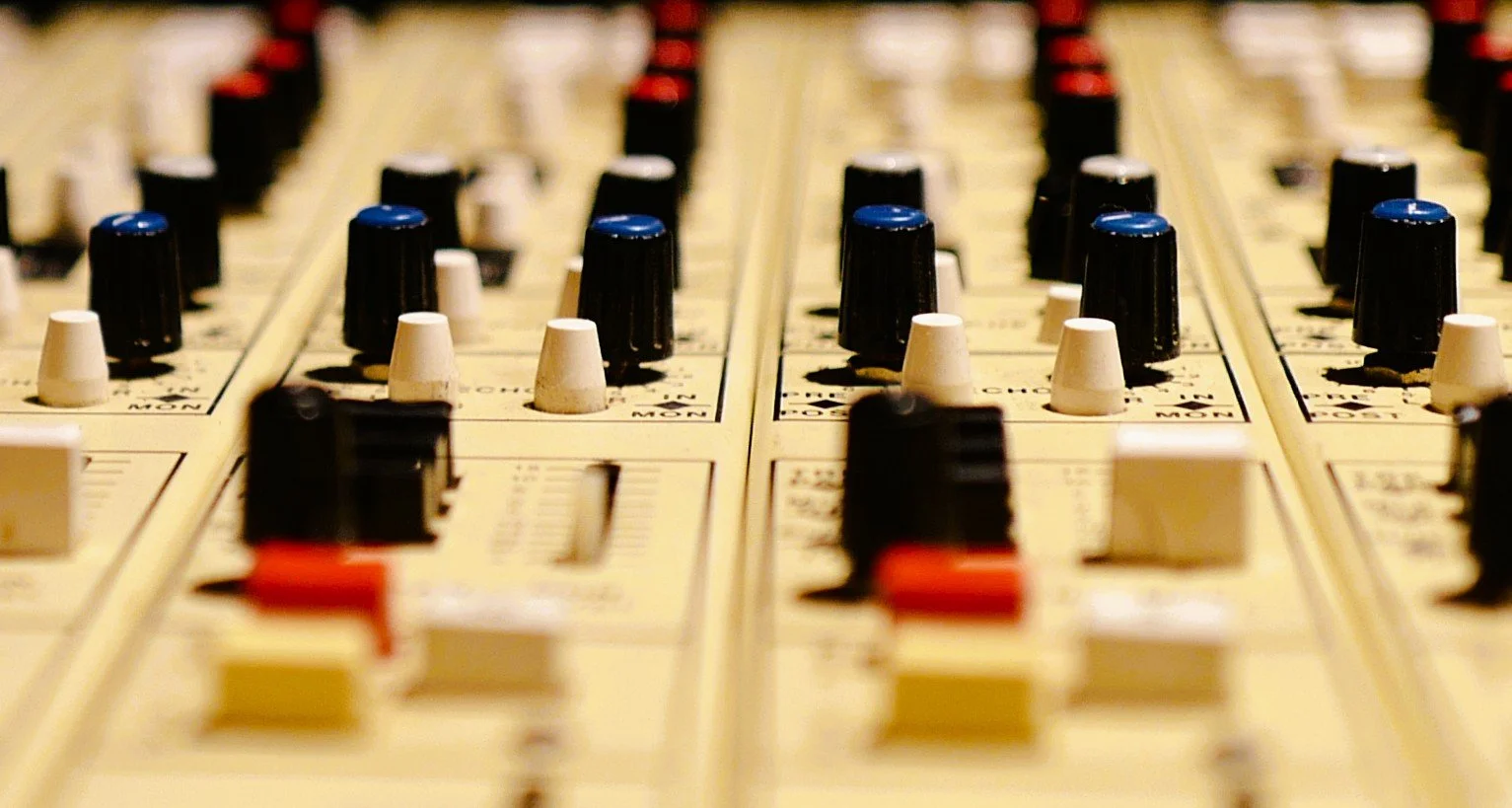
The studio isn’t just open to musicians. If anyone is looking for somewhere to record audiobooks, podcasts, sound effects, etc., they are welcome to book an appointment. Then, they can use the engineering room to edit their work. You also have the option to record your audio on tape and then transform them into digital media. Lukas and Nico are currently working on finishing the mixing console that they have been working on for the last two years. It’s an enduring effort to help create unique sounds and music in a world that continues to flatten.
The idea for Studio Verville started with the trio’s passion for music. Lukas and Nico were in a band together, while Claire was also in a band with Nico’s partner. For several years, they’ve wanted to open their own studio unlike any other in Montreal. Lukas has several years of experience building other studios under his belt; most notably, he helped build several acoustic studios in Australia before returning to Montreal. In 2017, the three of them decided to make their dream a reality. For the next two years, Lukas would ride his bike around the neighborhood looking for a place to rent until the space went up on the market. This was a stroke of luck, as the area has since been chosen by Projet Montreal to be transformed from an industrial area to an artist hub. They started renovations with the help of their friends, many of whom are carpenters. The studio has been 100% self-funded. In fact, they all still work at their day jobs while juggling Studio Verville.
Sadly, Covid slowed their project almost to a halt. In the meantime, they used the studio for their own projects and invited artists like Adam Basanta and Samantha Hyndes to use the space as an artist collective. Studio Verville officially opened in January of 2025. So far, they’ve seen a lot of success.
“There were moments where I thought ‘are we actually gonna do this?’ and we stuck it out and rode those emotions together,” Claire told me.
“It’s kind of like a Fitzcarraldo scenario where you’re trying to build an opera house in the middle of the jungle. That’s how it kind of felt sometimes,” Lucas added.
They sourced many of their equipment from a variety of places, from auctions and sifting through online markets to garage sales–some of their equipment was even found on sidewalks. The wood paneling in the ISO room came from the same music studio that The Cars recorded some of their biggest hits. They wouldn’t share all their secrets with me, but they did say that they have done many unorthodox things to find rare items. To them, the studio is still a work in progress. Despite past experiences, they’ve found themselves looking up YouTube tutorials.
“If you have a lot of money, you just go and buy a lot of equipment and if it breaks, you can pay someone to fix it. For us, that’s not our situation.” Lukas told me. “We can’t afford to pay a lot of money, so what we do is we buy broken stuff and then we fix it or modify it to what we want it to do.”
The needs of Studio Verville continue to shift as they grow, and the team’s roles shift with them. Nico has his hands in a variety of pots when he’s not working as a sound engineer along with Lukas, he’s a travelling musician and has started his own record label, Crochet Disques. Claire is currently getting her masters at McGill as well as working on the studios’s marketing, queries, and social media presence.

The studio is currently working on collaborating with several groups. They’re working with the city of Montreal to provide schools with the opportunity to use the studio for free. This is part of a larger goal to ultimately have a third of the studio’s time used for charity work. The city connects them with underfunded schools to provide them a chance to have a musical education, especially if their music course has been removed. Their first collaboration is with a school of disabled kids in the Chabanel area. Their teacher is, as of the time of writing, rehearsing music with the students ahead of their allotted time.
“If you give back to society, inevitably society will give back to you. So, that’s another cycle that we’re aware of. So, we definitely want to be mindful of that and be like ‘if we are willing to help someone in need, then that will definitely inspire someone to check out the studio.’ Instead of a studio that operates solely as a business,” Lukas said.
They’ve also collaborated with a handful of groups and organizers. They’ve opened up the studio to bands who want to record live sessions, like Vundabar. This session was also in collaboration with their good friends at Good Shows, a promotional company. They have a group from Europe coming to record at the studio very soon, and have worked with POP Montreal for a live studio session with Reymour.
For those of you who have spent your life making music from your bedroom and are nervous about entering a professional setting, the trio had this advice to give: come with an open mind, be prepared and always take yourself seriously. You never know how the world opens up to you when you take a chance. Lukas and Nico are always open to show new and aspiring engineers the ropes.
Learn more about Studio Verville by checking out their website, or by following their Instagram.
If you’re reading Forget The Box, you’re a supporter of free, independent arts coverage. We ask you to take a moment to consider donating $1 to help us continue our mission to spotlight ground level, underground, and marginalized art in Montreal. Every little bit helps.
