
The Art of Housing Activism
A Review of Norman Nawrocki’s Squat The City!

Squat The City! How to Use the Arts for Housing Injustice by Norman Nawrocki is not a book that can be easily categorized. It’s not just a how-to book where each chapter outlines step-by-step instructions. It’s not just an autobiographical book where we follow the author through key moments of their life explaining how they persevered through tough times, nor is it a self-help book filled to the brim with pep talks. It’s all of these things, because it’s meant to inspire artists to help and get proactive within their community.
You won’t find any chapters in this book at all. This book is a series of vignettes intertwined with lyrics, plays, images, etc. that are separated into three parts: the what, the how, and the why of the housing crisis. It has more in common with the zines of the 90s that you would be handed out at a punk rock concert than with anything in mainstream publishing. This was very intentional. The author, Norman Nawrocki (writer, musician, and activist), had originally intended for Squat The City to be a zine for a housing conference a year ago. As he kept writing, the zine got longer and longer, until he had a book.
This book does a great job at making activism accessible to all. It doesn’t use any big words like “petit-bourgoes” that might make people feel uneducated, nor does it ostracize anybody for having never read Marx or any theory. Instead, it’s straight forward with its message, creating an easy read. It succeeds in its aim to inspire those who want to see change within their community, but don’t know where to start. The length of the book is also perfect for those not in the habit of reading 100 books a year. It’s for people who are tired of feeling like their votes don’t matter. This book says, “Here’s some alternatives; hope this helps.”
Part one of Squat The City starts off with a manifesto/call to action. I found this strange, since this is typically found either in the final chapter or weaved in throughout a book to wrap up an idea. It gives us a glimpse into what this book will entail. Nawrocki calls for artists to use their skills to help their community in any way they know how; whether it be by making posters or writing music. Art doesn’t have to be just about an artist’s personal views; it can be used to enact change. He also implores community organizers to reach out to local artists to help spread their message. He explains how these two groups can benefit from each other in the long run. It’s a short section that does a great job of getting people energized to read the rest of the book.
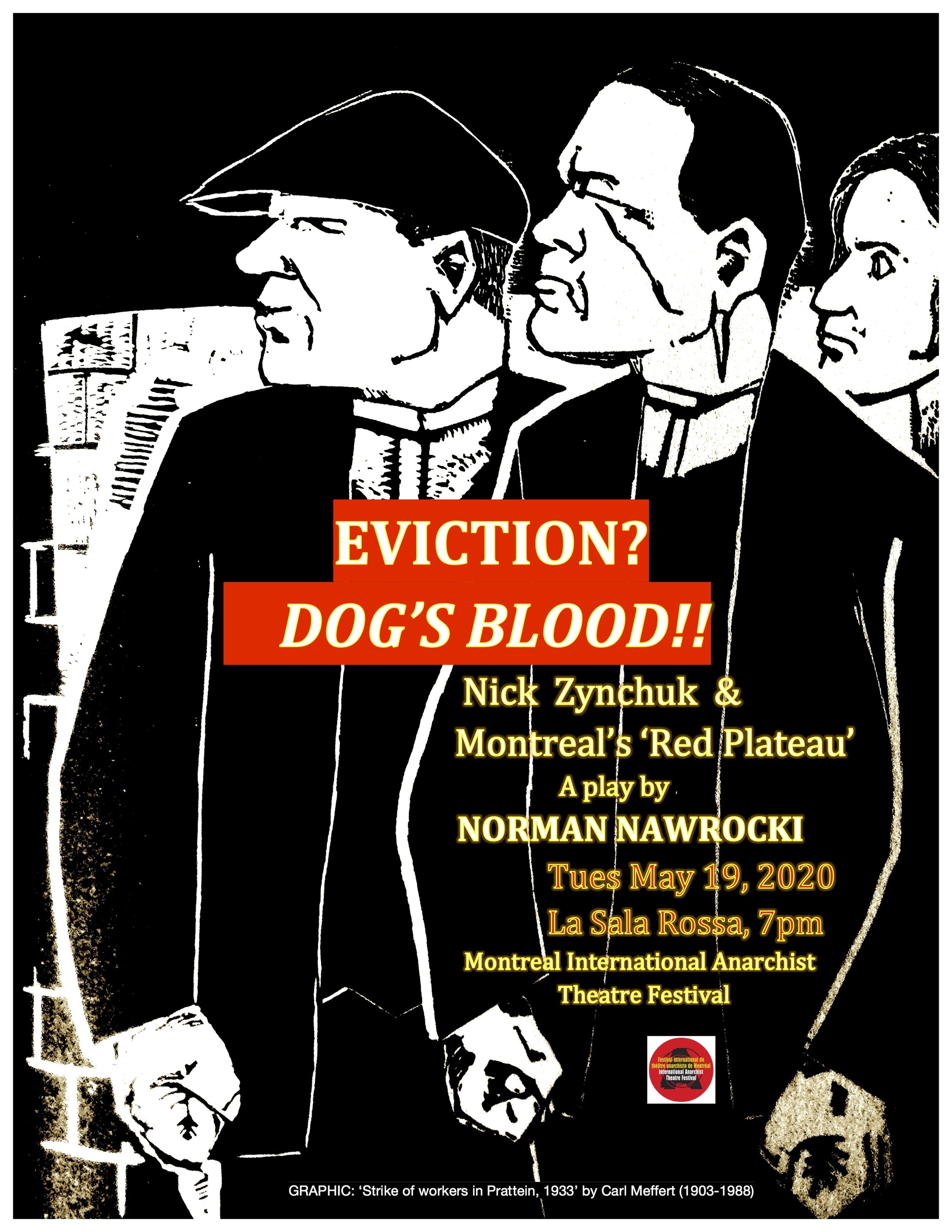
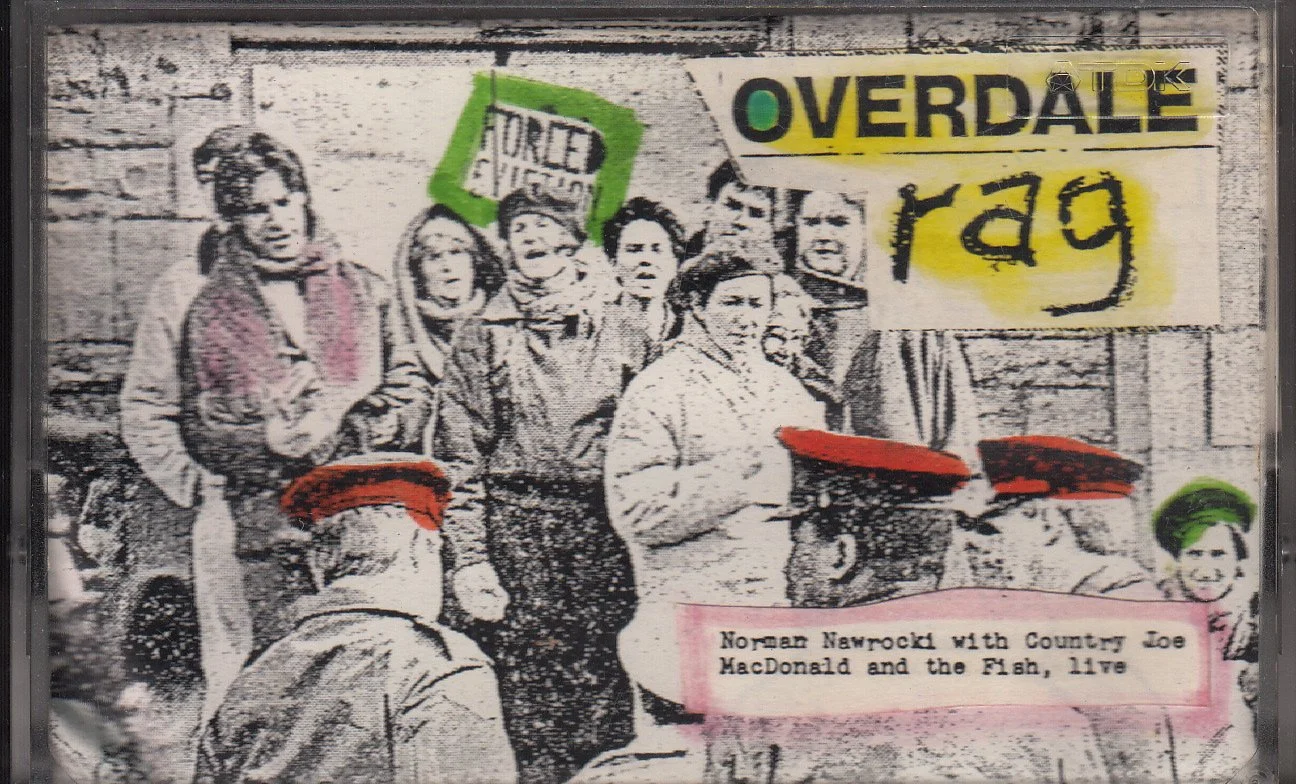
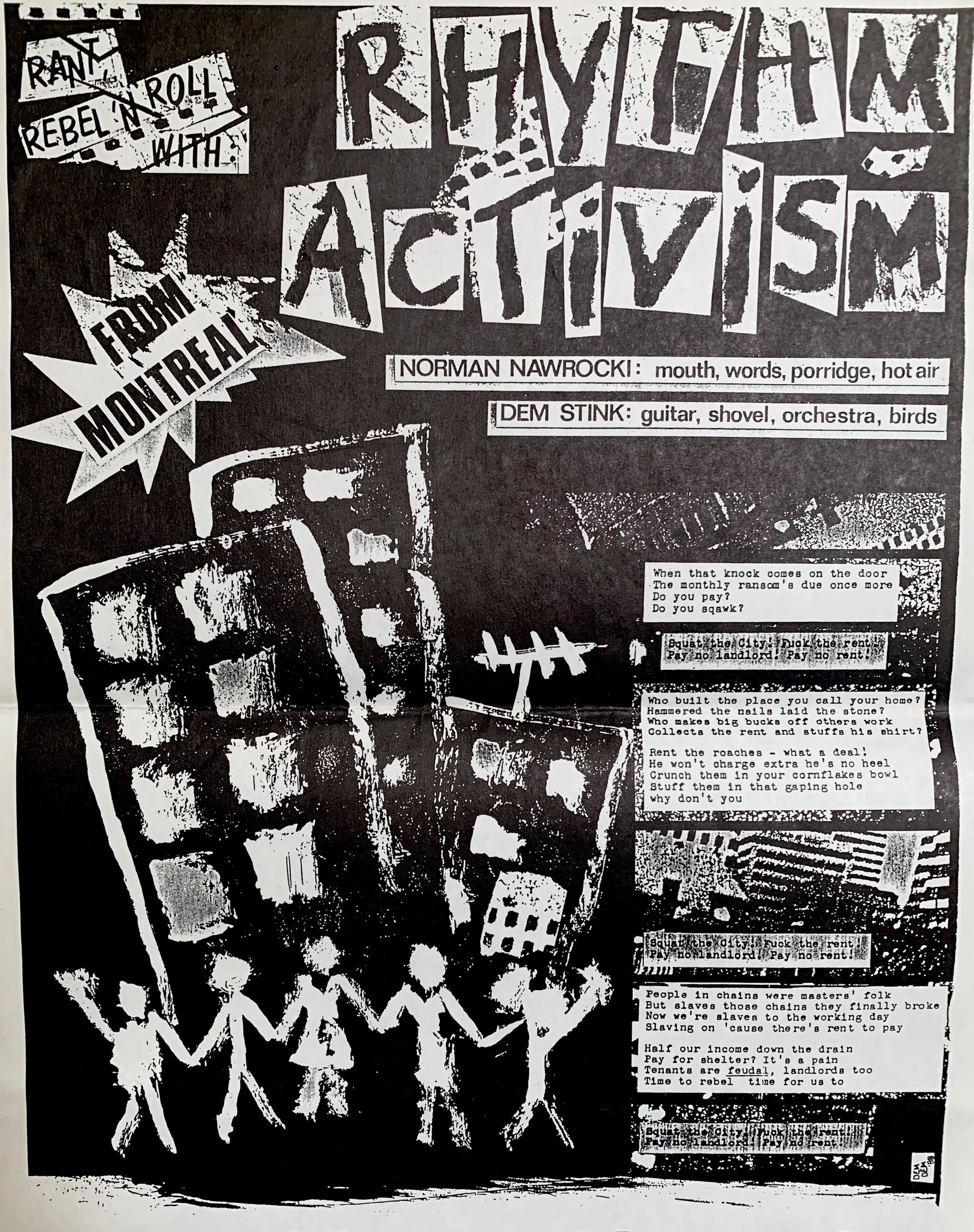
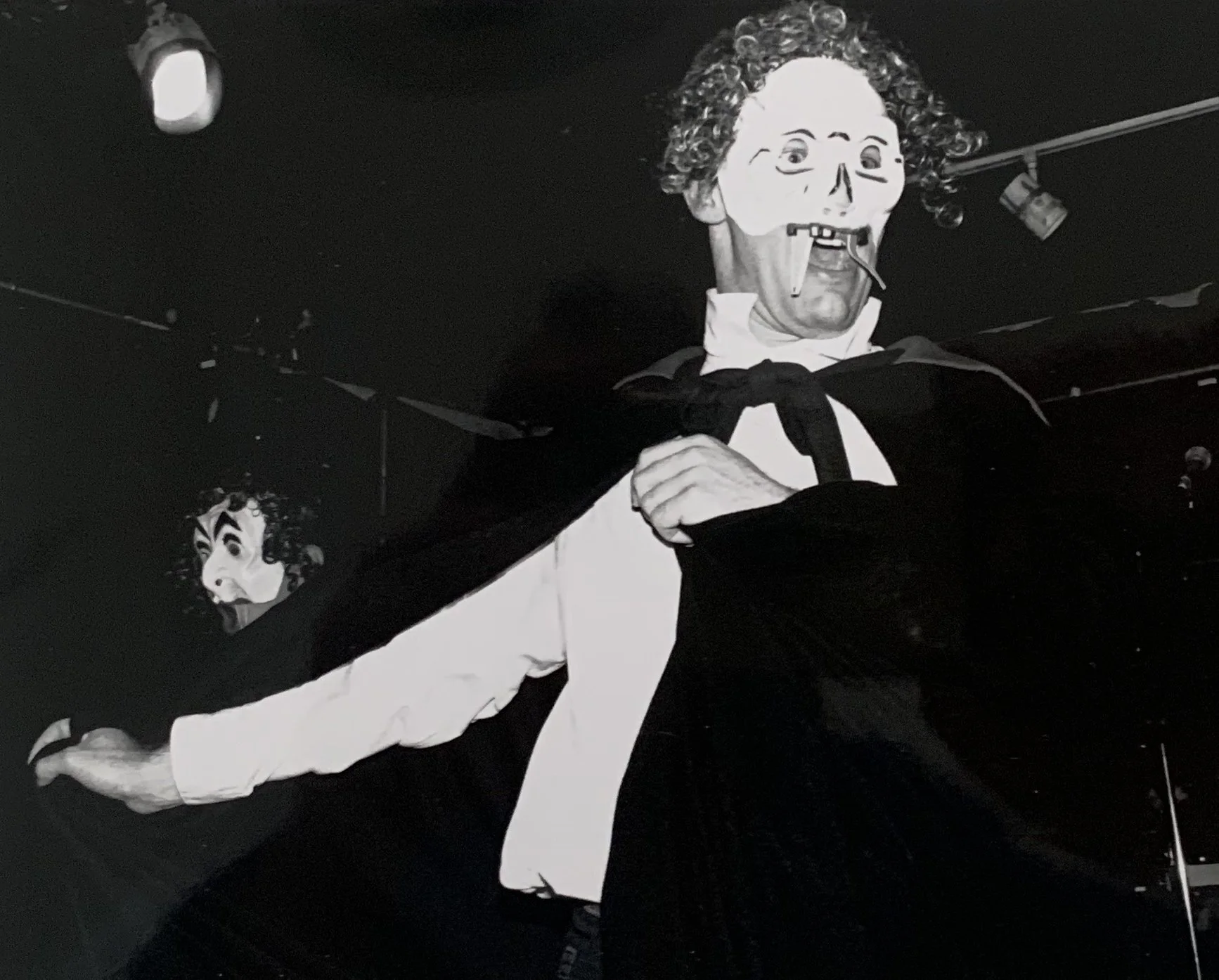
Part two not only explores Nawrocki’s history fighting for tenants rights through his art, but also the stories of people in and around Montreal creating change through collaboration. From his plays with Rhythm Activism to the people of Overdale, there are dozens of concrete examples of people coming together to help one another. Each story demonstrates the positive changes that can and has happened to make housing affordable for the working class. The examples might be decades old, but they are still relevant.
This book is brimming with a sort of optimism and catharsis that I haven’t heard from leftists in a long time; especially when it comes to the housing crisis. There’s a pervasive idea (amongst artists and non-artists alike) that artists must suffer to make good art. “Artists care more about creating than making money,” they say. The book never shames artists for wanting to get paid for their work. Instead, they’re encouraged to do both. To get out there and make art that touches the masses; not just institutions. It’s relieving to read someone call out landlords for their predatory behaviours while also offering a solution instead of listing problems that working class folks are already aware of.
Nawrocki also provides an important historical record of tenants rights in Montreal. It’s easy to throw up your hands and feel helpless when the first of the month arrives, because it seems that things have always been this way. Squat The City proves that people have resisted in the past and won against systems bigger than them. By making art accessible to everybody, artists can make both big, and little, changes in their community.
“If you want to copy my old work, sure, if that will inspire you. If you want to do a variation of it, then yeah, go and do that, because all our work is connected. The words you write go all the way back thousands of years. [...] If people copy my work, I take it as a compliment. Take it, copy if you need to, but create your own work based on that, because you have your own voice,” Norman told me.
Part three explores why the book was written and lists other ways artists can support their communities. Contrary to popular belief, artists are people too. Fighting amongst the lower class makes it easy to forget that housing issues affect everyone. So, the book taking its time to empathize with how isolating making art can be really reinforces the overall message of the book. Using your art to help others keeps away the nihilism that is all too common within creatives.
Squat The City is a book that has arrived in the knick of time. Montreal is experiencing a great deal of gentrification spearheaded by our own government. At a time when rent is higher than ever (and continuing to rise), everyone is trying to budget their way out of an economic crisis. However, there’s only so much cutting back on activities and eating out that can be done before people are forced to choose between food and rent. Even if you’re not an artist, this book can still inspire you to get involved within your own community. As Nawrocki told me: “A creative approach to the problem will help us reach more people, help inspire more people, and help advance the movement.” Helping each other is the only way we’re going to make it out
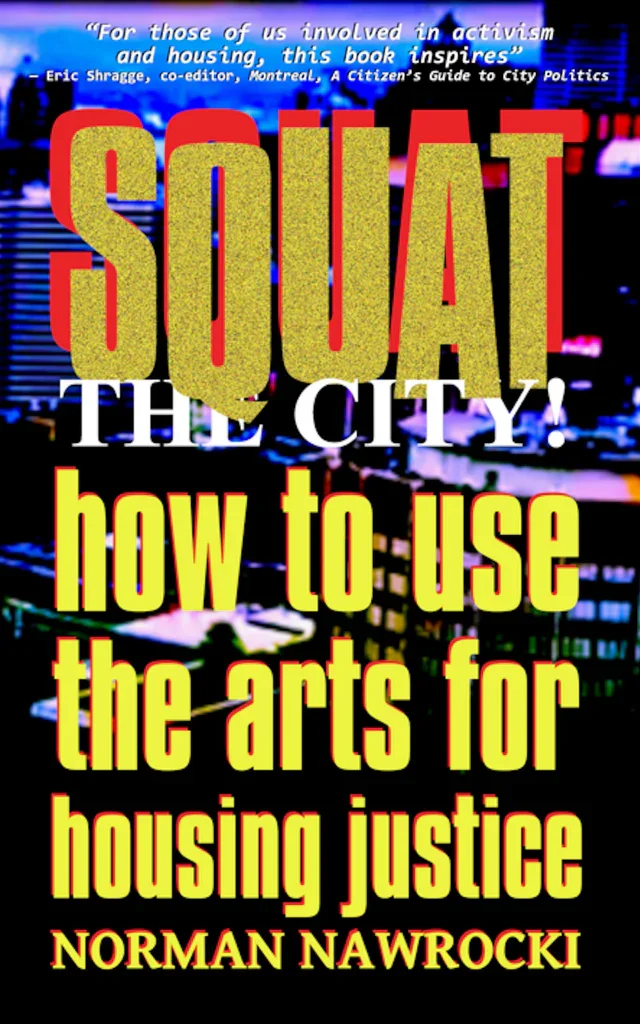
Get your copy of Squat The City!, from Kersplebedeb Publications, today!
Available at LeftWingBooks
If you’re reading Forget The Box, you’re a supporter of free, independent arts coverage. We ask you to take a moment to consider donating $1 to help us continue our mission to spotlight ground level, underground, and marginalized art in Montreal. Every little bit helps.
